A Guide to the Japanese Whisky Highball
The highball is the most refreshing drink in the whisky canon, and the Japanese have turned its simplicity into a discipline of ice, temperature and bubbles.
 By Renée Tan
1 September 2026 · 6 min read
By Renée Tan
1 September 2026 · 6 min read
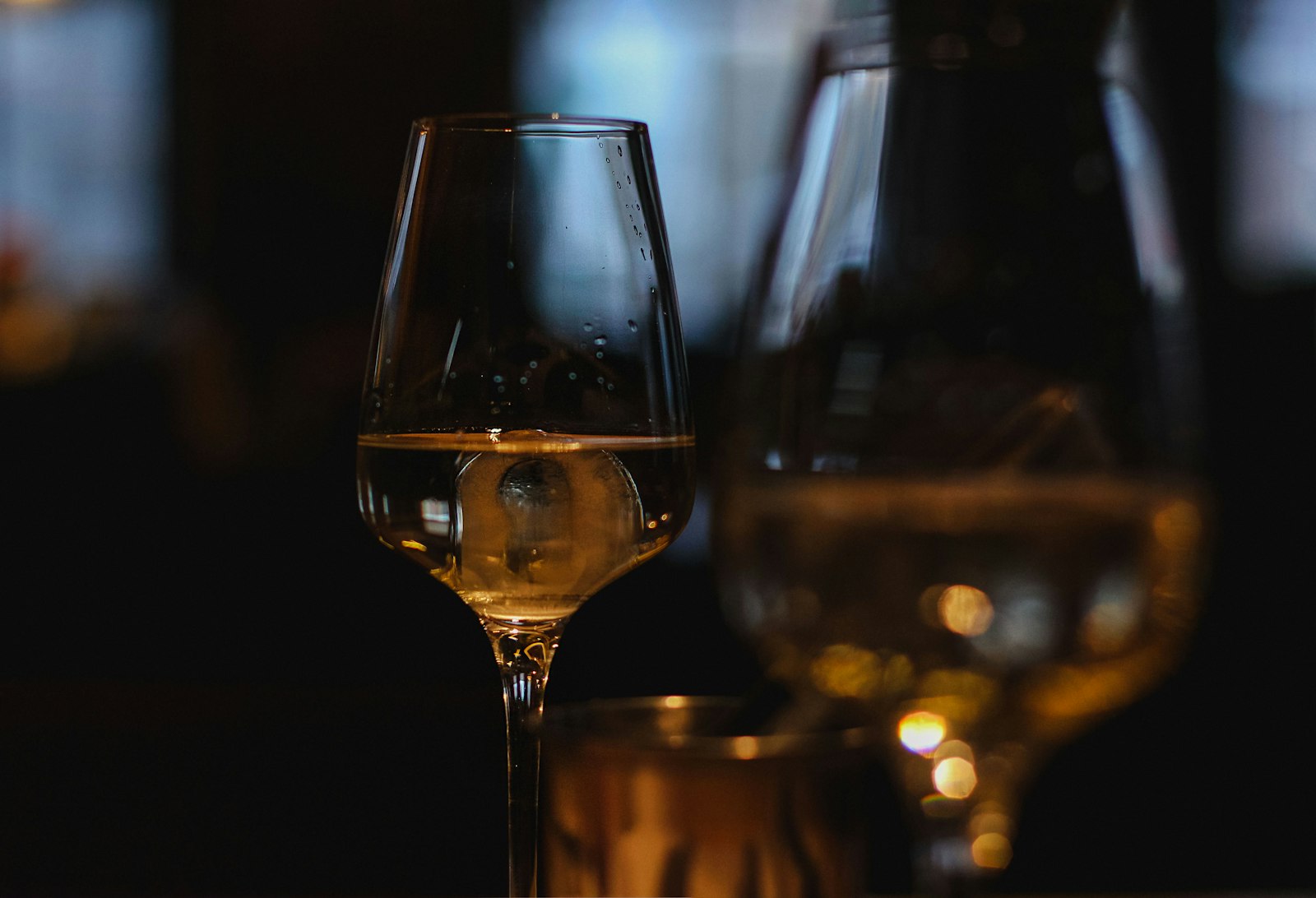
There is a particular sound that opens the evening in a good Tokyo bar: the crisp hiss of soda meeting whisky over a spear of clear ice, followed by a single, careful stir. The Japanese highball, the highball, is on the face of it the simplest drink imaginable, whisky and soda water in a tall glass. Yet the Japanese have spent decades turning that simplicity into something close to a discipline, and understanding how they do it changes the way you drink whisky forever.
The genius of the highball is that it makes whisky refreshing. Served long, cold and lightly carbonated, it strips away the heaviness that can make neat spirits hard work in a warm climate, releasing aroma and flavour while keeping everything crisp. In humid Singapore evenings it is, frankly, a more sensible drink than a heavy pour of anything, which is part of why the format has travelled so well.
The Obsession with Ice
Ask a Japanese bartender what makes a highball and the first answer is almost never the whisky. It is the ice. Large, dense, slow-melting ice, ideally a single hand-cut spear or a big clear cube, chills the drink without watering it down. Cloudy, hollow, fast-melting ice from a domestic freezer does the opposite, diluting the whisky before you have finished the glass. The best bars use ice carved from large blocks precisely because it is denser and clearer, and it shows.
The glass itself should be chilled, and the whisky too if you are serious, because every degree of warmth you introduce is a degree the ice has to fight, and fighting means melting, and melting means dilution. Cold ingredients, cold glass, cold ice: the whole method is a quiet war against unwanted water. That attention to temperature and craft is the same spirit we found in our wider look at the art of the highball.
How to Make One Properly
The technique is worth doing slowly and exactly, because the margins are small.
- Fill a chilled tall glass to the brim with good, hard ice. More ice, counterintuitively, keeps the drink colder and slows melting.
- Stir the ice briefly to chill the glass, then pour off any water that has formed.
- Add a single measure of whisky and stir again, this time to chill the spirit itself.
- Pour chilled soda gently down the side of the glass or over a bar spoon, to preserve as much carbonation as possible. A ratio of around one part whisky to three or four of soda is the classic starting point.
- Give it one slow, gentle lift with the bar spoon, a single stir from the bottom, and no more. Over-stirring knocks the bubbles out.
A twist of lemon is traditional and welcome, expressed over the top so its oils sit on the surface; some prefer a slice, others nothing at all. The point throughout is restraint. Every extra motion, every warm ingredient, every second of hesitation costs you crispness.
The highball punishes carelessness and rewards precision. It is the espresso of the whisky world: three ingredients, endless room to get it wrong, and quiet perfection when it goes right.
Choosing the Whisky
You do not need a rare bottle for a highball; in many ways you should not use one, because carbonation and dilution soften the finer details you paid for. A bright, approachable blended whisky with a clean profile is ideal, and Japanese blends were practically built for the format. That said, half the pleasure is experimenting, and a smoky single malt makes a startlingly good highball, its peat lifting through the bubbles. For a deeper sense of the category, our field guide to Japanese whisky is a useful companion, and if you want to sharpen your palate more generally, our guide to tasting whisky will serve you well.
The Ritual and the Setting
Part of what makes the highball special is the ceremony around it, the sense that something simple is being done with total care. You can bring that home. Invest in a decent ice mould or, better, a way to make clear ice; chill your glasses; keep good soda that is properly fizzy and cold. Done well, a highball at your own counter has much of the pleasure of a good bar, and it pairs beautifully with the kind of unhurried evening we champion in our piece on the neighbourhood wine bar.
The highball rewards a particular temperament: patient, precise, unbothered by the fact that the ingredients are humble. That is very much the outlook we bring to everything in our dining and drinks writing, the conviction that doing a simple thing exceptionally well is its own kind of luxury. Make one carefully tonight, and you will understand why an entire drinking culture has been built on so little.
Variations Worth Knowing
Once the basic method is second nature, the highball opens up to gentle variation. A dash of good bitters lends complexity and a faint bitterness that offsets the soda’s cleanness. A sprig of mint or a slice of fresh ginger, lightly pressed, gives an aromatic lift suited to a hot evening. Some bars finish the drink with a fine grating of yuzu or lemon zest rather than a twist, for perfume without acidity. And the choice of soda itself matters more than people expect: a harder, more aggressively carbonated water gives a livelier, more cutting drink than a soft, gently sparkling one.
None of these embellishments should overwhelm the essential character of the thing, which is whisky made long, cold and refreshing. The discipline that governs the classic pour governs the variations too: add little, add it carefully, and let the whisky and the bubbles remain the point. Approached this way, the highball becomes a small canvas for a drinker’s taste, endlessly adjustable yet always recognisably itself. It is the sort of drink you can make a hundred times and refine a hundred times, which is a large part of why it has become the quiet ritual that opens so many good evenings.
Renée has covered Singapore's restaurants for over a decade, with a soft spot for the kitchens most people walk past.