Why Aged Black Vinegar Belongs in Your Pantry
Malty, mellow and endlessly useful, aged black vinegar is the seasoning that turns a good dish into a memorable one. A case for keeping a proper bottle to hand.
 By Renée Tan
1 September 2026 · 6 min read
By Renée Tan
1 September 2026 · 6 min read
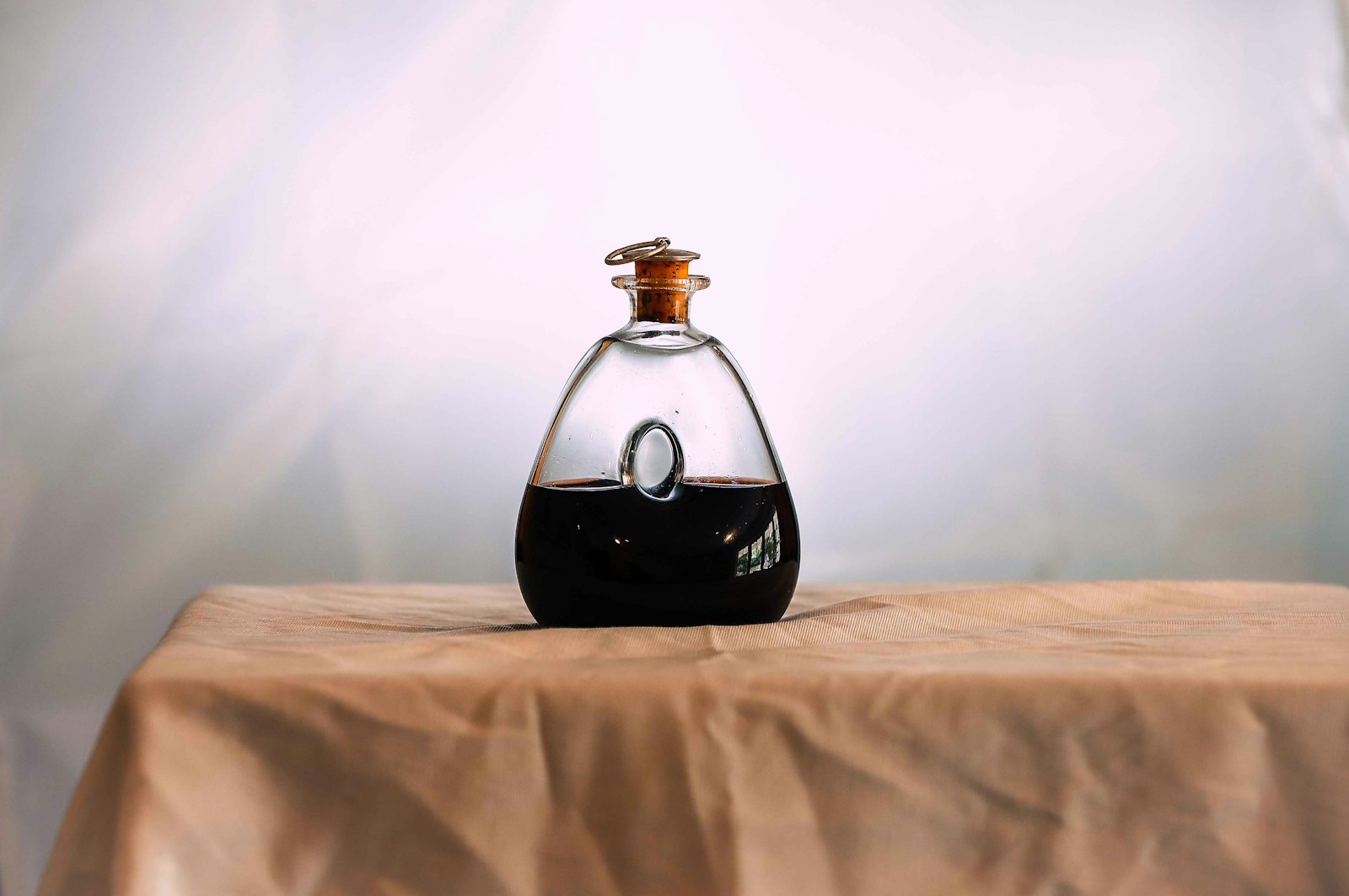
Every serious kitchen has a bottle that quietly does more work than its label suggests. In a Cantonese home it might be a good soy; in a Sichuanese one, a jar of chilli oil. But ask a Singaporean cook who has grown up between cuisines what they reach for most often, and a surprising number will point to a dark, sticky bottle of aged black vinegar — the seasoning that turns a plate of dumplings, a braise, or a bowl of noodles from good into memorable.
What aged black vinegar is
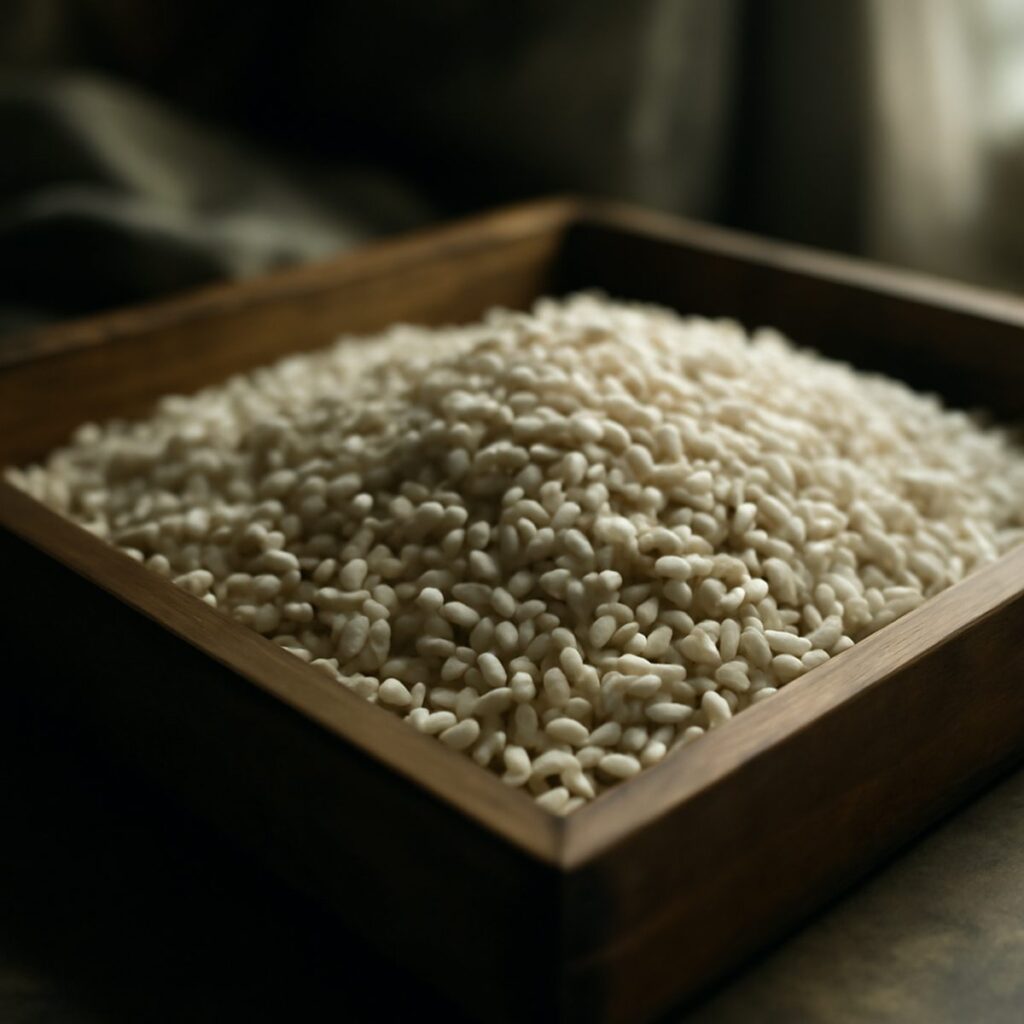
Black vinegar is not a single thing but a family. The most famous is Chinkiang, from Jiangsu province, made by fermenting glutinous rice with a starter culture and then ageing the liquid until it turns deep brown and faintly malty. Others use sorghum, wheat bran or millet, and the best examples are aged for months or even years in earthenware, developing a rounded, almost balsamic sweetness beneath the acidity. It is tart, yes, but never harsh — closer in spirit to a good sherry vinegar than to the sharp clear rice vinegars used for pickling.
That ageing is the whole point. A young vinegar is bright and one-dimensional; a properly matured one has layers — smoke, dried fruit, umami, a savoury depth that seasons as much as it sours. If you have ever wondered why a splash transforms a dish, that complexity is the answer. A similar slow transformation gives another dark ingredient its depth, as our piece on why black garlic belongs in your pantry explains. Italy has its own tradition of long-aged vinegar, and why aged balsamic belongs on more than salad shows how far that complexity can travel in the kitchen.
How it earns its place
The versatility is the argument. A single bottle covers an astonishing range of Chinkiang vinegar uses, and once it is in the cupboard you will find yourself reaching for it far more often than you expected.
- As a dipping sauce for dumplings and xiao long bao, cut with a little ginger.
- Stirred into a red-braised pork or a soy-braised dish in the last minutes, to lift the richness.
- Splashed over blanched greens or a cold cucumber salad for brightness.
- Added to a hot-and-sour soup, where it does half the work of the name.
What unites these is balance. Black vinegar seasons in two directions at once — it adds acidity to cut fat, and a savoury depth that behaves almost like a background note of stock. Cooks who think carefully about miso, soy and umami will recognise the same logic at work; it is a seasoning that makes other flavours taste more like themselves.
Choosing a good bottle
Not all black vinegar is created equal, and the supermarket shelf can mislead. Read the label the way you would read any other, and a few things become clear quickly.
A good black vinegar lists rice or sorghum, water and salt — and little else. If the first ingredients include caramel colour and acetic acid, you are buying an imitation of the real thing.
Look for a stated ageing period, a short ingredient list, and a colour that is genuinely dark rather than cola-bright. The texture should be very slightly viscous. It rewards the same scrutiny we give to other cornerstones of the store cupboard; anyone building a considered home pantry should treat a bottle of aged vinegar as essential rather than optional.
Where it sits among its cousins
Black vinegar is not a replacement for the clearer, cleaner rice vinegars, and knowing when to use which is part of cooking well. For quick pickles, dressings and sushi rice, the brighter styles are better; understanding how to choose and use rice vinegar is the natural companion piece to this one. And for those who have fallen for the mellow, aged style, there is a whole world to explore — the long, patient maturation of a serious aged balsamic vinegar follows much the same philosophy, wood and time doing the heavy lifting.
The pleasure of aged black vinegar is that it is both humble and transformative. It costs little, keeps almost indefinitely, and asks nothing of you beyond a willingness to reach for it. Keep one good bottle where you can see it, and a plate of plain blanched greens or a bowl of last night’s braise becomes something worth sitting down for. For more on the ingredients that quietly carry a kitchen, our Dining & Drinks pages make the case, again and again, for the small things done well.
A family of regional styles
To call it simply “black vinegar” undersells the variety. China alone has several celebrated styles, each shaped by local grain and custom. Chinkiang, from Jiangsu, is the most exported and the most versatile, made from glutinous rice and prized for its malty roundness. Shanxi aged vinegar, further north, is made from sorghum and other grains and tends to be drier, smokier and more assertive. In the south, sweeter, softer styles suit the delicate cooking of the region.
Japan has its own answer in kurozu, a black rice vinegar aged in outdoor earthenware jars under the sun, sometimes for years, until it turns dark and mellow. It is sipped as a tonic as often as it is cooked with, a reminder that these vinegars have long carried a reputation as much medicinal as culinary. Whether or not the health claims hold, the flavour alone justifies the shelf space.
Knowing the differences lets you cook with intent rather than habit. Reach for a rounded Chinkiang when you want gentle sweetness and depth, a fiercer Shanxi style when a dish needs a sharper savoury lift, a Japanese kurozu when you want something to sip or to finish a delicate broth. Keep two contrasting bottles and you have a surprisingly expressive range at your disposal, all from the same humble category. Once you start tasting them side by side, the idea that vinegar is a single, interchangeable thing quietly falls away for good.
There is a wider lesson in all of this about the value of the humble ingredient. We tend to lavish attention on the expensive and the rare — the aged steak, the fine wine — while ignoring the modest bottle that quietly does more to shape our cooking than any luxury. A good aged black vinegar is exactly such a thing: cheap, unglamorous and utterly transformative. Learning to reach for it, and to reach for the right one, is a small education in the truth that great cooking is built far more often on the careful use of ordinary things than on the occasional deployment of extraordinary ones.
Start with dumplings this weekend. A saucer of good black vinegar, a little shredded ginger, and you will understand why a Singapore kitchen is rarely without it.
Renée has covered Singapore's restaurants for over a decade, with a soft spot for the kitchens most people walk past.