
The Case for Cooking with Brown Butter
Beurre noisette asks for nothing but attention and a few extra minutes. In return it gives a nutty depth that lifts everything from fish to a plain biscuit.
 By Renée Tan
1 September 2026 · 6 min read
By Renée Tan
1 September 2026 · 6 min read
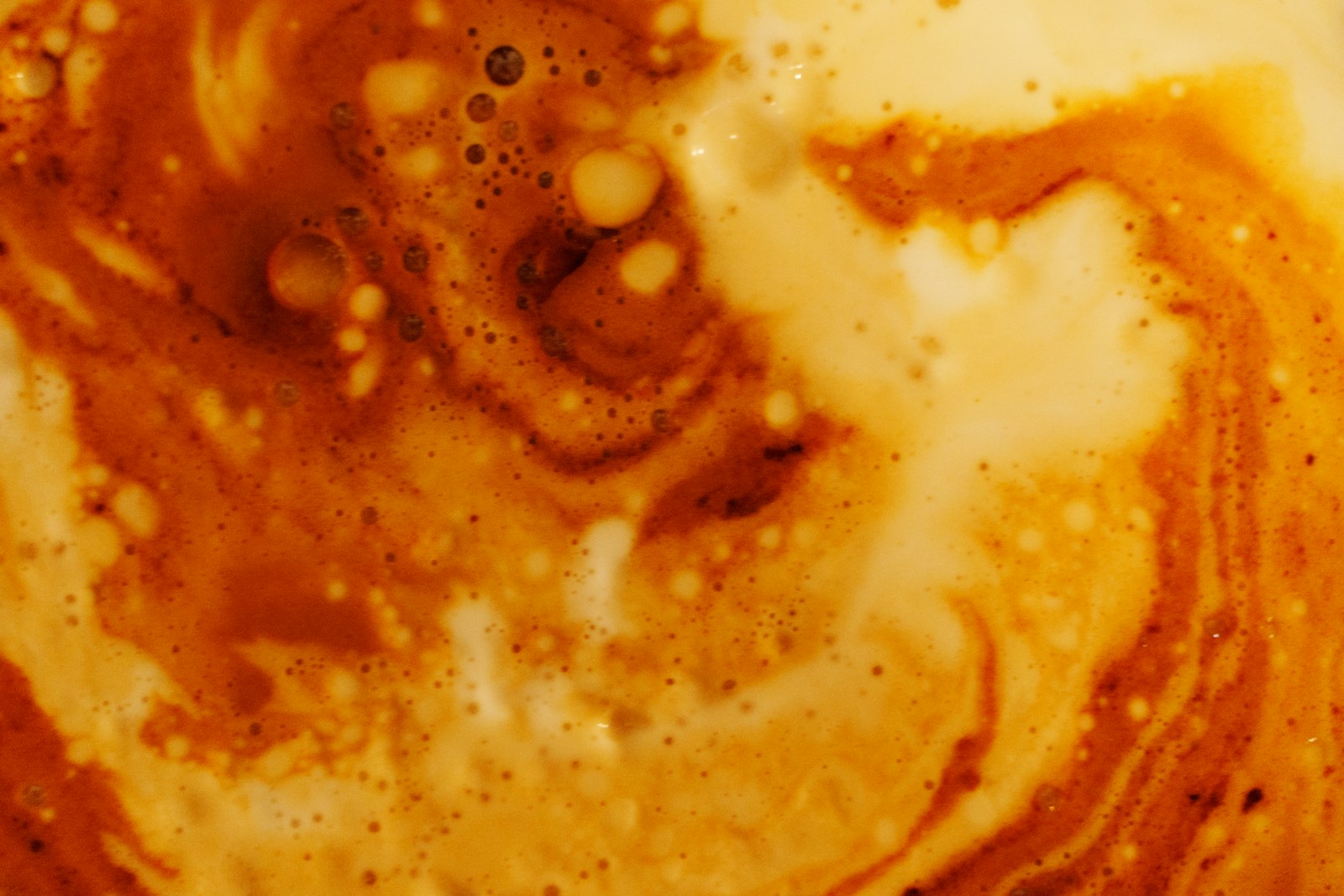
There is a moment, somewhere past the foaming and just before the smoke, when butter stops being butter and becomes something else entirely. The milk solids that have been suspended in all that gold begin to toast against the base of the pan, and the kitchen fills with an aroma that is closer to hazelnut and warm toffee than to dairy. The French call it beurre noisette, hazelnut butter, and it is one of the few genuinely transformative techniques a home cook can master in under five minutes. It costs nothing beyond a little patience and a willingness to stand still.
Most of us were taught to treat butter as a background player, a fat to soften onions in or to finish a sauce with off the heat. Brown butter argues for the opposite. It asks to be the point of the dish rather than its lubricant, and once you begin to think of it that way, a great many ordinary things start to seem underdressed without it.
What Actually Happens in the Pan
Butter is roughly four-fifths fat, with the remainder made up of water and milk solids, chiefly proteins and traces of sugar. When you heat it, the water boils off first, which is the noisy, spitting stage most cooks recognise. Once the water has gone the temperature climbs quickly, and the proteins and sugars left behind begin to brown through the same Maillard reactions that give a seared steak or a crust of bread its savour. This is why the flavour reads as nutty and complex rather than simply rich: you are toasting solids, not merely melting fat.
The window is narrow. A few seconds of inattention takes you from noisette to something acrid and burnt, and there is no rescuing it once it tips. A pale or stainless pan is the honest cook’s insurance, because it lets you read the colour as it develops rather than guessing against a dark surface. Swirl often, keep the heat moderate, and trust your nose as much as your eyes.
The Uses Multiply Quickly
Once you have a little jar of it, the applications feel almost embarrassing in their number. Spoon it, still warm, over pan-fried fish and a scatter of capers, and you have the bones of a classic sole meunière with none of the fuss. The same trick works on scallops, on gnocchi crisped in a hot pan, on roasted cauliflower whose edges catch and caramelise.
- Whisked into mashed potato in place of ordinary butter, where it lends a savoury depth that people struggle to name.
- Folded into a simple financier or a batch of chocolate-chip biscuits, deepening them without a single added ingredient.
- Stirred through soft polenta, or over a poached egg on toast for a breakfast that punches far above its effort.
- Emulsified with a splash of pasta water and lemon into a fast sauce for filled pasta or plain tagliatelle.
It is the sort of technique that rewards a well-kept kitchen, the kind of considered larder we argued for in our case for the return of the larder. Keep good butter to hand and you keep the raw material for a dozen quick, quietly luxurious meals.
On Choosing Your Butter
The rule here is simple: the better the butter, the better the result, because you are concentrating everything about it. A cultured European-style butter with a higher fat content and a faint tang browns beautifully and tastes more of itself. Unsalted is the sensible default, since it lets you control seasoning and avoids the risk of salt crystals scorching, though a good salted butter finished with restraint has its own charms. Store your butter properly and it will reward you; a cold, dark corner such as the one we praised in our look at the buttery and cold pantry keeps it sweet far longer than a warm kitchen counter.
Brown butter is proof that luxury in the kitchen is more often a matter of attention than of expense. You already own the ingredient. You simply have to watch it.
A Few Refinements
Add a sprig of sage or a few thyme leaves in the last thirty seconds and they will crisp and perfume the fat at once. A squeeze of lemon or a splash of sherry vinegar cuts the richness and brightens everything, which is why brown butter and acid are such natural partners. If you want to keep a batch, pour it while warm, solids and all, into a clean jar; the toasted sediment that settles at the bottom is where much of the flavour lives, so stir it back in before using. It behaves much like the pale, silky fat that carries the flavour of a properly clarified soup, and if that idea appeals you will enjoy our piece on a properly made consommé.
There is a case, too, for pairing it thoughtfully. Brown butter’s nuttiness sits beautifully alongside a fruity, grassy oil, and understanding one deepens your feel for the other; our guide to single-estate olive oil is a useful companion for anyone building a pantry with intent. The broader point, explored across our dining and drinks writing, is that the smallest techniques often carry the greatest returns.
Why It Endures
Fashions in cooking come and go, but beurre noisette has been quietly indispensable for centuries because it solves a genuine problem: how to make something taste of more without adding much of anything. It is thrift and luxury in the same pan, a technique born of using up what you have and elevated into one of the most seductive flavours in the Western kitchen. In an age of long ingredient lists and elaborate equipment, there is something reassuring about a transformation that needs only heat, time, and a cook paying attention.
Make it once and you will find yourself reaching for it constantly, browning a knob of butter almost by reflex whenever a dish seems to want a little more. That is the mark of a technique worth keeping: not that it dazzles, but that it becomes part of how you cook without your quite noticing.
Renée has covered Singapore's restaurants for over a decade, with a soft spot for the kitchens most people walk past.


