The Craft Breweries Worth Knowing
Singapore has more craft breweries than most people realise. Here are the ones worth knowing, and exactly what makes each one genuinely distinct.
 By Renée Tan
29 August 2026 · 6 min read
By Renée Tan
29 August 2026 · 6 min read
Craft beer in Singapore spent its first decade fighting for shelf space against imported lager and a national palate more accustomed to whisky and wine. That has shifted meaningfully — a small but genuinely serious brewing scene has taken root, built by people who left corporate careers to chase fermentation science, and the results are worth paying attention to well beyond the novelty of a locally made pint.
The Patience of a Good Lager Brewer
Lager is, counterintuitively, the harder style to brew well. Its clean, minimal profile leaves nowhere to hide a fermentation flaw the way a heavily hopped IPA might mask imperfections behind aroma. The breweries earning real respect in this city tend to be the ones patient enough to lager properly — weeks of cold conditioning rather than rushing a batch to meet demand. Tasting a well-made local lager against a rushed one, side by side, makes the difference obvious almost immediately, even to a drinker who has never thought much about the process. Beer has long had a place in the kitchen too, as our piece on the art of the carbonnade shows of a slow Flemish braise.
Tropical Brewing Has Its Own Rules
Brewing in a hot, humid climate is genuinely different from brewing in temperate countries, and the better local breweries have stopped simply importing recipes wholesale from Europe or America. Fermentation temperatures need tighter control, ingredient sourcing has to account for faster spoilage in transit, and serving temperature matters more here than almost anywhere — a beer built for a cool European pub can taste flat and lifeless served the same way in Singapore’s heat. The breweries thinking seriously about this local context, rather than simply replicating a Portland or Munich playbook, are producing some of the most interesting beer in the region.
What to Look For at a Local Brewery
- A rotating, seasonal tap list rather than a static, unchanging core range
- Ingredient sourcing that acknowledges the local climate rather than fighting it
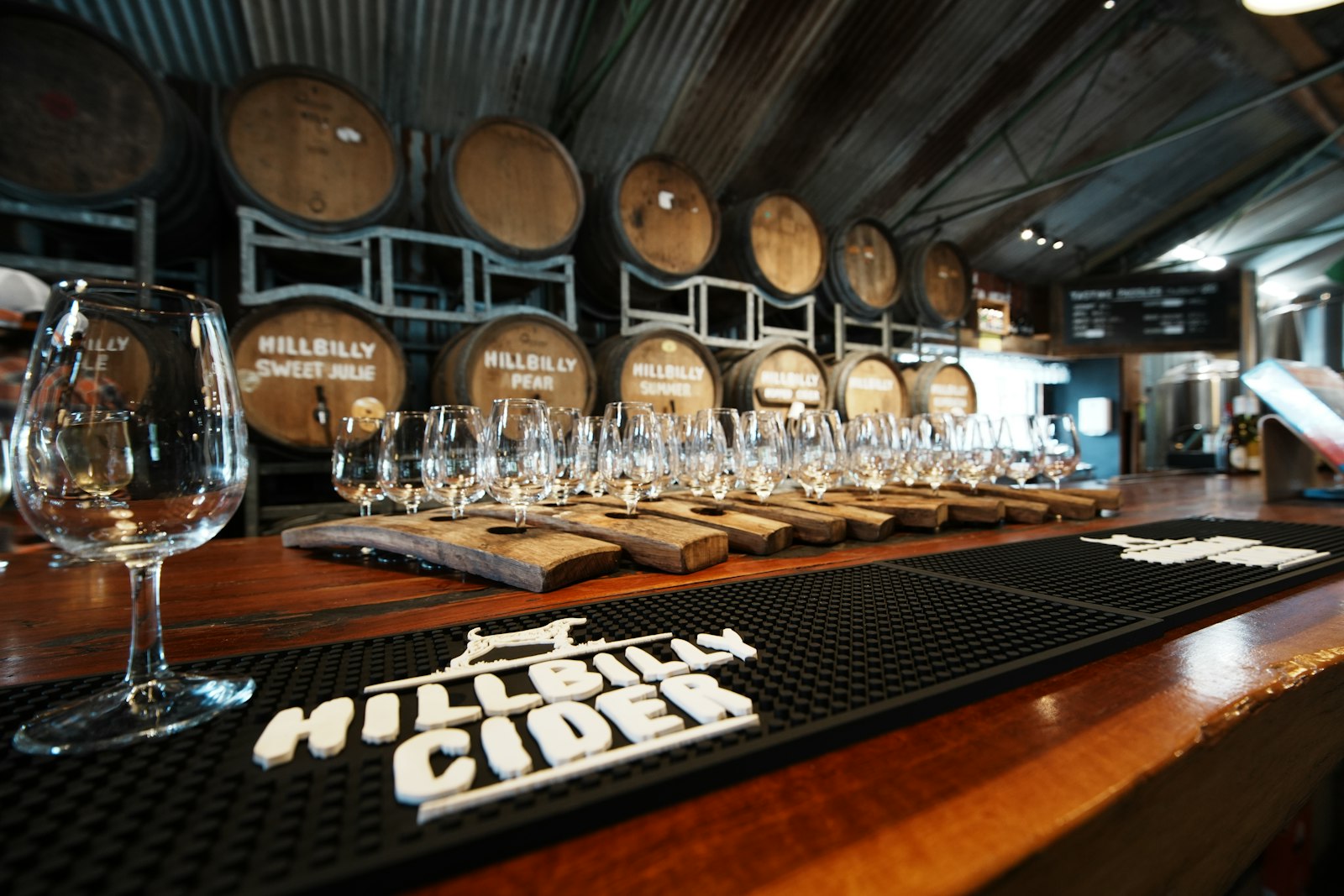
- A taproom that treats beer with the same seriousness a good wine bar treats its list
Local Ingredients, Used With Restraint
Gimmicky use of regional ingredients — beers brewed with durian or chilli purely for headlines — gave local craft beer a slightly unserious reputation for a while. The more considered breweries have moved past that phase, using local ingredients like gula melaka, pandan, or native fruit with genuine restraint, as a supporting note rather than the entire pitch. The result tends to be beer that reads as distinctly Singaporean without leaning on novelty to justify itself, which is a considerably harder trick to pull off well and a better long-term foundation for any brewery’s reputation.
The People Behind the Tanks
What separates the breweries worth knowing from the ones simply filling a market gap is usually the person running the tanks. Many of the city’s most respected brewers trained formally overseas before returning, or apprenticed for years under exacting mentors, and it shows in a consistency that newer, more casually run operations often lack. A brewery willing to talk through its process in detail, rather than deflecting to marketing language, is usually one worth returning to — genuine craft tends to come with genuine curiosity about the science behind it.
Pairing Beer With Food, Properly
Craft beer’s versatility with food is still underused in Singapore, where wine and cocktails dominate most pairing menus by default. A well-made saison can cut through the richness of local roast meats as effectively as any white wine, and a properly hopped pale ale holds its own against spicier dishes far better than most reds. The breweries and bars taking this seriously are starting to build considered beer pairing menus of their own, worth seeking out specifically rather than treating beer purely as a casual, unpaired drink.
Reading a Tap List Like a Regular
A brewery’s core range tells you about its business model; its rotating tap list tells you about its ambition. Look for small-batch releases described with genuine specificity — hop variety, yeast strain, fermentation temperature — rather than vague adjectives like “hoppy” or “smooth.” A brewery confident enough to publish these details is usually confident in the underlying process, and it gives a curious drinker something to actually compare across visits rather than simply picking whichever tap sounds most appealing that evening. The best taprooms will happily talk through a batch’s quirks, including the ones that did not turn out quite as planned, which is itself a good sign of a team more interested in craft than polish.
Where the Scene Still Has Room to Grow
For all its progress, Singapore’s craft beer scene remains constrained by cost — imported hops, tight commercial rents, and a market still relatively small compared to established beer cultures in Europe, the United States, or nearby Japan. This has pushed several local breweries toward smaller, more experimental batches rather than scaling up a single flagship beer, which has arguably been good for creativity even as it makes any particular favourite harder to find reliably in stock. Understanding this context is part of appreciating what the scene has managed to build so far, and why supporting these smaller operations directly, at the taproom rather than only through retail, genuinely matters to their ability to keep experimenting.
For a broader view of Singapore’s evolving drinks culture, the bartenders turning bars into destinations covers similarly serious craft in the cocktail world, while the case for non-alcoholic, done properly is worth reading if you are cutting back without wanting to cut flavour. The low-intervention bar list, explained offers a useful parallel from the wine side of the same broader shift toward transparency.
Why It Is Worth Seeking Out
Singapore’s craft breweries are still small relative to the country’s overall drinking culture, but the quality ceiling has risen dramatically over the past several years. Seeking them out deliberately, rather than defaulting to whatever is on tap at a familiar bar, rewards the effort with genuinely distinctive beer built by people who care considerably more about the process than the marketing, and who are, more often than not, happy to say so at length if you simply ask. The wider Dining & Drinks section tracks this scene as it continues to develop.
Renée has covered Singapore's restaurants for over a decade, with a soft spot for the kitchens most people walk past.