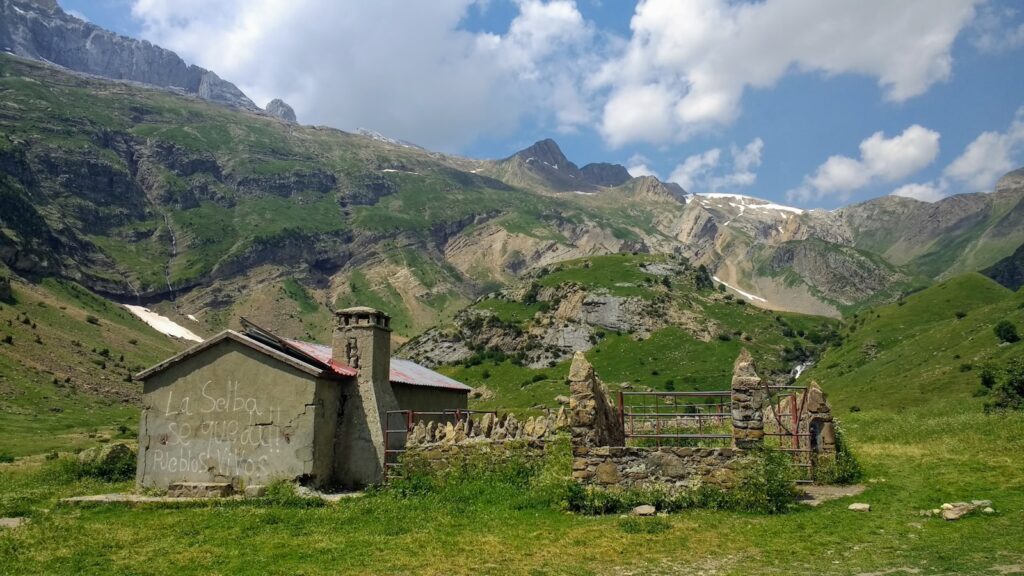
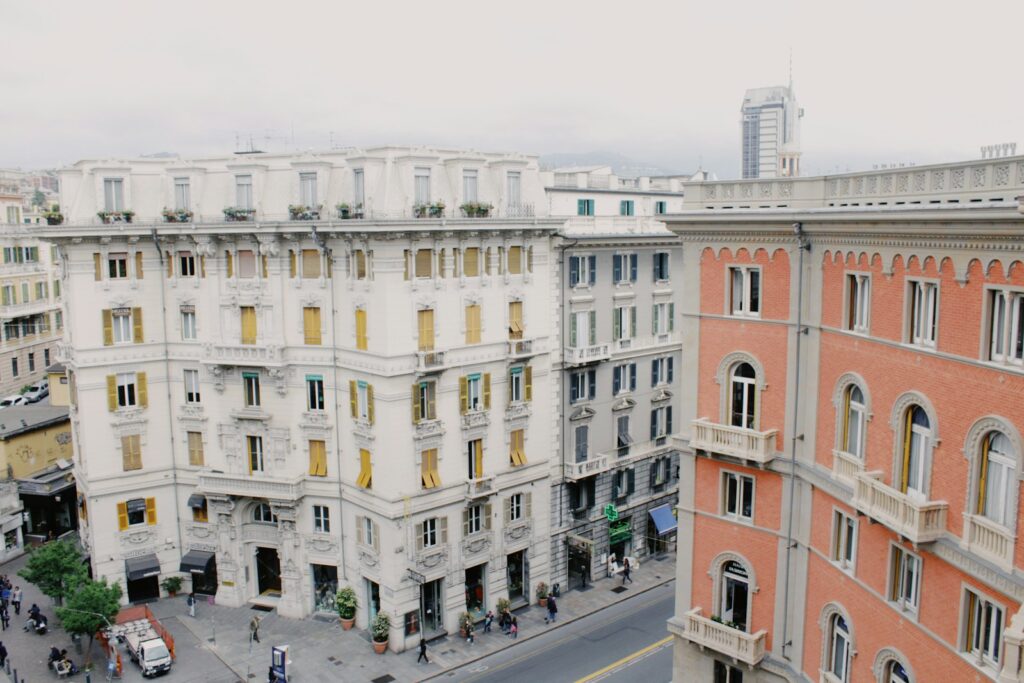
A Guide to the Villages of the Beaujolais
Beyond the young wine it is famous for, the Beaujolais hides golden-stone villages and serious crus. A guide to the vine-clad hamlets worth the detour.
 By Marcus Lim
2 September 2026 · 6 min read
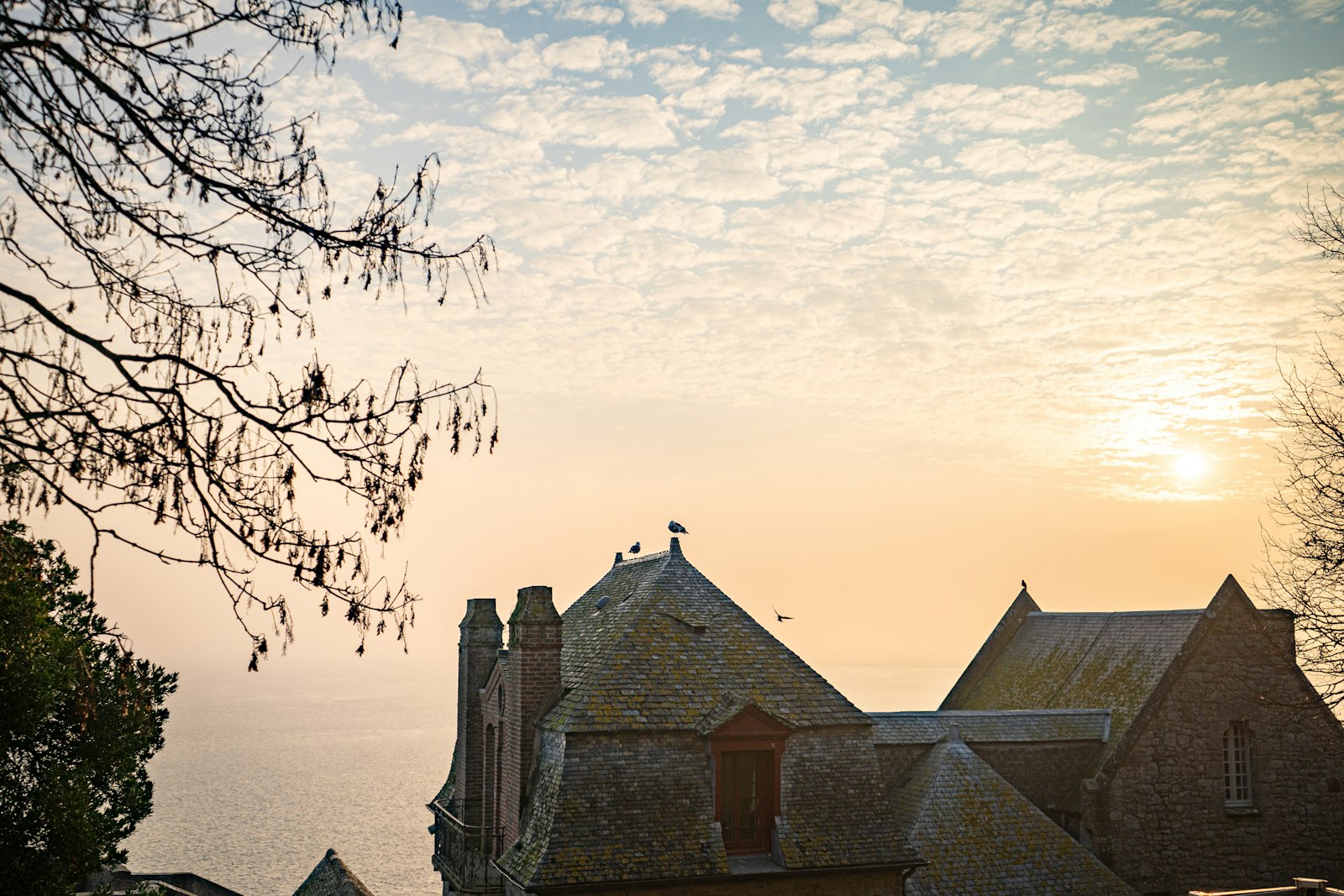
The Beaujolais suffers from its own fame. To much of the world it means only one thing, the young, fruity wine rushed to market each November amid a great deal of noise, and that reputation has done the region a quiet disservice. Because the truth is that the Beaujolais, the actual place, is one of the loveliest and least spoiled wine countries in France: a land of rolling granite hills, golden-stone villages, and serious, ageworthy wines that the annual jamboree has entirely overshadowed. For the traveller who ventures beyond the cliché, it is a revelation.
The region runs north from the outskirts of Lyon, its vineyards climbing hills of pink granite that give the local stone, and the local wine, their particular character. In the south, the land is gentler and the villages are built of a warm, honey-gold stone that has earned this stretch the nickname of the golden-stone country. In the north, the hills steepen and the finest wines are made, in a cluster of named villages, the crus, that few casual visitors ever learn to distinguish.
The golden-stone south
The southern Beaujolais is the region at its most picturesque, and it rewards aimless wandering by car or bicycle. Its villages are built almost entirely of a soft golden limestone, and in the low light of morning or evening they seem to glow from within, gathered in folds of the vine-clad hills. These are working wine villages rather than museum pieces, their squares still centred on the local caves where the growers sell their wine, and their rhythms still set by the vineyard year.
To travel here is to move at the pace of the vines, and the natural way to do it is to base yourself among them. The appeal is exactly that of the accommodation we celebrate in our piece on the case for the vineyard stay: to wake among the rows, to walk them in the cool of the day, and to understand the wine by living, however briefly, in the landscape that makes it.
The serious wines of the north
The northern Beaujolais is where the region makes its case as a wine country to be taken seriously. Here, on the steep granite slopes, lie the ten crus, the named villages whose wines can age for years and rival far grander appellations for depth and complexity. Each cru has its own character, from the light and floral to the dense and structured, and learning to tell them apart is one of the great pleasures of a visit.
The vineyards themselves are strikingly beautiful, planted on steep slopes that in places must still be worked by hand, the vines trained low against the granite. This is terraced, hard-won viticulture of the kind we admire in our survey of the best places for terraced vineyard landscapes, and standing among the north-facing crus, looking out over rows that follow every contour of the hill, you understand why the wines carry such a sense of place.
Forget the November noise. The real Beaujolais is granite, patience and golden stone, and its best wines age for a decade while no one is watching.
Eating in the Beaujolais
The Beaujolais sits at the doorstep of Lyon, France’s capital of gastronomy, and it eats accordingly. The local tables are unpretentious and deeply satisfying, built around the region’s charcuterie, its farmhouse cheeses, and simple dishes that partner the local wine to perfection. The traditional bouchon cooking of the area, hearty and honest, is the ideal foil for a chilled cru on a warm afternoon, and lunch here can easily unfold into the whole of an afternoon.
This is a region to eat slowly and drink locally, following the unhurried rhythm that suits wine country everywhere. It is the same pleasure of place and produce that draws travellers to the vine-country villages we map in our guide to the villages of the Luberon, another French landscape where the table and the vineyard are inseparable, and where the best days are the ones with no schedule at all.
Where to stay and how to travel
The Beaujolais is compact enough to explore from a single base, and the ideal is a village in the golden-stone south or a growers’ hamlet in the north, from which the whole region lies within an easy drive. A converted wine-grower’s house makes the most fitting accommodation, and the appeal of settling into the fabric of the vineyard is exactly what we describe in our piece on the case for the vineyard cottage stay.
A car is useful for reaching the scattered crus and the hilltop villages, but the region also rewards the cyclist, its quiet lanes winding between vineyards with barely a car to disturb them. However you travel, the essential approach is unhurried: a village and a cave in the morning, a long lunch, an afternoon among the vines, and an evening watching the golden stone catch the last of the light.
A region worth reclaiming
The region also rewards the traveller who comes for the vineyard year itself, and each season offers its own spectacle. In spring the vines bud and the growers are out among the rows; in the long light of summer the canopy fills and the villages drowse in the heat; and in autumn the harvest brings the whole region to a pitch of activity, the pickers moving through the vineyards and the caves filling with the smell of fermenting fruit. To visit at harvest is to see the Beaujolais at its most alive, though the crush means the growers have little time to talk. For the unhurried conversation that is half the pleasure of wine country, the quieter shoulder seasons are better, when a grower will happily open a bottle and explain his hillside.
The Beaujolais deserves to be known for more than its youngest wine. Travel here with an open mind and you find a landscape of rare beauty, a wine culture of genuine seriousness, and villages that have kept their character while the world’s attention was fixed elsewhere. It is precisely the kind of overlooked, rewarding destination our travel and stays coverage exists to champion: a place the crowds have misjudged, waiting quietly for the traveller curious enough to look past the label and discover what is really there.
Marcus writes on travel and hospitality across Asia, and is happiest a long way from a lobby.