The Case for the Reading Chair
One good chair, the right light, a place that is only for reading: the case for taking the reading chair seriously, and how to choose one that lasts.
 By Priya Nair
1 September 2026 · 6 min read
By Priya Nair
1 September 2026 · 6 min read
Everyone should own one chair that exists purely for reading. Not a sofa shared with the television, not a dining chair pressed into service, but a proper reading chair: a single, well-chosen armchair whose only job is to hold you comfortably for an hour or three with a book. It is one of the smallest and most rewarding investments a home can make, and most homes are missing it.
The reading chair is a quiet luxury in the truest sense. It asks only that you choose it well and place it thoughtfully, and in return it gives you a dedicated place for one of life’s great pleasures. The case for taking it seriously is stronger than its modest footprint suggests.
Why reading needs its own chair
Reading is a particular activity with particular requirements, and general-purpose seating rarely meets them. A sofa is too low and too soft for sustained attention; a dining chair is too upright and too hard; a work chair is all business. Reading sits between these, and it wants a seat designed for the between.
A proper reading chair supports you in a slightly reclined but alert posture, holds your arms at a comfortable height for a book, and cradles you without swallowing you whole. Having one changes the act of reading from something you do wherever you happen to land into something you sit down to do with intention. It creates a destination, in the way that a well-made reading nook does, only in a single, moveable piece of furniture.
How to judge a reading chair
Comfort for reading is specific, and you must test for it specifically. Sit in the chair as you would to read, with a book in your hands, and stay there. Is the seat depth right, so that your back is supported without your legs dangling or your knees jamming? Are the arms at the correct height to rest your elbows and hold a book without hunching? Does the back support you in a gently reclined, sustainable posture?
Ignore the showroom appeal and judge the twenty-minute test. Many handsome chairs are miserable to read in, and some plain ones are perfect. This is the same discipline of buying for genuine comfort over looks that we urge throughout, the honest assessment that separates a chair you will use from one you will merely own. Our wider survey of the best accent chairs covers the field, but for reading, comfort trumps everything.
A reading chair is not chosen with the eyes. It is chosen with the whole tired body, at the end of a long day, with a book in hand and nowhere else to be.
The matter of light
A reading chair is only half the equation; the other half is light. The best chair in the world is useless in a gloomy corner, and the placement of the chair relative to light, daylight by day and a good lamp by night, is as important as the chair itself.
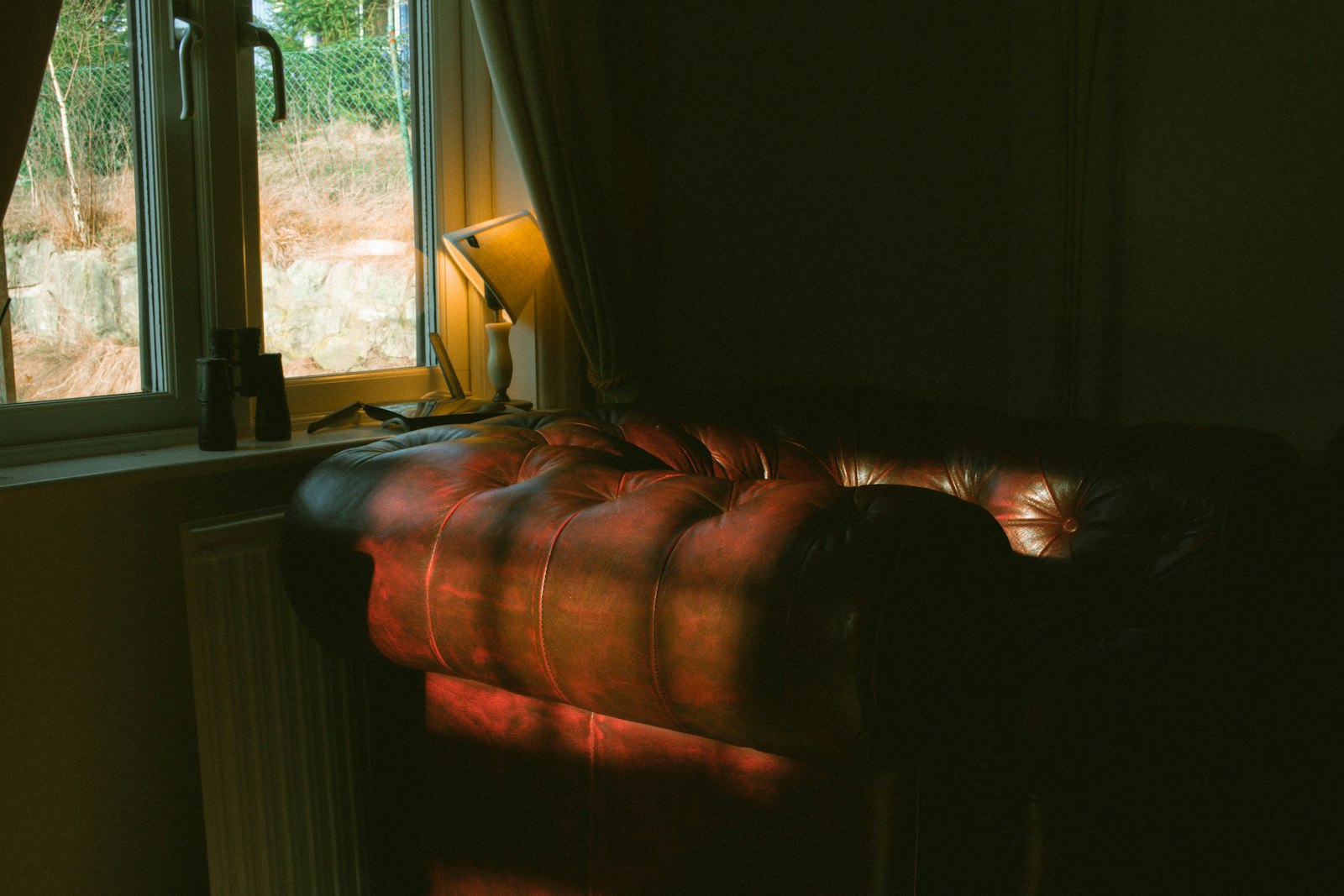
Position it near a window for daytime reading, ideally with the light falling over your shoulder onto the page rather than into your eyes. For the evening, pair it with a proper reading lamp, adjustable, warm and bright enough to light the page without glaring, set to one side and slightly behind. The chair and the lamp are a partnership, and neither works fully without the other. Get both right and you have built, in one corner, a complete place to read.
The small things around the chair matter more than you might expect. A side table within easy reach, wide enough for a cup, a lamp and a small stack of books, turns an isolated seat into a proper station for reading. A footstool changes the whole posture, letting you settle deeper and stay longer. A throw over the arm invites you to linger on a cool evening. None of these is expensive, and together they turn a chair into a place, one you gravitate towards without thinking, which is exactly what a reading chair should become. Site it a little apart from the household traffic, out of the line of the television, and it acquires the quiet gravity of a retreat.
Materials, and the chair that ages well
A reading chair is a chair you will use for years, ideally decades, so choose it to last and to age well. Leather is the classic choice for good reason: it is comfortable in all seasons, it wears in rather than out, and a reading chair worn to a soft patina by years of use is among the most inviting objects a home can hold. Good wool and linen upholstery age well too, developing character with use.
Buy the best frame and materials you can, because this is a piece you will keep and grow attached to. A well-made reading chair becomes, over time, almost a member of the household, and it is precisely the sort of enduring, characterful object that a proper library deserves at its centre, the kind of room we make the case for in the case for a proper home library. Avoid the temptation of anything too fashionable, since a reading chair is a long-term companion and trends date quickly; a plain, honestly made shape you love will still please you in twenty years, when the season’s statement piece has long since worn out its welcome.
One good place to read
The reading chair is a small commitment with an outsized return. For the cost and space of a single piece of furniture, you gain a dedicated place for one of the deepest and most reliable pleasures there is, and a room gains a quiet focal point that says, plainly, that reading matters here.
Choose it for comfort, place it in good light, buy it to last, and it will repay you for the rest of your life. For more on furnishing a home for the pleasures that actually make it worth living in, the wider Homes & Culture section is the place to browse. Every home deserves one good place to read; the reading chair is how you make it.
Priya tours the homes most people only glimpse from the road, and asks how they are really lived in.