Why the Chapel Conversion Endures
A converted chapel offers volume, light and a sense of occasion no new build can match. Why the chapel conversion endures, its challenges and rewards.
 By Priya Nair
2 September 2026 · 6 min read
By Priya Nair
2 September 2026 · 6 min read
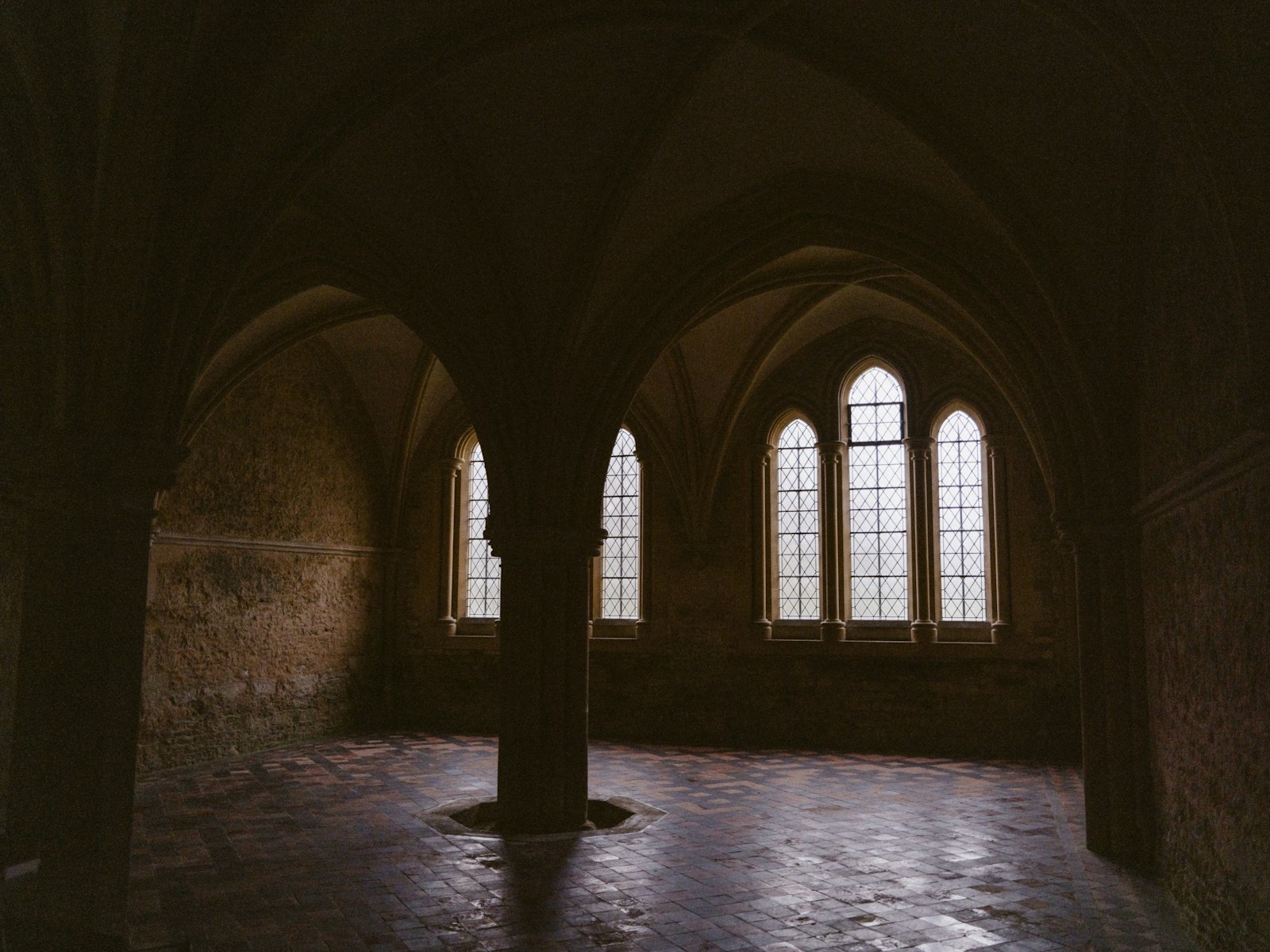
Every so often a house comes to market that stops the scroll: a former chapel, its arched windows intact, its bell-cote still crowning the gable, now offered as a home. The chapel conversion has a hold on the imagination that few other buildings match, and it is not hard to see why. These were structures built to lift the eye and stir the spirit, made of good stone by people who meant them to last. Turned to domestic use, they offer volume, light and a sense of occasion that no new build can manufacture. The chapel conversion endures because it gives a home something money alone cannot buy: gravity.
Volume you cannot build new
The first thing a chapel offers is space, and space of a particular quality. Nonconformist chapels and country churches alike were built tall, their single great room rising to a roof designed to hold a congregation and its voices. Converted, that volume becomes a living space of astonishing generosity, ceilings soaring where a modern house would give you two-four. The trick, and the challenge, is inhabiting that volume without destroying it. The best conversions insert a mezzanine or a discreet upper floor at one end, keeping the main space open while carving out the bedrooms a home requires.
This is the same architectural instinct that animates the conversion of other redundant buildings, the barn, the granary, the mill, all of which trade quirks for a spatial drama new houses lack. Our piece on why the granary conversion endures explores the sibling logic of turning an agricultural building to domestic use, and much of it applies to the chapel too.
The gift and problem of light
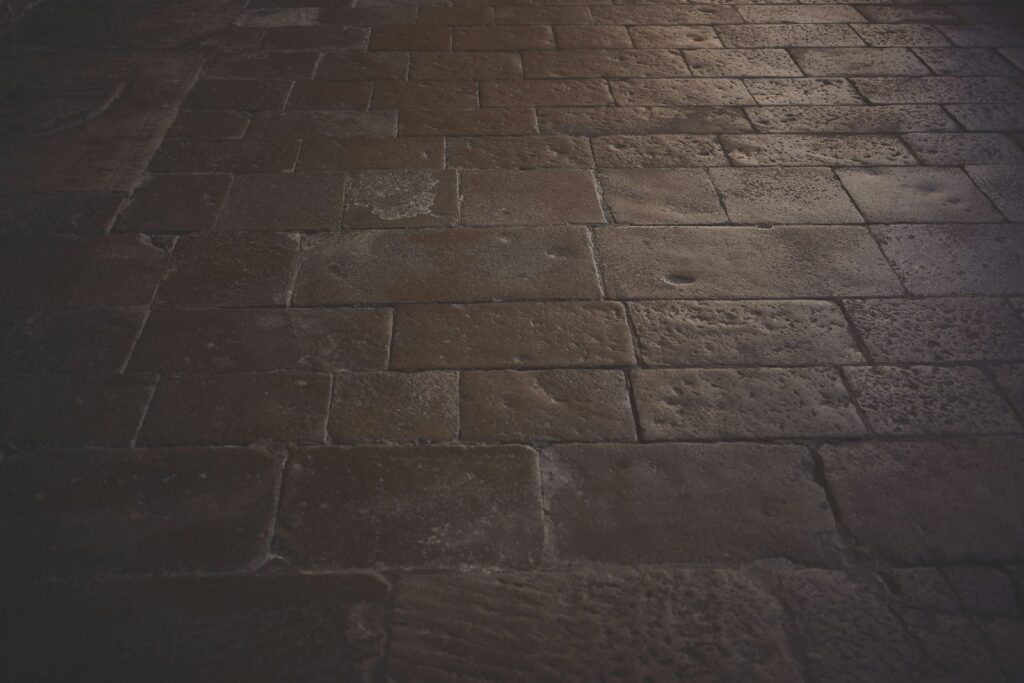
Chapel windows are made to inspire, tall, arched, often filled with tracery or coloured glass, and they flood a converted interior with light of a quality that flatters everything. But they are also a problem to solve. Ecclesiastical windows were never meant to open, to keep out draughts, or to meet a modern insulation standard, and the sensitive conversion must warm the building without ripping out the very features that make it special. Secondary glazing, careful draught-proofing and underfloor heating in a new stone floor are the usual answers, preserving the glass while making the space liveable through a British winter.
The reward is a home lit like no other. The changing light through a great east window across a day is a kind of slow theatre, and it is precisely this drama of light and volume that our writing on the most characterful conversions returns to, not least the case for the converted barn stay, where the same generosity of space is put to the service of a memorable place to sleep.
A new house gives you rooms. A chapel gives you a room with a soul already in it, and asks only that you do not ruin it.
Living with the sacred plan
A chapel was not designed as a home, and its plan resists domestication in ways the buyer must respect. There is often no obvious place for a kitchen, no natural division into the small warm rooms daily life needs, and the listed status many carry limits what can be changed. The most successful conversions work with the building’s logic rather than against it, treating the great space as one grand room and tucking the services into a discreet new insertion, freestanding within the volume so the original shell reads clearly through it.
This is delicate work, the province of architects who specialise in old buildings and understand when to intervene and when to leave well alone. It shares a philosophy with the best conversions of any historic fabric, including closer to home; our piece on a shophouse reborn in concrete and teak shows the same respect for an old shell reworked for modern life in a Singapore register.
What you take on
A chapel is not a low-maintenance proposition. Stone needs pointing, roofs of slate or lead need care, and a building of this age carries obligations that a new house does not. Buyers should go in clear-eyed: the running costs are real, the listed consents can be slow, and the heating of a tall stone volume is never cheap. But those who take it on rarely regret it, because what they get in return is a home with presence, one that will still be standing, and moving people, long after the estates around it have been rebuilt twice over.
Set against the true cost of building something of comparable character from scratch, which is essentially impossible, the chapel starts to look less like an indulgence and more like a bargain in gravity.
The enduring appeal
The setting a chapel keeps
A chapel rarely comes alone; it comes with a place. These were buildings raised at the heart of communities, and their siting reflects it, on a village green, at a crossroads, on a hill above a valley, in the quiet corner where the road bends. Often they bring a graveyard with them, which sounds forbidding but in practice grants the new owner something priceless in the modern world: a guaranteed buffer of green, planted with ancient yews, that no developer can ever build upon. The chapel conversion frequently enjoys a setting far grander than its acreage would suggest, borrowing the openness of the churchyard and the long views its builders chose for reasons of the spirit rather than the estate agent.
That setting shapes the life of the house. Where a modern home sits in a close of identical neighbours, a converted chapel stands apart, a landmark that the village still half thinks of as its own. This brings responsibilities, a certain openness expected of you, a respect owed to the graves in your keeping, but it brings rewards in equal measure: quiet, space, and a rootedness in place that new-build estates spend fortunes failing to imitate. The buyer takes on not just a building but a piece of local memory, and the wise one honours it, keeping the churchyard, welcoming the occasional visitor come to find a grave, letting the building remain legibly what it was. Do that, and the chapel repays you with a setting and a standing that money, on its own, simply cannot buy. It is the last and least tangible of the chapel’s gifts, and perhaps the one its owners come to value most.
The chapel conversion endures because it satisfies a hunger the modern house rarely feeds: the wish to live somewhere that means something, that was built with care and conviction and time. It is not for everyone, and it is not for the faint-hearted or the shallow-pocketed. But for those drawn to volume, light and the deep character of an old sacred building, nothing else will quite do. Explore more homes with genuine architectural presence across our Homes & Culture writing, and if a chapel ever stops your scroll, take the viewing. The space alone is worth the trip.
Priya tours the homes most people only glimpse from the road, and asks how they are really lived in.