The Quiet Islands of the Cyclades
Beyond the famous two lie the quiet Cyclades: whitewashed villages, empty coves and slow days. A considered guide to the calmer, lovelier islands.
 By Marcus Lim
1 September 2026 · 6 min read

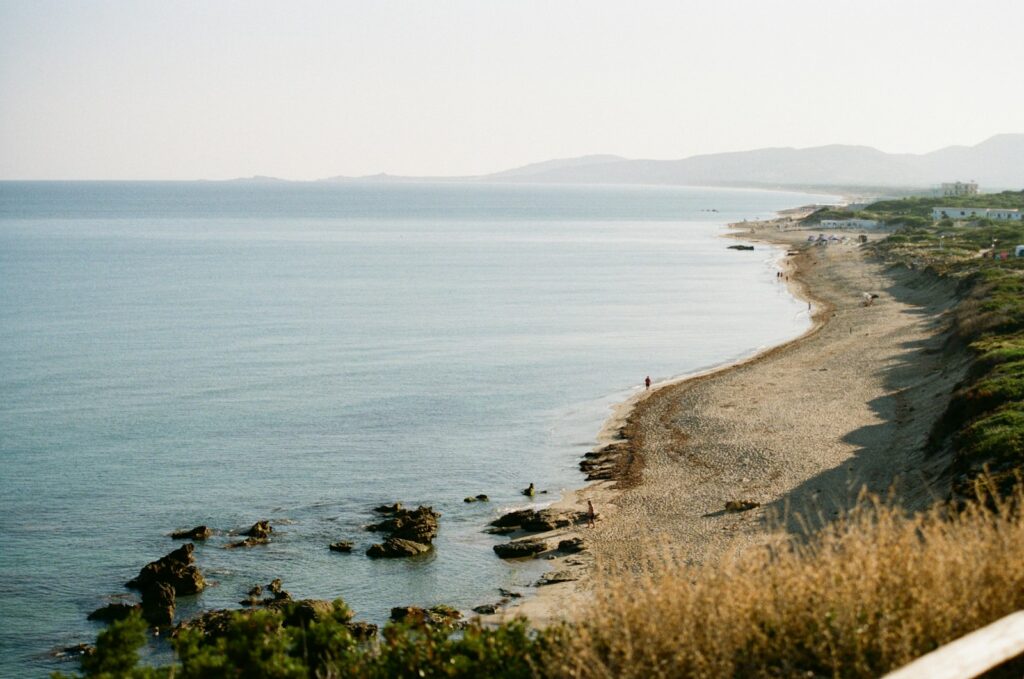
Say the Cyclades and most minds go straight to two islands: the caldera sunsets of one, the relentless nightlife of the other. Both are beautiful, both are ruinously crowded, and both have come to stand for a group of islands that is far larger, far quieter and, to our mind, far lovelier than its two famous ambassadors suggest. The real pleasure of the Cyclades lies in the dozens of islands the guidebooks hurry past, where the whitewashed villages are still lived in rather than performed, and the coves are still empty enough to feel found rather than shared.
This is a guide for the traveller willing to trade the marquee names for something slower and more real — to swap the sunset scrum for a village square where nothing much happens, wonderfully.
What makes them quiet
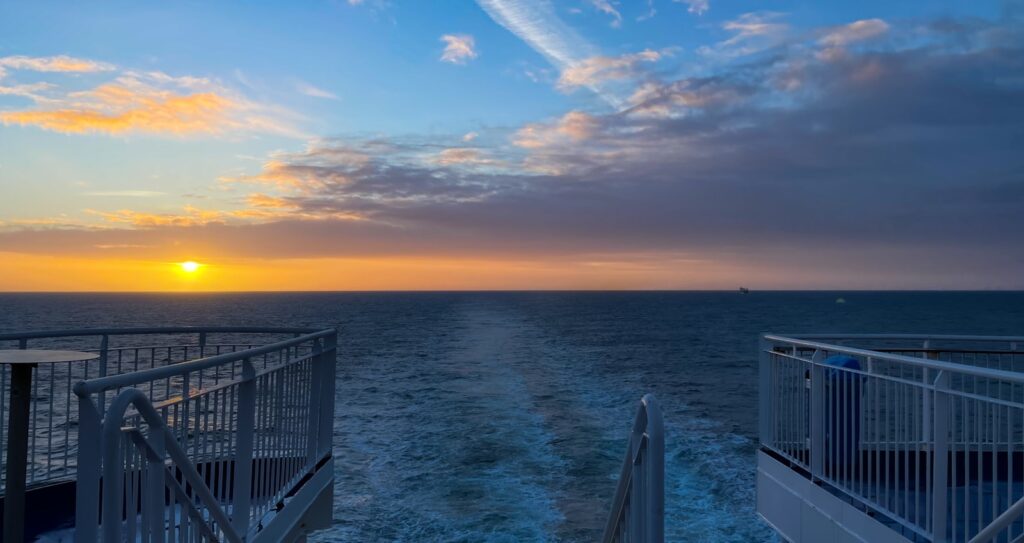
The geography of tourism in the Cyclades is simple once you understand it. A handful of islands have airports and cruise berths, and they absorb the overwhelming majority of visitors. The rest are reached only by ferry, and that single logistical friction — a boat rather than a plane — is enough to keep them calm. An island a few hours by sea from the nearest airport receives a fraction of the crowds, and its beaches, tavernas and villages breathe accordingly. The slow ferry, far from a chore, becomes part of the pleasure and the filter, a rhythm we explore in understanding the appeal of the sleeper train, where the journey is the point rather than the price.
These quieter islands share a particular architecture — the famous cube houses, the blue-domed chapels, the labyrinthine white lanes — but without the crush they read completely differently, as working villages rather than backdrops. You walk them at dusk and meet cats and old men and the smell of someone’s dinner, not a queue for a photograph.
The shape of a slow day
Life on a quiet Cycladic island organises itself around a few fixed pleasures and a great deal of unstructured time. A morning swim in water so clear it seems to hold nothing. A long lunch of grilled fish and horta and a carafe of something cold and local, stretched across two hours because there is nowhere to be. The dead, shuttered heat of the afternoon, when the whole island sleeps. Then the slow revival at dusk, the paseo through the village, and a dinner that begins late and ends later.
The gift of the smaller islands is boredom in the best sense — the kind that empties the mind and lets a place actually reach you.
This unhurried rhythm is the entire point, and it rewards the traveller who resists the urge to fill it. The same philosophy of doing less, better, runs through the way we think about all our travel and stays: the finest trips are often the ones with the least on the itinerary.
What to eat and drink
The food of the quiet Cyclades is honest, seasonal and rooted in scarcity, which is to say it is very good. The islands are dry and windswept, so the cooking makes much of a little: sun-ripened tomatoes, capers gathered from the rocks, salty local cheeses, fish pulled from the morning’s boats, and a great deal of very good olive oil. Each island guards its own speciality — a particular cheese, a way with fava beans, a fortified wine — and half the pleasure is in seeking them out. The wines, too, reward curiosity, grown in low baskets to shelter from the wind. For the wider context of Aegean cooking, our notes on the best Greek and Mediterranean dining are a good companion to a trip.
When to go
Timing is everything in the Cyclades, and the difference between the right week and the wrong one is enormous. High summer is hot, busy and, on the exposed islands, plagued by the meltemi, the fierce north wind that can pin ferries in port for days. The knowing traveller comes in the shoulder seasons instead — late spring, when the islands are green and wildflowered and the sea has warmed enough to swim, or early autumn, when the crowds have gone but the water still holds the summer’s heat. These are the weeks when the quiet islands are at their absolute best, a case we make more broadly in our guide to where to travel in shoulder season.
Reaching the calm
Getting to the quieter islands takes planning, since the ferry network radiates from a few hubs and the smaller routes run less often. The trick is to fly to a main island, then island-hop outward by sea, allowing generous time and treating the boats themselves as part of the holiday. Do not over-schedule; two or three islands across a fortnight, deeply, beats six islands skimmed. This patience is the same virtue we admire in why the fjords reward the patient traveller — the best places make you earn them, and are the better for it.
What to do, and what not to
The great temptation on a quiet island is to import the busyness you came to escape — to hire a car and tick off every beach and viewpoint, to fill the days as though the island owed you a return on your time. Resist it. The whole art of the smaller Cyclades is to do very little, and to do it well. Pick one beach and return to it until it becomes yours. Learn the walk to the far chapel and take it at dusk. Find the one taverna where the owner remembers your order by the second night. The pleasures on offer are deliberately modest — a swim, a meal, a walk, a long slow evening in a village square — and their modesty is exactly the point. An island holiday that resists the urge to achieve anything is the rarest luxury the modern traveller can give themselves, and these islands are built, better than almost anywhere, to grant it.
The quiet argument
What the calm Cyclades offer is not a lesser version of the famous islands but a truer one. Here the whitewashed villages are homes rather than sets, the tavernas cook for locals as much as visitors, and the long empty afternoons give a holiday the room to actually restore you. It asks a little more — a ferry, a slower pace, a willingness to be somewhere unfashionable — and it returns a great deal: the Aegean as it was before it became a photograph. Skip the marquee names, take the slow boat to somewhere the guidebooks barely mention, and you will find the Greece that everyone imagines they are going to and almost no one actually reaches.
Marcus writes on travel and hospitality across Asia, and is happiest a long way from a lobby.