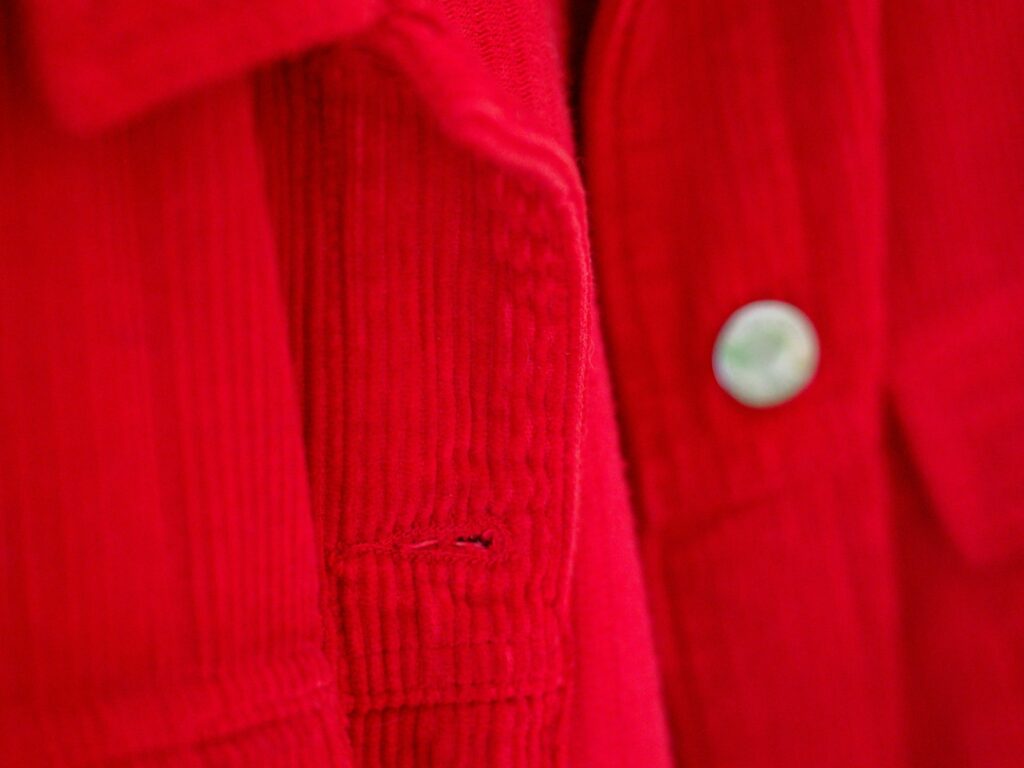
Quiet Luxury Was Never About the Logo
Quiet luxury got reduced to a stealth-wealth costume of beige cashmere and blank labels, but the original idea was always about cut, cloth, and genuine craft.
 By Sofia Costa
22 August 2026 · 6 min read
By Sofia Costa
22 August 2026 · 6 min read
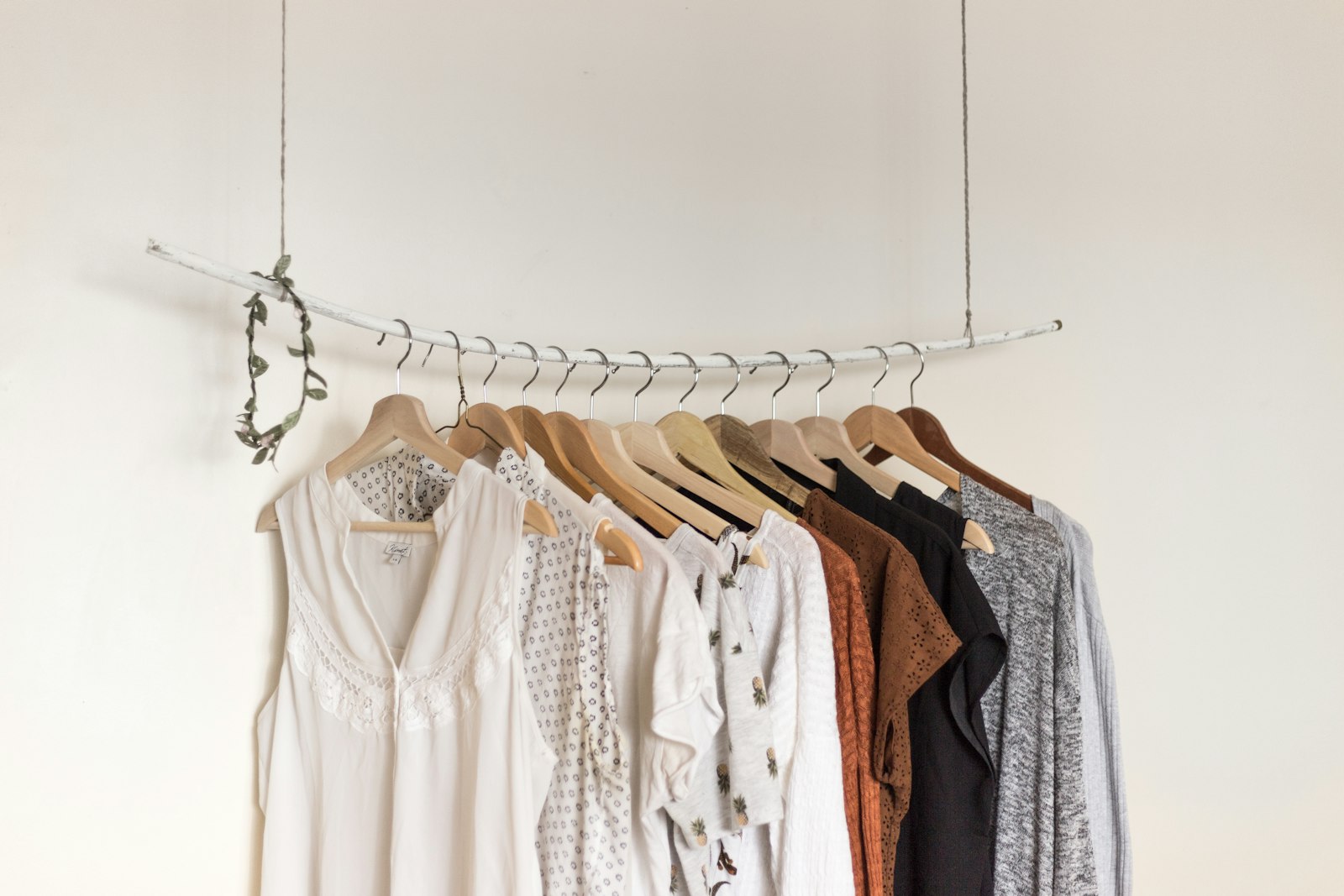
Somewhere in the last few seasons, quiet luxury stopped being a description of quality and became a costume. Beige cashmere, unmarked totes, a studied absence of anything a passer-by could recognise, the aesthetic was easy to photograph and easier to sell, which is precisely why it curdled so fast into its own kind of performance. The irony is that the phrase, at its origin, was never really about hiding a logo. It was about not needing one.
The Difference Between Quiet and Blank
A blank label is still a decision made for an audience, it says look how little I need to say, which is its own kind of announcement. Genuine quiet luxury, the sort that predates the trend cycle by decades, has nothing to do with what is absent from a garment and everything to do with what is present in it: a jacket that sits correctly through the shoulder because it was cut for an actual body, cloth with enough weight and finish to drape rather than crease, stitching dense enough to survive a decade of wear rather than a season of photographs.
None of that shows up well in a single glance. It shows up in how a garment behaves after the first wash, the first year, the first time it is sat in for six hours on a flight. That is a slower kind of signalling, and a much harder one to counterfeit, which is exactly why it has always been a better filter for taste than a logo ever was.
Fit Over Fabric, Fabric Over Branding
Ask any good tailor in Singapore what separates an expensive-looking garment from an expensive one, and the answer rarely mentions the label at all. It is fit first, a jacket that follows the line of the shoulder without pulling or ballooning, then cloth, then construction, and only somewhere far down the list, if at all, whatever mark is sewn inside the collar. A well-cut shirt in a modest fabric will read better across a room than a logo-plastered piece in cheap cotton, and it will still read well after fifty washes.
What to Actually Look For
- A shoulder seam that sits at the edge of the shoulder bone, not beyond it
- Natural drape in the cloth rather than a stiff, boardy hang
- Finishing details, buttonholes, hems, linings, that hold up under close inspection
- Buttons that sit flush and stitching dense enough that you cannot easily see individual threads
The Same Logic, Applied Beyond the Wardrobe
This is not a principle confined to tailoring. It is the same logic that separates a genuinely considered watch from a merely expensive one, the subject of our piece on the return of the honest three-hander, where restraint on the dial does the work a logo used to do. It is also the same instinct running through the best residential interiors in Singapore right now, where the best interiors have started to whisper rather than announce themselves through obvious branding or ostentatious finishes. Quiet, in every one of these categories, has never meant empty. It has meant earned.
Where It Shows Up Off the Rack
None of this requires bespoke tailoring to test. Walk any considered menswear or womenswear floor in Singapore and the same tell applies to ready-to-wear as it does to a made-to-measure commission: hold two jackets in a similar shade side by side, and the better one will hang with a slight, controlled movement rather than sitting rigid on the hanger. Run a hand down the inside of a blazer and feel whether the lining sits flat or bunches at the seams, since a bunched lining is usually the first sign that a garment was assembled quickly rather than carefully. None of it is visible in a product photograph, which is exactly why it survives as a signal long after logos stopped meaning very much.
The same test applies to shoes, arguably even more reliably than it applies to tailoring. Turn a shoe over and look at how the welt is stitched, evenly spaced and tight to the upper on a well-made pair, uneven and slightly loose on a poorly made one regardless of what the box it came in cost. Flex the sole gently; a shoe built to be resoled, rather than discarded after eighteen months, will flex at the ball of the foot and stay rigid through the shank, a distinction that has nothing to do with branding and everything to do with how the shoe was actually constructed.
A Wardrobe Built to Last, Not Just to Look Good Once
The financial argument for quiet luxury is almost never made loudly enough. A well-cut jacket in a durable cloth, properly cared for, will still be wearable in fifteen years; a trend-driven piece bought for how it photographs rarely survives five, regardless of how prominently it was branded when new. Building a wardrobe around fit and cloth rather than logo recognition is, in that sense, not really an aesthetic preference at all. It is closer to a long-term investment strategy, one where the return is measured in years of wear rather than seasons of visibility, and where the best pieces quietly outlast whatever was trending the year they were bought.
Quiet Luxury Was Never a Colour Palette
The version of quiet luxury worth defending is the one tailors and shoemakers have been practising since long before the phrase was coined: understatement earned by competence, not staged through omission. It does not require the absence of branding any more than it requires the presence of it. It requires the garment to be right, in ways that only reveal themselves to people who know what to look for, which was always a smaller, more discerning audience than a trend piece can capture.
That is worth remembering the next time a rack of unmarked beige knitwear is presented as the height of taste, whether on a fast-fashion floor or inside a flagship like the one we toured in Inside the Maison’s New Orchard Flagship. Quiet luxury was never a colour palette. It was a standard, and it remains the standard the rest of our Style & Watches coverage is measured against.
Sofia writes on style, design and the quiet craft behind the objects worth keeping.