The Best Merchants for Rhône and Southern French
The best Rhône buying in Singapore happens through merchants who travel the region themselves, not the ones simply listing familiar appellation names.
 By Renée Tan
31 August 2026 · 6 min read
By Renée Tan
31 August 2026 · 6 min read
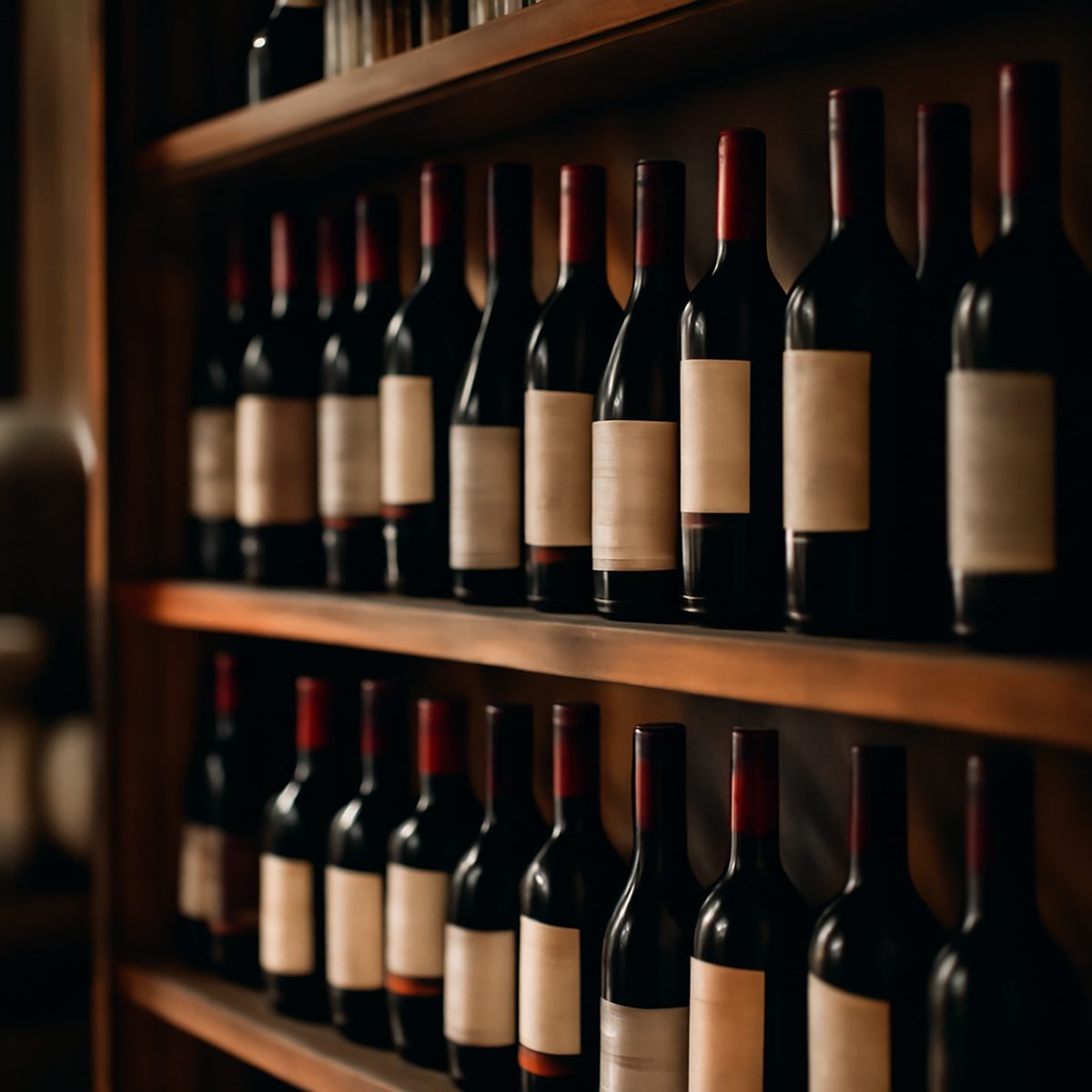
The Rhône Valley and the wider swathe of southern France it anchors — Languedoc, Roussillon, Provence — produce some of the most consistently good-value serious wine in the country, yet the category remains oddly underexplored by casual buyers in Singapore, who tend to gravitate toward the more familiar names of Burgundy and Bordeaux. This is, frankly, an opportunity for anyone willing to look slightly further down the list, and the merchants who have built genuine expertise in the region are worth knowing by name.
What Separates a Good Rhône Merchant
The clearest signal of a merchant who takes this category seriously is depth rather than breadth. This should not be confused with sheer catalogue size — some of the most impressive Rhône selections we have encountered in Singapore belong to comparatively small merchants who have chosen to specialise deeply in a handful of regions rather than stock a shallow, generic spread across all of France. A specialist merchant of this kind will often know a producer’s family history, their farming philosophy, and how a given vintage compares to the one before it, details that a generalist simply has no time to absorb across a broader, less focused portfolio. Anyone can stock a Châteauneuf-du-Pape from a well-known négociant; the merchants worth returning to also carry lesser-known northern Rhône appellations like Saint-Joseph and Cornas, along with a genuine selection from the south’s increasingly interesting Languedoc producers, many of whom are now working with old-vine Carignan and Grenache to make wines that rival much pricier Rhône bottlings. A merchant who can speak knowledgeably about the difference between a northern Rhône Syrah — leaner, more peppery, often single-varietal — and a southern Rhône Grenache-based blend, richer and more generous, has usually visited the region themselves rather than simply reading a distributor’s sell sheet.
What to Ask a Merchant
- Whether they visit the producers directly, or buy exclusively through a distributor.
- How they store their stock — temperature control matters enormously for wines this age-worthy.
- Whether they can speak to specific vintages, not just the producer’s general reputation.
- What they would recommend outside the most famous appellations, as a test of genuine range.
Beyond the Famous Names
Part of what makes this category rewarding is how much genuinely excellent wine exists just outside the most recognisable appellations. Gigondas and Vacqueyras, both southern Rhône villages producing Grenache-based reds with real structure, routinely offer more interesting drinking than a mid-tier Châteauneuf-du-Pape at a comparable or lower price, simply because they have not yet acquired the same name recognition. The merchants doing the best work in this space actively steer customers toward these under-the-radar appellations rather than defaulting to whatever sells itself, and that steering is, in our experience, the clearest signal of a merchant motivated by genuine enthusiasm rather than margin alone.
“Rhône rewards patience from the buyer, not just the winemaker,” one merchant told us. “The wines that need five or ten years in bottle are often the most interesting, but almost nobody wants to wait that long.”
A Regional Cousin Worth Knowing
Rhône’s high-altitude northern reaches share more in common than diners might expect with the Alpine wine world further east, and readers drawn to one often find themselves pulled toward the other. Our guide to Savoie and other mountain wine lists in Singapore covers a related, similarly under-explored corner of French wine, and the same merchants who take Rhône seriously frequently carry a small, well-chosen Savoie selection as well — worth asking about on the same visit.
The same is true of Burgundy, in a different way. A merchant confident enough to steer a customer away from an overpriced village-level Burgundy toward a genuinely excellent Gigondas at half the price is demonstrating exactly the kind of independence worth paying for; our separate coverage of the city’s best merchants for Burgundy and Barolo is a useful comparison, since the two categories, for all their differences in prestige, are frequently sold by the same handful of serious importers working across multiple French and Italian regions at once.
Buying for the Cellar Versus Buying to Drink Tonight
A genuinely good Rhône merchant will also help you distinguish between bottles meant for immediate drinking and those that reward cellaring, a distinction that matters more here than in many other regions because Rhône reds, particularly from the north, can be genuinely closed and unrewarding in their first few years before opening into something far more complex. Buying six bottles of the same wine, drinking one now and holding the rest, is a strategy several serious merchants actively encourage rather than simply upselling toward whatever is ready to drink immediately, and it is worth asking directly whether a given bottle is built for now or for later.
Storage matters enormously here too, and it is worth asking any merchant directly how their stock is held before it reaches you. Wine kept in an un-air-conditioned back room in Singapore’s climate degrades far faster than the same bottle stored properly, and a merchant who can speak confidently and specifically about their storage conditions — rather than deflecting the question — is generally one worth trusting with a larger, more considered purchase. This is doubly true for the more age-worthy northern Rhône reds, which represent a genuine investment of both money and patience, and deserve to be treated accordingly from the moment they arrive in the country.
Where This Leaves the Buyer
For Singaporean drinkers who have exhausted the obvious Bordeaux and Burgundy path, or simply want more interesting wine for the same spend, Rhône and the broader southern French wine landscape represent one of the more genuinely rewarding categories left relatively underexplored on the local market. Seek out the merchants who clearly love the region rather than merely stock it, and the difference in what ends up in your glass — and on the table, alongside the kind of dishes covered throughout Dining & Drinks — is immediately apparent. It is, in the end, one of the more reliable ways to drink genuinely well in this city without paying Burgundy prices for the privilege, provided you take the time to find the right person to buy from.
Renée has covered Singapore's restaurants for over a decade, with a soft spot for the kitchens most people walk past.