How to Choose Bathroom Fittings and Taps
Fittings are the jewellery of a bathroom, but they are also its hardest-working part by far. A guide to choosing brassware that genuinely lasts for decades.
 By Priya Nair
30 August 2026 · 6 min read

Bathroom fittings occupy a strange position in a renovation budget: small enough, individually, to feel like a minor decision, and yet collectively responsible for a great deal of how the finished room actually looks and feels. A beautifully tiled bathroom with the wrong taps looks unfinished; a modestly tiled one with well-chosen fittings can look considerably more expensive than it was.
Taps and fittings are also, unlike a rug or a cushion, genuinely hard-working objects, touched dozens of times a day and exposed constantly to water, whatever’s in it, and the particular humidity of a Singapore bathroom. Choosing them well means balancing look against longevity, and resisting the pull of whatever finish is currently everywhere in renovation photos.
Finish: Beyond Chrome
Chrome remains the reliable default for good reason — it’s durable, easy to clean, and pairs with almost anything, which is precisely why it can also read as slightly anonymous. The last several years have brought genuinely good alternatives into the mainstream:
- Matte black — strong and architectural, works beautifully against light stone or white tile, though fingerprints and water spots show more readily and demand more frequent wiping down.
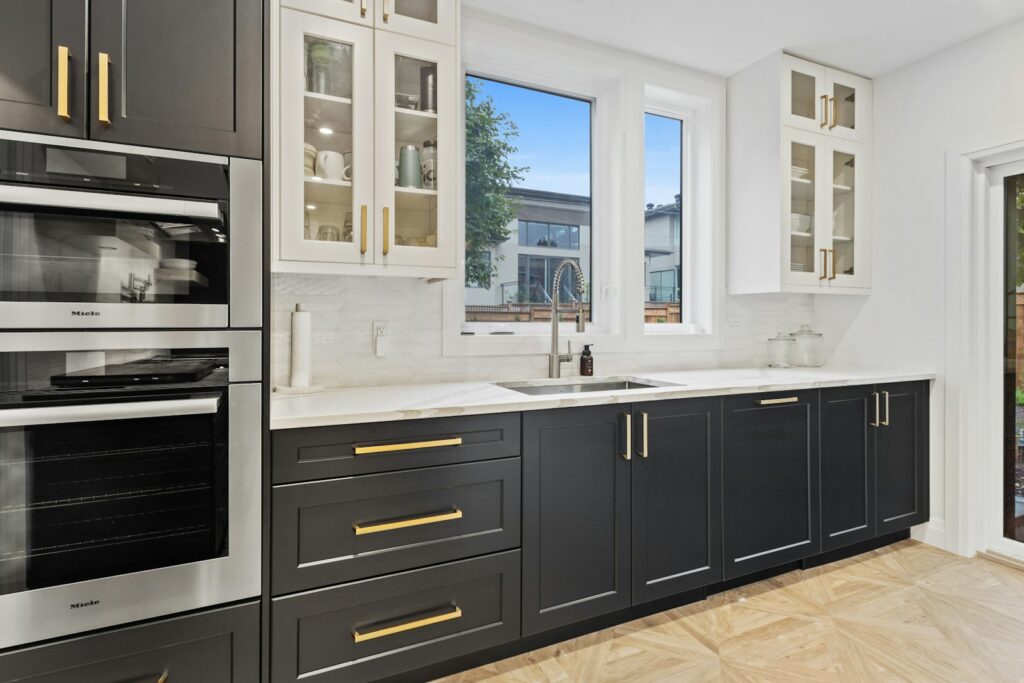
- Brushed brass or unlacquered brass — warm and increasingly popular, unlacquered brass develops a living patina over years that many find more appealing with age, echoing the same material logic covered in the art of mixing metals in interiors.
- Brushed nickel — a softer, warmer cousin of chrome, forgiving of water spots and fingerprints in a way polished chrome is not.
Whichever finish is chosen, consistency across a bathroom’s fittings — tap, shower fixture, towel rail, cabinet hardware — matters more to the finished look than the specific finish itself. A room mixing three different metal tones rarely reads as intentional, however handsome each individual piece.
Function First: Flow Rate and Water Pressure
It is easy to fall entirely for the look of a tap in a showroom and forget to ask the more mundane questions that determine whether it will actually perform well once installed. Flow rate, measured in litres per minute, affects both water pressure and long-term utility costs; a tap rated too low for a household’s daily habits will frustrate every single morning, however elegant its silhouette. Ask specifically whether a fitting is designed to work with the water pressure typical of Singapore’s HDB or condominium plumbing, since imported fittings designed for markets with different standard pressures can occasionally underperform once installed locally.
Basin-Matched Proportions
A tap should be chosen alongside the basin, not after it. A tall, waterfall-style tap can look striking on a deep vessel basin and splash uncomfortably on a shallow, flat one. Bring the basin’s dimensions, or ideally a photo, when selecting a tap, rather than choosing each independently and hoping they suit each other once installed.
Material and Build Quality
Solid brass construction, even beneath a chrome or matte finish, outperforms cheaper zinc-alloy fittings considerably over time, resisting corrosion and holding its finish for decades rather than years. This is not always obvious from a showroom display, where finish alone dictates first impressions, so it is worth asking directly about the base material and, where possible, the weight of the fitting in hand — solid brass has a noticeably substantial heft that alloy imitations rarely match.
“People renovate a bathroom every ten to fifteen years, but a cheap tap can fail within three,” notes one Singapore renovation contractor. “The fittings are the one place I tell clients not to economise.”
Coordinating Fittings With the Rest of the Room
Bathroom fittings work best considered alongside the room’s broader material palette rather than in isolation. A bathroom leaning into warm stone and timber tones suits brass or nickel far more naturally than stark chrome, while a cooler, more minimal palette of white and grey often calls for exactly that clean chrome or matte black finish. This is the same coordinating instinct behind choosing timeless kitchen cabinetry, where hardware finish is chosen to serve the whole room’s material story rather than stand apart from it.
A bathroom is also, for many, meant to function as a private retreat rather than a purely utilitarian space, and fittings play a real part in that atmosphere — a theme explored more fully in the bathroom as private sanctuary, where material choice throughout the room, fittings included, contributes directly to how restful the space feels.
Getting the Installation Right
Even the best fitting, chosen with genuine care, underperforms if installed poorly, and this is one area where it is worth paying for a genuinely experienced plumber rather than the cheapest quote available. Proper installation includes correct sealing to prevent the slow water damage that can occur invisibly behind a wall or beneath a basin, as well as ensuring water pressure is balanced correctly across hot and cold supply, a common source of ongoing frustration in older Singapore properties with ageing plumbing. Asking a contractor directly about their experience with a specific fitting brand, rather than assuming all installations are equivalent, is a small conversation that prevents a great deal of later frustration.
It’s also worth requesting any warranty documentation and keeping a simple record of what was installed and when, particularly for higher-end brassware. Many manufacturers offer meaningfully longer warranties than buyers realise, but only for properly registered, professionally installed fittings, which makes this modest bit of paperwork well worth the ten minutes it takes.
A Final Word on Longevity
Shower Fittings Deserve Equal Attention
Discussion of bathroom fittings tends to focus heavily on the basin tap, but shower fittings arguably work harder over a household’s lifetime and deserve equally careful selection. A thermostatic mixer, which maintains a consistent water temperature despite fluctuations elsewhere in the home’s plumbing, is worth the modest additional cost over a simpler manual mixer, particularly in a household with children or elderly residents where a sudden change in water temperature is more than a minor inconvenience. Rain shower heads look wonderful in photographs but are worth testing for actual water pressure and coverage before committing, since a beautiful fixture with weak flow disappoints daily in a way no amount of good design can offset.
Fittings are, unlike a sofa or a rug, genuinely difficult to change once tiling and plumbing are finished around them, which makes the initial decision more consequential than it might first appear. Choose finishes and styles with a longer horizon in mind, resisting whatever is most fashionable in this particular renovation cycle, and the bathroom will still look considered a decade on rather than dated within a few years. For more on getting a home’s hardest-working rooms right, our Homes & Culture section covers the rest of the house with the same attention to detail.
Priya tours the homes most people only glimpse from the road, and asks how they are really lived in.