How to Choose the Right Rug Size
A rug too small floats a room's furniture like a small island. Here is how to size one properly for a living room, bedroom, or a well-set dining table.
 By Priya Nair
30 August 2026 · 6 min read
By Priya Nair
30 August 2026 · 6 min read
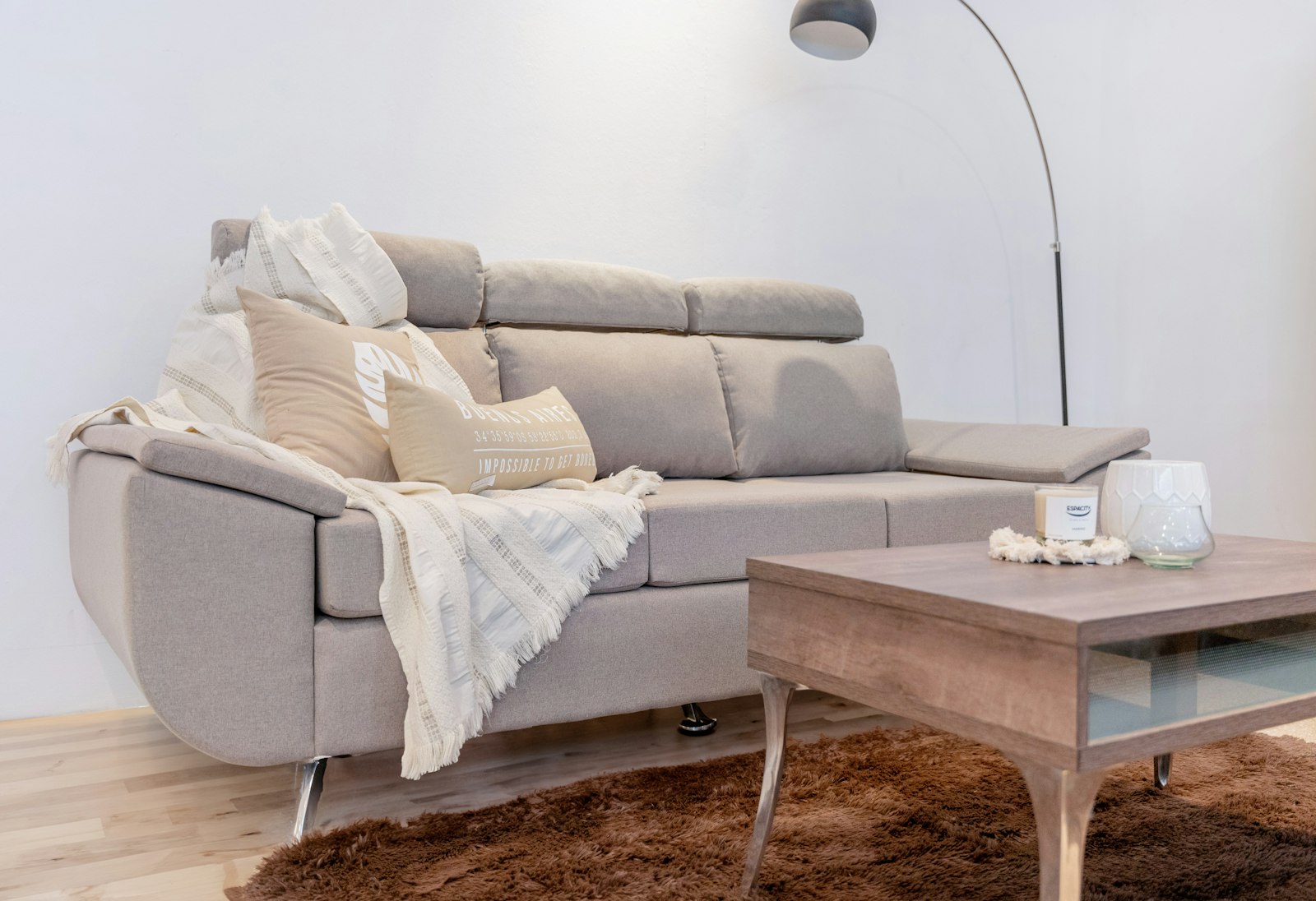
Of all the mistakes a considered home can make, an undersized rug is among the most common and the most quietly damaging. A rug too small for its room doesn’t ruin the space outright — it simply makes an otherwise well-furnished living room look slightly unfinished, as though the furniture is floating on an island rather than anchored to the floor beneath it. The fix, more often than not, is not a better rug. It is a bigger one.
Rug sizing is one of the more counterintuitive parts of furnishing a room, because the instinct to save money by buying smaller almost always backfires visually, while the “correct” size frequently feels larger than expected when first unrolled on the showroom floor.
The Living Room: Furniture Should Touch the Rug
The governing rule for a living room rug is straightforward: at minimum, the front legs of major seating — sofa, armchairs — should rest on the rug, and ideally all four legs of each piece sit on it. A rug that only the coffee table touches, with the sofa’s legs planted entirely on bare floor around it, is the single most common sizing mistake, and it’s the one that makes a room look pieced together rather than composed.
- Small living room — a rug sized so that front legs of the sofa and chairs rest on it, roughly 240cm by 170cm as a starting point.
- Medium to large living room — a rug large enough for the full seating arrangement to sit on it, typically 300cm by 200cm or larger, leaving a consistent border of bare floor around the edge.
- Open-plan spaces — a rug used to define the living area within a larger open-plan room should be sized generously enough to visually separate that zone, working alongside the same zoning logic covered in our piece on mixing old and new in a single room.
The Dining Room: Account for the Pulled-Out Chair
Dining rooms have their own specific sizing trap: a rug that fits the table beautifully but leaves chair legs catching the rug’s edge, or falling off it entirely, every time someone pulls back from the table. The rule here is to measure the table, then add at least 60 to 70 centimetres on all sides, enough for a chair to be pulled out fully while all four legs remain on the rug. Skipping this measurement is how a beautiful rug ends up permanently rucked at one corner within a month of use.
The Bedroom: Framing, Not Just Covering
A bedroom rug works differently again. Rather than needing to hold the entire bed, a rug positioned so it extends 60 to 90 centimetres beyond the sides and foot of the bed creates a soft landing for bare feet on both sides, without needing to run the full length under the frame. Two smaller runners on either side of the bed can achieve the same effect at lower cost, and often suit a room’s proportions better than one very large rug beneath a heavy frame, a decision worth weighing alongside choosing the right bed frame itself.
Layering Rugs for Texture
A single well-sized rug does most of the work in a room, but a smaller, textured rug layered on top of a larger neutral one can add warmth and visual interest without the cost of a single oversized statement piece. This layered approach is explored more fully in the art of the layered rug, and it’s a particularly useful technique in a rental or a home expected to change over the coming years, since the base layer can stay while the top layer evolves with taste.
“Clients almost always want to go smaller to save money, and it’s almost always the wrong call,” says one Singapore interior stylist. “A rug one size up from instinct is nearly always the right answer.”
Material Matters as Much as Size
Once size is settled, material should suit both the room’s use and Singapore’s climate. Natural fibres like wool hold shape and colour well but can feel warm underfoot; jute and sisal are cooler and more textural but less forgiving of spills. For a piece with genuine age and character, the case for vintage rugs makes a strong argument for choosing an older, well-made piece over a new one of comparable size, since vintage rugs are often available in the generous dimensions modern rooms actually need, at a comparable price to a smaller new one.
Rugs for Hallways and Entryways
Hallways and entryways follow a different sizing logic again, since these are long, narrow spaces rather than the roughly square proportions of most living rooms. A runner, rather than a standard rectangular rug, is almost always the right choice here, and the same over-sizing instinct applies: a runner should leave roughly 15 to 20 centimetres of bare floor visible on either side, rather than spanning the full width of the hallway wall to wall, which can look cramped and makes the space feel narrower rather than more finished. Length matters too; a runner that stops well short of a doorway at either end looks unfinished in the same way an undersized living room rug does.
Entryway rugs specifically also need to be chosen with durability in mind above pure aesthetics, since this is the highest-traffic, dirtiest section of floor in most homes. A tightly woven, low-pile material that can be vacuumed easily and doesn’t trap grit tends to outperform a plush, high-pile rug in this particular spot, however handsome the plusher option looks in a showroom.
Getting It Right the First Time
Before ordering, tape out the intended rug’s dimensions directly on the floor with painter’s tape and live with it for a day or two. This simple, nearly free step catches sizing mistakes that are far more expensive to correct once an actual rug has arrived. Get the size right, and even a modest rug will make a room feel considerably more finished than an expensive one sized too small. For more on furnishing a home with this kind of practical, considered attention, our Homes & Culture section covers the rest of the room.
Priya tours the homes most people only glimpse from the road, and asks how they are really lived in.