The Art of the Layered Rug
A single rug can look like an afterthought. Two, layered with intent, can anchor an entire room. Here is how to mix pattern, texture and scale properly.
 By Priya Nair
29 August 2026 · 6 min read
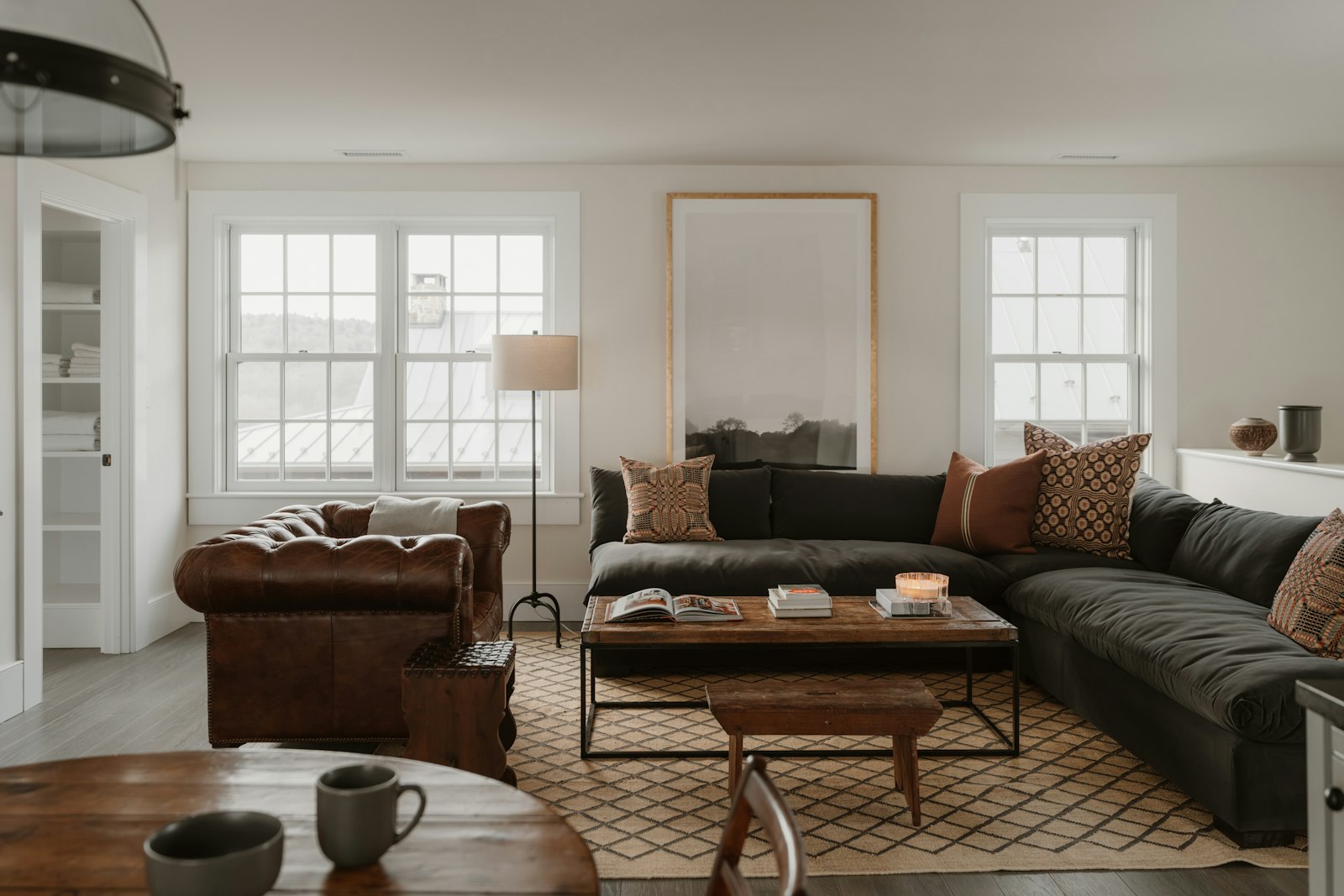
The layered rug is one of those design moves that looks effortless when done well and faintly ridiculous when done badly, which is precisely why so many homeowners avoid it altogether and settle for a single, safe rug centred beneath the coffee table. That caution is understandable but unnecessary. Layering rugs, approached with a little discipline, is one of the most effective ways to introduce warmth, texture and a sense of history into a room without touching a single piece of furniture — provided the underlying logic is understood before the first rug goes down.
Why Layer at All
The case for layering rugs is largely practical before it is aesthetic. A large, neutral base rug — often sisal, jute, or a flatweave in a natural fibre — anchors a room’s furniture arrangement and defines a seating zone, particularly useful in open-plan spaces where floor boundaries are otherwise unclear. A smaller, more decorative rug placed on top introduces the colour, pattern or texture that a large natural-fibre rug alone cannot provide, without the expense or risk of committing an entire room to a bold, patterned rug at full scale. This two-tier approach also solves a genuinely common problem: a single rug large enough to anchor a whole room is often prohibitively expensive in a genuinely beautiful weave, while a smaller decorative rug in the same quality is considerably more attainable.
Getting the Proportions Right
The base rug should be sized generously enough that all the furniture in a seating arrangement — or at least the front legs of each piece — sits on it, which prevents the arrangement from feeling like it is floating disconnected from the floor. The top rug, by contrast, works best noticeably smaller, typically covering 40 to 60 percent of the base rug’s area, positioned centrally or slightly off-centre beneath a coffee table. This size differential is what reads as intentional layering rather than simply two rugs that happen to overlap by accident.
- Position the top rug so its edges are clearly visible against the base rug on all sides, rather than aligning them so closely the layering effect is lost.
- Vary the shape where possible — a round top rug over a rectangular base, for instance, introduces additional visual interest without added cost.
- Keep pile heights in mind: a flat, low-pile top rug over a similarly low base avoids the tripping hazard a thick, plush rug stacked on another can create.
Mixing Pattern and Texture With Confidence
The instinct to keep both rugs in the same colour family is a safe starting point, but the most interesting layered arrangements often introduce genuine contrast — a muted, textural base beneath a boldly patterned vintage rug, for instance, or a striped flatweave beneath a solid, richly coloured wool piece. The principle mirrors the one explored in our piece on mixing metals in interiors: contrast reads as considered when one element clearly leads and the other supports, rather than both competing for equal attention.
Vintage and antique rugs are particularly well suited to the top layer, since their inherent imperfections and worn patches read as character rather than flaw when set against a crisp, uniform base rug beneath them.
“Layering rugs is really about storytelling,” a Singapore-based interior stylist told us. “The base is the sentence, and the top rug is the punctuation that makes people actually stop and look.”
Where Layering Works Best
Living rooms and reading nooks are the most natural homes for a layered arrangement, where a seating group benefits from both the grounding of a large base rug and the personality of a smaller decorative piece underfoot. Bedrooms can also benefit, particularly a layered runner beside the bed over a larger neutral base, softening the transition from a hard flooring material without requiring a full-room rug. Formal dining rooms, by contrast, rarely suit layering well, since the practical requirements of chairs sliding in and out favour a single, flat, easily cleaned surface over a stacked composition that can shift underfoot. The same principle of building texture in tiers carries naturally onto the mattress itself, as our guide to the art of the layered bed explains.
Care and Practical Considerations
Layered rugs in Singapore’s climate benefit from breathable, natural fibres for the base layer, since synthetic backing trapped against flooring can encourage moisture buildup in humid conditions. Non-slip rug pads between layers, rather than relying on the rugs’ own weight to stay in place, prevent the top rug from sliding underfoot over time, which is both a safety consideration and a way of keeping the carefully considered proportions from drifting out of alignment after a few months of foot traffic.
Approached with this level of care, a layered rug arrangement becomes one of the more affordable, reversible ways to transform a room’s character, easily refreshed by swapping the top layer alone rather than committing to an entirely new floor covering. For more ideas on furnishing a home with texture and restraint in equal measure, visit our Homes & Culture section, and consider how the same underlying logic applies to layering textiles elsewhere in the home.
Sourcing the Right Rugs
Building a layered arrangement rarely means buying two rugs at once from the same showroom. The most interesting compositions tend to be assembled gradually — a durable, well-made base rug bought first as a genuine investment, and a smaller, more characterful top layer found later, perhaps at a vintage market or from a dealer specialising in older, hand-knotted pieces. This slower, more considered approach to sourcing tends to produce a far more personal result than buying a matched pair off the shelf, and it fits naturally with the collector’s mindset this publication tends to admire — acquiring pieces over time rather than furnishing a room in a single weekend.
Budget need not be a barrier to a convincing layered look. A modestly priced flatweave base, chosen for durability and a neutral palette, can support a genuinely special vintage or antique top rug without either piece needing to be expensive on its own. The contrast between an unpretentious base and a more storied top layer is, in fact, often what makes the arrangement feel considered rather than simply costly.
When to Stop at Two Layers
While two rugs is the standard, most legible approach, some larger rooms can support a third, smaller accent rug — a small kilim beside a reading chair, for instance, distinct from the main seating arrangement entirely. This is advanced territory, though, and worth attempting only once the two-layer fundamentals feel genuinely settled and confident, since a third layer introduced too early tends to tip an otherwise considered room into visual clutter rather than added warmth.
Priya tours the homes most people only glimpse from the road, and asks how they are really lived in.