Choosing Timeless Kitchen Cabinetry
A kitchen is renovated once a decade, if that. A guide to choosing cabinetry that still looks considered ten years after this season's trend has moved on.
 By Priya Nair
30 August 2026 · 6 min read
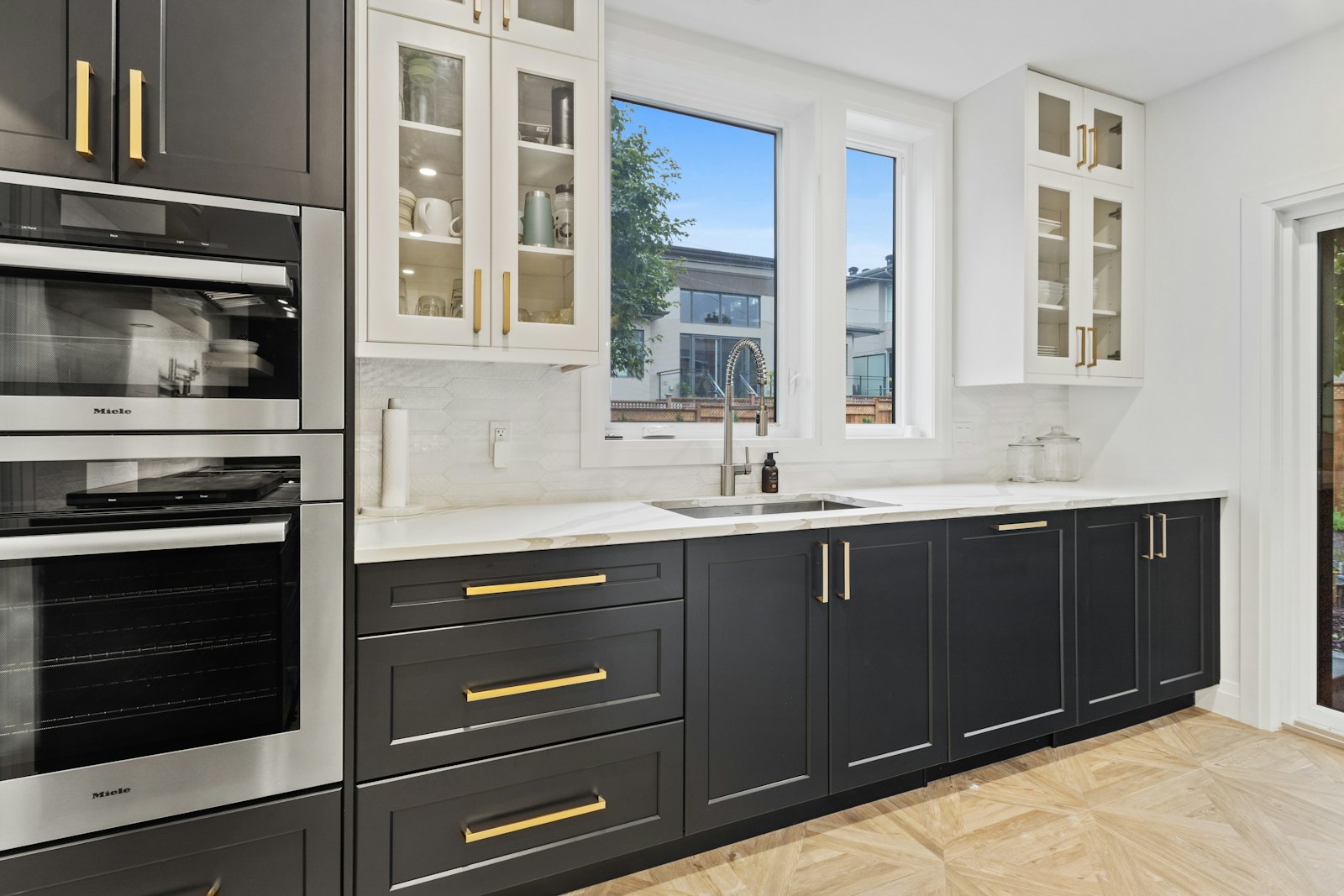
Of every decision made in a kitchen renovation, cabinetry carries the heaviest consequences, for two straightforward reasons: it consumes the largest share of the budget, and it is the single hardest element to change once installed. A cushion or a light fixture can be swapped on a whim; a full run of custom cabinetry represents years of commitment, whether the style ages gracefully or not.
This makes cabinetry precisely the wrong place to chase whatever finish or door profile is dominating this particular renovation cycle. The considered approach favours a style with genuine staying power, one that still looks intentional a decade on, long after a fashionable trend has quietly dated.
Door Styles That Have Earned Their Longevity
A handful of cabinet door profiles have proven themselves across decades of shifting interior fashion, and each remains a genuinely safe, considered choice rather than a compromise.
- Shaker — a simple recessed panel with clean lines, arguably the most versatile profile available, equally at home in a traditional or contemporary kitchen, and consistently popular for good reason rather than fad.
- Slab or flat-front — entirely flat, minimal doors, well suited to a contemporary kitchen, though the plainest versions can read as cold without careful attention to material and hardware to add warmth.
- Beadboard or framed panel — more traditional and textured, well suited to a period property or a home leaning into a more classic character, such as a black-and-white bungalow or a restored shophouse.
Genuinely ornate or heavily detailed profiles — elaborate raised panels, decorative mouldings — date the fastest of all cabinetry styles, however handsome they look in a single moment. If in doubt, the simpler profile nearly always ages better.
Material and Finish, Chosen for the Long Term
Solid wood cabinetry, whether oak, walnut, or a locally appropriate hardwood, remains the benchmark for longevity, capable of being refinished or repaired rather than replaced when it eventually shows wear. Painted cabinetry in a well-chosen neutral — soft white, warm greige, deep sage or navy for a bolder but still timeless statement — tends to outlast trend-driven colours considerably better than anything chasing this season’s specific paint shade.
Hardware deserves the same long-term thinking given to bathroom fittings and taps elsewhere in the home: a simple brass or matte black pull will still look considered in ten years, while a highly specific, trend-driven handle shape often will not.
The Kitchen Island’s Special Case
An island, if the kitchen has one, can afford slightly more personality than the surrounding cabinetry, since it functions as the room’s centrepiece rather than its backdrop. A contrasting cabinet colour or a different material on the island alone — while keeping the perimeter cabinetry more restrained — is a well-established way to introduce character without risking the whole kitchen’s longevity, a distinction explored further in the kitchen island, reconsidered.
Storage That Suits How People Actually Cook
Timelessness is not only about appearance; a genuinely well-designed cabinet layout, with storage suited to how a household actually cooks, ages better functionally as well as visually. Deep drawers for pots and pans generally outperform traditional lower cabinets with fixed shelving, since nothing needs to be excavated from the back. Households that cook seriously and often benefit from the kind of layout discussed in kitchens designed for people who cook, where function is prioritised over purely decorative cabinetry from the outset.
“People renovate a kitchen once, maybe twice, in a lifetime,” notes one Singapore kitchen designer with decades in bespoke cabinetry. “I always ask clients to imagine the kitchen in ten years, not just in the render they’ve fallen in love with.”
Open Shelving as a Complement, Not a Replacement
A small section of open shelving, used sparingly alongside closed cabinetry, can soften an otherwise fully enclosed kitchen and introduce a display element for good glassware or ceramics, as covered in how to style open shelving in the kitchen. Used as the kitchen’s sole storage strategy, however, open shelving demands considerably more ongoing tidiness than most busy households can realistically sustain, so it works best as an accent rather than the rule.
Living With Cabinetry Day to Day
Beyond the initial design decision, a small amount of ongoing care keeps even the most timeless cabinetry looking considered for its full intended lifespan. Painted cabinetry, in particular, benefits from gentle, non-abrasive cleaning products, since harsher chemicals can dull a finish over years of regular wiping down near a stove or sink. Solid wood cabinetry appreciates an occasional light conditioning treatment, much the way good leather furniture does, to prevent the wood from drying out under Singapore’s air-conditioned indoor climate, which tends to be considerably drier than the humid air just outside.
Hardware, too, deserves periodic attention; a loose hinge or handle left unaddressed for months can eventually damage the cabinet door itself, turning a two-minute tightening job into a more involved repair. Building these small habits into an ordinary household routine is, in the end, what actually delivers on cabinetry’s promise of longevity, rather than the door profile or finish doing all of that work alone.
Designing for a Decade, Not a Season
A Note on Trends Worth Ignoring
Every renovation cycle brings a fresh cabinetry trend presented as the obvious, inevitable choice, and a genuinely considered kitchen benefits from a healthy scepticism toward whatever is currently everywhere in renovation photos. High-gloss lacquer finishes, once ubiquitous, now read distinctly of a particular decade; the same will likely be true of whatever finish dominates today’s inspiration boards a decade from now. This isn’t an argument against any contemporary finish outright, simply a reminder to ask, honestly, whether a specific choice is loved for its own qualities or borrowed largely from what’s currently fashionable, since only the former tends to survive a full kitchen’s working lifetime with any real satisfaction.
The considered approach to kitchen cabinetry is, in the end, a discipline of restraint: choose a proven door profile, a durable material, and a neutral, well-considered colour, then let personality show through hardware, an island accent, or open shelving details that are far cheaper to update later than a full cabinet run. For more on furnishing a home with this same long view in mind, our Homes & Culture section covers the rest of the house.
Priya tours the homes most people only glimpse from the road, and asks how they are really lived in.