The Considered Home Cinema
A home cinema is more than a large television and a dark room. Here is how acoustics, seating and light control separate a considered space from a gadget.
 By Priya Nair
29 August 2026 · 6 min read
By Priya Nair
29 August 2026 · 6 min read
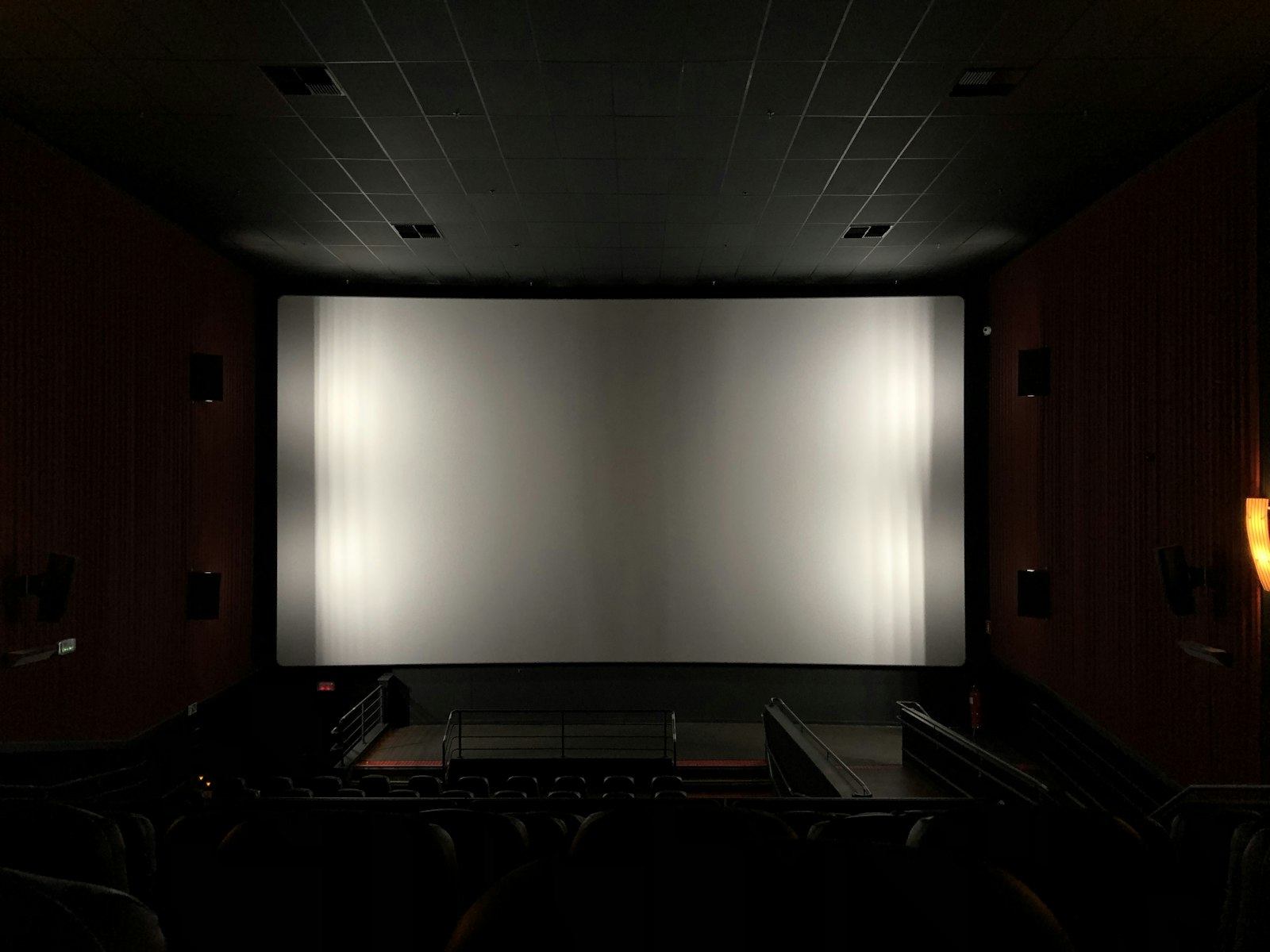
A home cinema is one of the more misunderstood rooms in a considered renovation, frequently reduced in the planning stage to a single decision — the size of the screen — when the elements that actually determine whether the room gets used regularly have almost nothing to do with the display itself. The best home cinemas in Singapore’s better homes function less like a large television in a dark room and more like a genuinely composed environment, where acoustics, seating and light control have all been considered with the same seriousness usually reserved for a living room or kitchen.
Start With the Room, Not the Screen
Before any equipment is chosen, the room’s own architecture deserves attention. A dedicated, enclosed space performs considerably better than an open-plan media corner, both acoustically and in terms of light control — daylight bleeding into a screening room is the single fastest way to undermine even an excellent projector’s image quality. Where a fully enclosed room is not available, heavy blackout curtains or motorised blinds can approximate the same effect in a multi-purpose space, though the compromise in both sound and picture quality compared with a dedicated room is real and worth understanding upfront.
Room proportions matter more than most homeowners expect. A roughly rectangular room, avoiding perfectly square dimensions that create problematic sound reflections, gives an acoustic treatment considerably more to work with than an oddly shaped or heavily glazed space repurposed at the last minute.
Acoustics Deserve the Real Investment
If there is one area worth prioritising budget towards over a larger screen, it is acoustic treatment. Hard, reflective surfaces — glass, tile, bare plaster — scatter sound unpredictably and undermine even an expensive speaker system’s clarity. Soft furnishing, dedicated acoustic panels, and a substantial rug all absorb and control that reflection, producing noticeably clearer dialogue and more precise sound staging than an identical system in an untreated room. This is genuinely one of those cases where a modest investment in unglamorous treatment outperforms a considerably larger spend on visible equipment.
- Wall-mounted acoustic panels, upholstered to match the room’s palette, treat sound without looking overtly technical.
- A substantial rug beneath the seating area absorbs low-frequency reflection that hard flooring otherwise amplifies.
- Door seals and sound insulation in the walls prevent both noise escaping to the rest of the home and outside sound intruding during a screening.
Seating That Earns the Room
Seating is where a home cinema most visibly differs from a standard living room, and it is worth resisting the temptation to simply install oversized reclining chairs purely because they look the part in a showroom. Genuine comfort over a two-hour film matters more than dramatic styling, and tiered seating — even a modest platform raising the back row by 15 to 20 centimetres — dramatically improves sightlines for anyone not seated in the front row. This is a detail frequently skipped in smaller home cinemas, and one that is considerably more expensive to retrofit than to plan from the outset.
Material choice for seating should account for a room used primarily in darkness, where spills and snacks are more likely than in a formal living room; a durable, easily cleaned upholstery serves the room’s actual use better than delicate fabrics chosen for appearance alone.
Lighting for Before and After the Film
A home cinema needs at least two distinct lighting states: fully dark for screening, and a warmer, dimmable option for the moments before and after, when guests are arriving, settling in, or lingering to discuss what they have just watched. LED strip lighting along the floor or ceiling perimeter, on a separate dimmable circuit from any overhead fixture, achieves this without requiring anyone to fumble in complete darkness between seats. This is a small detail, but one that meaningfully affects how comfortable and considered the room feels beyond the screening itself.
“People spend a fortune on the projector and forget the room has to be enjoyable to simply sit in for the twenty minutes before the film even starts,” a Singapore audiovisual consultant told us.
A Room That Serves More Than Film Night
The most successful home cinemas in Singapore’s larger homes are designed with enough flexibility to serve other purposes — a space for watching sport with friends, a quiet room for a video call away from the rest of the household, or simply a darker, cooler retreat during the hottest part of the day. Building in comfortable, genuinely usable seating and considered acoustics pays dividends well beyond the occasions the room was originally conceived for, much like the reasoning behind designing a calm, screen-free living room elsewhere in the house — both rooms, in their own way, are about being genuinely deliberate about where and how a household chooses to spend its evenings.
Equipment Choices Worth Getting Right
Screen technology is a genuinely fast-moving category, and specific model recommendations date within a year or two, but a few underlying principles remain stable regardless of brand or generation. Projection suits a dedicated, fully dark room better than a large flat panel, offering a more genuinely cinematic scale for a modest incremental cost over a comparably sized television. In a room that must double as a bright, everyday space, however, a high-brightness panel display will perform far more reliably than a projector fighting ambient light, even if the ultimate image feels less dramatic in scale.
Speaker placement deserves the same care as seating layout. A well-configured surround system, professionally calibrated to the room’s actual dimensions, will consistently outperform a more expensive system installed without proper attention to speaker positioning and room acoustics. This is an area where a modest consultation fee with an audiovisual specialist, ahead of purchasing equipment, frequently saves considerably more than it costs by preventing an expensive, poorly matched system from being installed in the wrong configuration for the room.
Cabling and Future-Proofing
Because a home cinema’s equipment will likely be upgraded well before the room itself is renovated again, running generous, accessible cable conduits during the initial build avoids the need to open walls again for a future upgrade. This is easy to overlook amid decisions about seating and screens, but it is one of the most consequential long-term planning choices a genuinely considered home cinema build can make, and one of the cheapest to address while the room is already under construction.
For more on designing rooms around real, considered use, visit our Homes & Culture section, and see our guide to choosing hardware and fittings for the same level of unglamorous, essential detail applied elsewhere in the home.
Priya tours the homes most people only glimpse from the road, and asks how they are really lived in.