Why the Yorkshire Wolds Reward the Slow Traveller
Chalk hills, hidden dry valleys and empty lanes make the Yorkshire Wolds England's quietest upland. Here is why they reward the traveller who slows right down.
 By Marcus Lim
2 September 2026 · 6 min read
By Marcus Lim
2 September 2026 · 6 min read
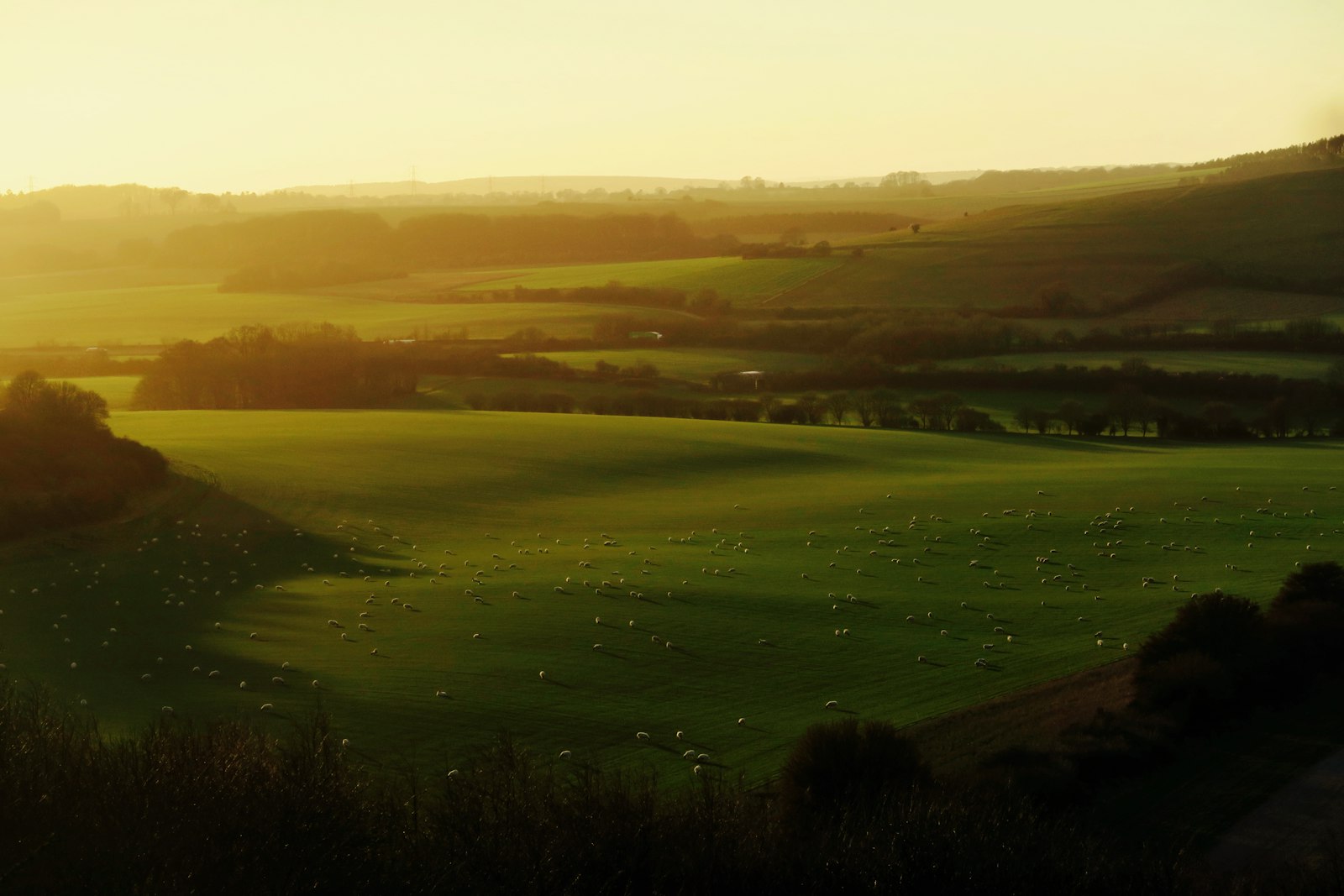
Most travellers to Yorkshire head for the Dales or the Moors, and so the Wolds are left alone, which is exactly their quiet good fortune. This gentle range of chalk hills in the county’s east is England’s least-celebrated upland, a landscape of rounded green ridges, sudden dry valleys and lanes that seem to carry no one at all. There are no famous peaks here, no queue for a view. What there is, in abundance, is space and silence, and for the traveller willing to slow down, that turns out to be the rarest luxury of all.
The Wolds do not shout. Their beauty is a matter of subtle form and huge sky, of light moving across bare hillsides, and it will not reveal itself to anyone in a hurry. This is not a landscape to be ticked off between other places; it is one to be settled into, at walking pace, over unhurried days. Understood that way, it becomes quietly unforgettable.
A landscape of chalk
Everything distinctive about the Wolds comes from the chalk beneath. Chalk drains freely, so the hills are dry and grassy rather than boggy, their slopes smooth and rounded where other uplands are rough and rocky. The chalk also carves the landscape’s signature feature: the dry valleys, deep, green, sinuous folds cut by meltwater at the end of the last ice age and now silent, without a stream in sight. To walk down one is to descend into a hidden, sheltered world, out of the wind and away from every sign of the age.
This gentle, secretive geology gives the Wolds a character quite unlike Yorkshire’s better-known uplands, and it places them among the quiet corners of Britain we cherish across our Travel & Stays pages. If you are drawn to England’s understated hill country, our note on why the North York Moors reward the slow traveller makes a fine companion, a wilder neighbour to the Wolds’ soft chalk.
Walking as the way in
The Wolds are made for walking, and walking is the only honest way to know them. A long-distance path threads the length of the range, but you need not tackle it whole; a day’s amble along the ridges and down into the dry valleys is enough to feel the landscape’s rhythm. The paths are gentle, the gradients kind, and the rewards constant: the sudden reveal of a hidden valley, a lark rising, a village of pale stone tucked into a fold, a view that runs for miles across the plain to the sea.
The Wolds give you the one thing the modern world has made hardest to find: a whole day in which almost nothing happens, beautifully.
This is slow travel in its purest form, the reward measured not in sights seen but in quiet absorbed, and it is the same reward we describe in our piece on why the Peak District rewards the slow traveller.
The villages and the tables
Scattered through the Wolds are villages of a particular, understated charm: pale stone and pantile, a green, a church, a pub. They are working places rather than showpieces, and the better for it. Here the slow traveller finds the practical pleasures of a day outdoors: a fireside lunch, a pint of local ale, a bed for the night in a village inn or a converted farm building.
- Base yourself in a Wolds village and walk out each day rather than driving between sights.
- Eat what the region raises, the beef, the game, the vegetables, cooked simply in a good pub.
- Time your walks to the light, since the Wolds are at their most beautiful in the low sun of morning and evening.
The food is honest East Yorkshire cooking, unpretentious and generous, the natural refuelling for days spent on foot. It suits the character of the place, which rewards the plain and the genuine over the fashionable, in much the way the stays we describe in the case for the converted barn stay do.
The road to the sea
One of the quiet surprises of the Wolds is where they end. Follow the chalk east and the hills roll gently down toward the coast, where they meet the North Sea in a run of dramatic cliffs and wide, empty beaches. The transition is sudden and lovely: the sheltered, secretive valleys give way to huge horizons and the cry of seabirds, and a day’s walk can carry you from deep inland calm to the edge of the sea. Few upland landscapes offer that reach, and it adds another dimension to what already feels a generous country.
This meeting of chalk and coast is worth building a day around. Time a walk to end at the cliffs in the late afternoon, when the light is low and the seabirds are wheeling, and you will understand something about the Wolds that a purely inland visit misses, the sense of a landscape with a beginning and an end, running quietly from the plain to the sea. It is the kind of understated drama the Wolds specialise in: never showy, always earned by the walking.
The case for going slow
The Wolds resist the hurried visitor almost by design. There is no headline sight to race to, no famous view to photograph and leave. Try to do them quickly and you will find nothing much at all. Give them time, though, and they open completely: the huge skies, the hidden valleys, the empty lanes, the deep and genuine quiet.
That is the paradox at the heart of the place, and its lesson. In a landscape where nothing demands your attention, you finally have room to pay attention to everything, the light, the birds, the shape of a hill, your own slowing thoughts. The Yorkshire Wolds reward the slow traveller because they are, in truth, only available to one. Come with time to spare and a willingness to do nothing in particular, and this quiet chalk country will give you back something the busier places never can. It is, in the truest sense, a landscape for the connoisseur of quiet, and once you have learned to read it you will find yourself returning, again and again, to its empty and generous hills.
Marcus writes on travel and hospitality across Asia, and is happiest a long way from a lobby.