Why the Tropical-Dial Watch Captivates Collectors
A black dial that has faded to warm chocolate is one of collecting's great accidents. Here is why the tropical dial charms, and how to read one honestly.
 By Daniel Koh
2 September 2026 · 6 min read

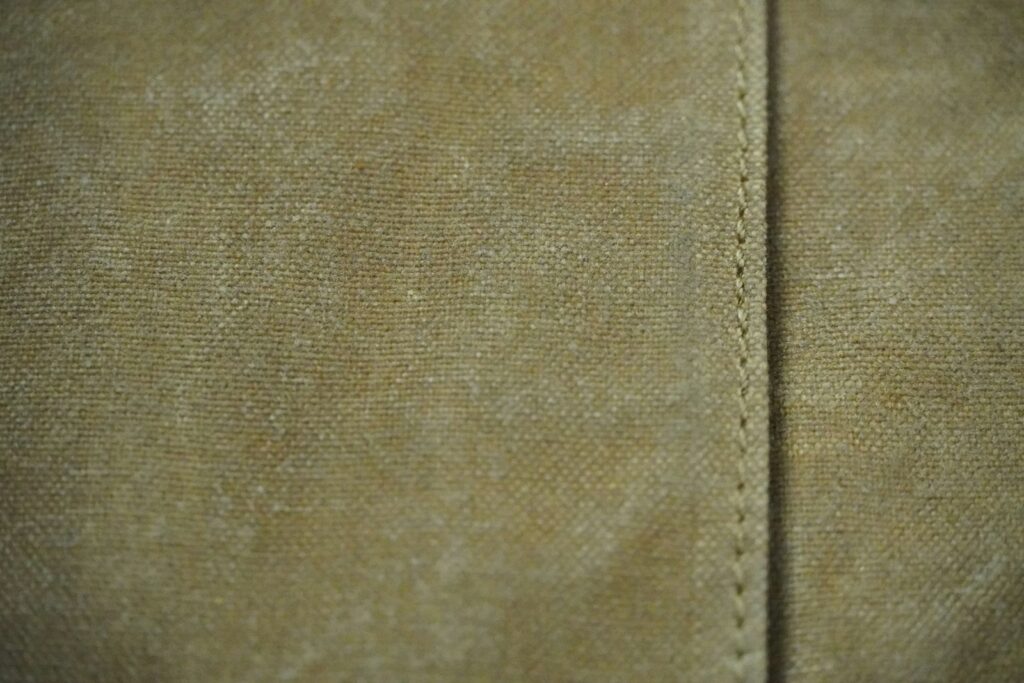
There is a particular brown that makes seasoned collectors lean in. It is not a colour anyone chose. Decades ago a dial left the workshop a confident, even black, and then it lived a life, on wrists in bright places, in drawers near windows, under the slow, patient work of ultraviolet light. Over years the black warmed, unevenly and unrepeatably, into chocolate, tobacco, sometimes a russet close to bronze. That accidental warmth is the tropical dial, and it has become one of the quiet obsessions of vintage watch collecting.
The appeal is easy to feel and harder to explain. A tropical dial is a flaw the market decided to love, a manufacturing weakness reframed as beauty. To understand why it captivates, you have to hold two ideas at once: that it is damage, and that it is now among the most sought-after damage in the whole of horology.
What actually happens to the dial
The chemistry is unglamorous. Older dial lacquers were mixed to formulas that varied from batch to batch, and some carried pigments or binders less stable than others. Exposed to sunlight and warmth over long stretches, those less stable blacks broke down and shifted hue. Because no two watches led the same life, no two tropical dials faded the same way. One warms evenly to a milk-chocolate glow; another blotches like weathered leather; a third fades only at the edges where light reached hardest.
That randomness is central to the charm. A pristine black dial is a repeatable industrial object. A tropical dial is a single copy, edited by circumstance into something the maker never intended and could never make again. Collectors, who spend their lives chasing the specific, find that irresistible. The same instinct draws them to other faces the market has learned to read closely, such as those we discuss in why the salmon-dial watch charms collectors.
Why warmth reads as soul
Part of the pull is simply that brown flatters. A warm dial softens the whole watch, throwing metal cases and cream indices into gentle relief and pairing beautifully with aged leather. It photographs like an old photograph, which in the age of the shared image is no small thing. But the deeper appeal is narrative. A tropical dial wears its history on its face. It is proof of decades, of sunlight and wrists and time, and it carries that proof in a way a service-fresh watch never can. Warmth of a different kind draws collectors to earlier dials, as our piece on why the gilt-dial watch beguiles collectors explains.
A tropical dial is the rare object that is worth more for having aged badly than for having been kept perfectly.
This is a value system peculiar to vintage. Elsewhere in life we prize the unmarked and the mint. Here the market inverts that instinct, and pays a premium for graceful decay, in much the way it does for the honest patina we admire in leather across our Style & Watches pages.
Reading a tropical dial honestly
Because tropical dials command real money, they attract real fakery. Ovens, chemicals and ultraviolet lamps can force a black dial toward brown in weeks, and telling an honest fade from a hurried one is the collector’s true skill. A genuine tropical fade tends to be uneven in a way that follows a plausible life: warmer where light reached, cooler in shadowed corners, consistent with the wear on the case and hands around it.
- Look for agreement. A faded dial on a suspiciously crisp case is a story that does not hang together.
- Study the lume. Original luminous plots usually age in sympathy with the dial, warming to the same family of tones.
- Distrust perfection. An evenly, beautifully browned dial with no other signs of age deserves more scepticism, not less.
This is close reading of the kind we describe in our wider dial literacy, and it rewards patience. The market for these faces has grown noisy, and a warm dial has become a shortcut to desirability, which is exactly why a cool head matters most when the colour is at its most seductive.
A taste that took time to form
It is worth remembering that the tropical dial was not always prized. For decades a faded dial was simply a spoiled one, marked down or replaced at service with a crisp new part, and countless originals were lost that way. The affection is relatively recent, born as collectors grew more sophisticated and began to value originality and character over factory freshness. In that sense the tropical dial is a barometer of how the whole field has matured, from a hunt for the mint to a hunt for the honest.
That maturing taste now extends across the dial in all its variety, from faded blacks to the vivid faces we admire in why the California-dial watch wins hearts, and even to the divisive materials we weigh in why the bronze watch divides opinion, another instance of the market learning to love a surface that changes with time. What unites them is a preference for watches that show their age with grace rather than hiding it.
Living with one
If you own a tropical dial, the paradox continues on the wrist. The very light that created its beauty will keep changing it, and there is no freezing the colour where you found it. Most owners make a quiet peace with this, wearing the watch and accepting that its fade is a process, not a state. Storing it away in the dark to preserve the tone rather misses the point of a watch that earned its character by being lived with.
What a tropical dial offers, in the end, is a different relationship with time, one that runs the other way. Every other complication measures time going forward. A tropical dial measures time already spent, written into the face in warm, irreversible brown. That is a strange and lovely thing to carry on a wrist, and it explains why collectors who could buy anything so often reach, instead, for a black dial that forgot how to stay black. The market may cool on many things, but its affection for honest, sunlit decay looks likely to keep its warmth.
Daniel has spent fifteen years arguing that the best watch is the one you never take off.