Why Lime Plaster Belongs in Modern Homes
Breathable, hand-worked and quietly luminous, lime plaster gives a wall a depth flat paint cannot. Why this ancient material belongs in the modern home.
 By Priya Nair
1 September 2026 · 6 min read
By Priya Nair
1 September 2026 · 6 min read
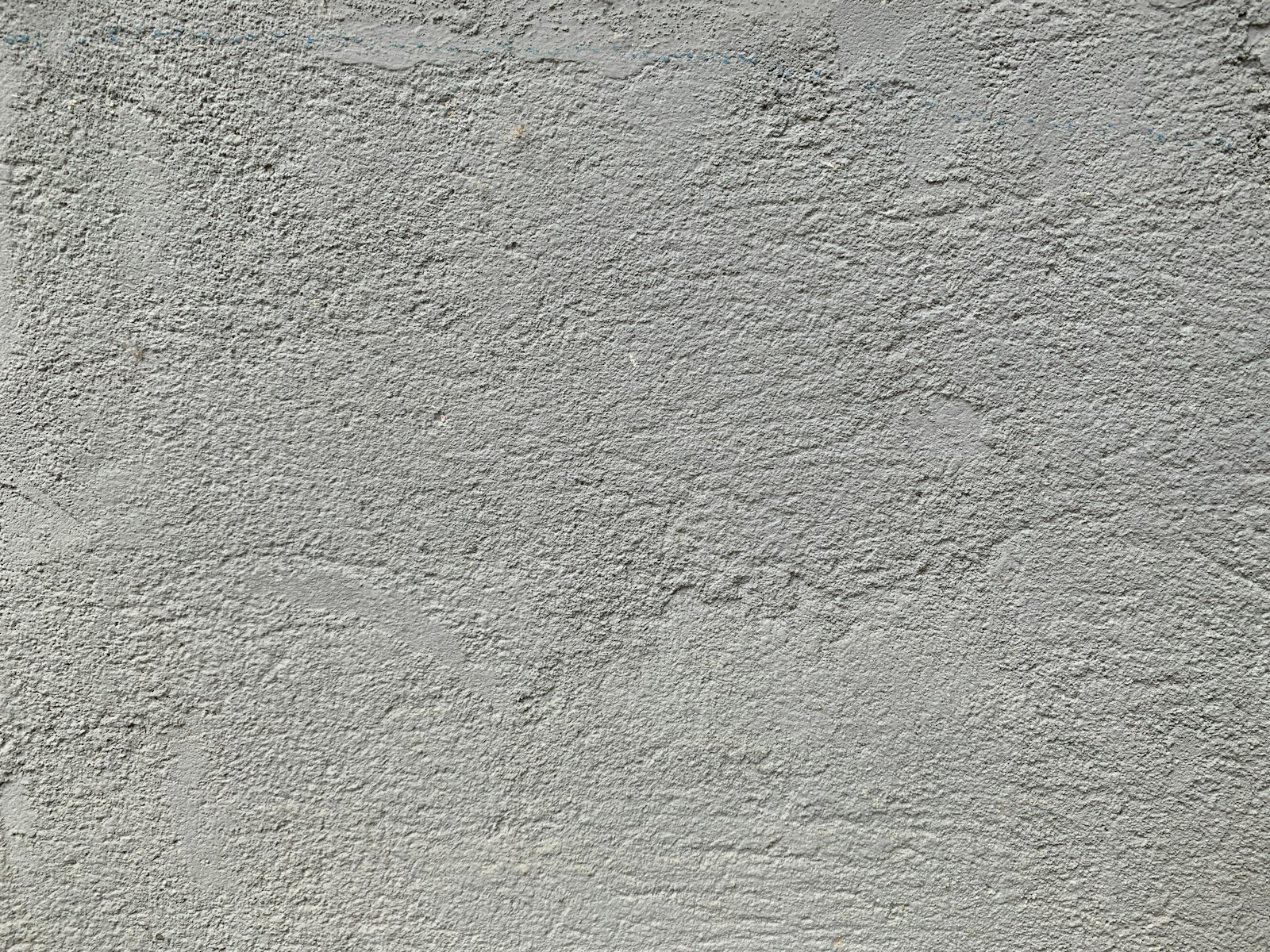
Run your hand across a lime plaster wall and you feel something a painted surface can never offer: a slight variation in temperature and texture, a depth that seems to hold light rather than merely reflect it. Lime plaster is one of the oldest wall finishes in continuous use, spread across the Mediterranean, North Africa and beyond for millennia, and after decades of being displaced by cheaper, flatter alternatives it is quietly returning to the modern home. The reasons are practical as much as aesthetic, and once you understand them the material’s revival looks less like fashion and more like common sense.
A wall that breathes
The defining quality of lime plaster is that it is vapour-permeable. Unlike a sealed skin of modern paint or gypsum, a lime wall allows moisture to move through it, absorbing humidity when the air is damp and releasing it when the air is dry. In a tropical climate, or in any home prone to condensation, this is not a minor virtue. It helps regulate the feel of a room, discourages the mould that thrives behind impermeable surfaces, and keeps a wall healthier over the long term. The material works with the building rather than sealing it in plastic.
This breathability makes lime especially suited to older buildings, whose solid walls were designed to manage moisture in exactly this way. Anyone restoring a period property — a black-and-white house, a shophouse, a masonry cottage — will find that lime is not merely a choice but often the correct one. It is the same logic that guided the sensitive conversion of a shophouse reborn in concrete and teak, where materials were chosen to suit the building’s constitution rather than fight it.
Depth that paint cannot fake
The visual appeal of lime is harder to quantify but immediately felt. Because it is applied by hand in thin coats and burnished as it cures, the surface holds subtle tonal variation — a cloudiness, a movement, a faint luminosity that shifts with the light through the day. A lime wall is never quite flat and never quite uniform, and this is precisely its charm. It reads as a made thing, bearing the trace of the hand that worked it, in contrast to the dead evenness of roller-applied paint.
This quality places lime firmly within the contemporary interest in surface and tactility, part of a broader move towards designing with texture, not just colour. A room whose walls have genuine depth needs far less decoration to feel rich, because the surfaces themselves are doing the work.
A lime wall is not painted so much as grown — built up in coats, burnished by hand, and left to carry the marks of its own making.
Tadelakt and the waterproof wall
The most seductive member of the lime family is tadelakt, the polished, water-resistant plaster developed in Morocco. Burnished with a smooth stone and sealed with soft soap, tadelakt achieves a seamless, faintly waxy surface that can be used in bathrooms and even shower enclosures, curving over corners without a single grout line. The effect is sensual and monolithic, a single continuous skin of colour and sheen.
For those weighing surfaces in a wet room, tadelakt offers an alternative to the ubiquitous tile — jointless, hand-made, quietly luxurious. It is worth setting against the more conventional options covered in the best materials for timeless bathroom tiles, not as a replacement for tile in every case, but as the choice when a seamless, artisanal finish is what the room wants.
Working with a living material
Lime demands more of the people who apply it than modern plasters do. It is slower, it must be worked in stages, and it rewards a skilled hand. This is a cost, but it is also part of the point: the material is inseparable from craft, and a good lime finish is the product of genuine expertise rather than a bucket and a roller. Homeowners who value the input of makers tend to find this a feature rather than a burden.
Lime also ages honestly. It does not peel or blister; it wears, softening and mellowing over years, developing the kind of patina that a good stone floor or a well-oiled table acquires. It can be patched and reworked rather than stripped and replaced. In a culture increasingly tired of disposable finishes, this longevity is part of the appeal.
A quieter, softer light
One quality of lime that is easy to overlook until you live with it is what it does to light. Because the surface is faintly irregular and mineral rather than plastic, it scatters daylight softly across a wall, avoiding the flat, slightly dead reflection of modern emulsion. A lime wall seems to glow gently in morning light and to deepen in the evening, giving a room a subtle, shifting atmosphere over the course of the day. It is the difference between a wall that merely holds a colour and one that seems to hold light itself.
This makes lime especially rewarding in rooms where you spend unhurried time — a bedroom, a study, a long hallway that catches the afternoon sun. The colour, too, has a depth that comes from pigment mixed through the plaster rather than painted onto its surface, so that scuffs and wear reveal more of the same tone beneath rather than a jarring undercoat. It is a finish that forgives daily life and improves under it, which is precisely the quality a home lived in for the long term needs most. Once you have felt the difference, the flat perfection of modern paint begins to look like a poor bargain.
The case for choosing it now
Lime plaster is not the cheapest way to finish a wall, nor the fastest. But it is breathable, durable, repairable and quietly beautiful in a way no synthetic coating can imitate. It suits old buildings and flatters new ones, regulates a room’s atmosphere, and carries the mark of the hand. For a home built to be lived in slowly and to age well, it belongs on the shortlist. The Homes & Culture archive holds more on materials chosen for the long term rather than the quick effect.
Priya tours the homes most people only glimpse from the road, and asks how they are really lived in.