
Why a Navy Knit Tie Works Year-Round
Why a navy knit tie is the most versatile neckwear you can own, working across seasons and occasions, and how to wear the knitted tie with understated style.
 By Daniel Koh
1 September 2026 · 6 min read
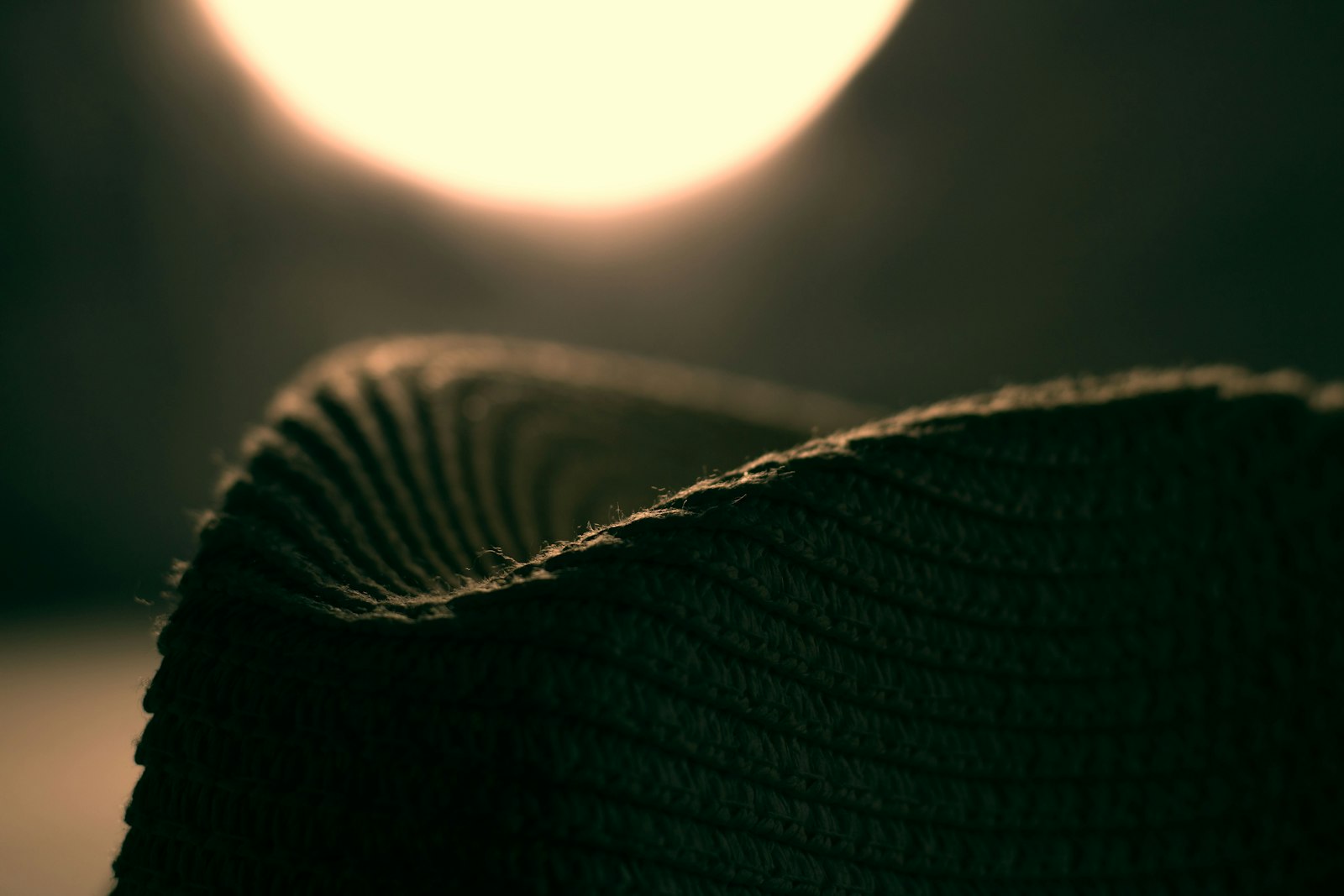
If a man were allowed only one tie, a strong case could be made that it should be a navy knitted one. It is not the flashiest choice, nor the most formal, but it is very possibly the most useful, a piece of neckwear that works across seasons, occasions and outfits with a quiet, texture-rich charm that a plain silk tie cannot quite match. It is the tie that makes getting dressed easier, which is a rarer virtue than it sounds.
What sets a knit tie apart
A knitted tie is exactly what it sounds like, a tie knitted from yarn rather than cut and folded from woven silk. That construction gives it a distinctive character: a matte, textured surface instead of a sheen, more body and a little stretch, and, most recognisably, a flat, squared-off end rather than the usual pointed blade. It is inherently a touch more relaxed than a formal silk tie, which is precisely where its versatility comes from.
Texture is the quiet secret of good dressing, the thing that adds interest without drawing attention, and a knit tie is texture in its most useful form. The same instinct that values a textured weave in tailoring, or admires the grenadine tie for its open, tactile finish, applies here in full.
Why navy above all
Colour is where the navy knit earns its crown. Navy is the most versatile colour in menswear, near-neutral, flattering to almost every complexion, and at home with nearly every other colour and cloth. A navy knit tie sits happily against a white shirt, a blue one, a check, a stripe. It works with grey flannel, with brown tweed, with a linen jacket in summer. There is almost no jacket-and-shirt combination it cannot quietly complete.
Navy is the closest thing menswear has to a universal solvent. In a knitted tie, it becomes the single piece of neckwear you can throw on with anything and know it will work.
Where a bold or patterned tie demands to be matched carefully, the navy knit asks nothing. It simply works, which is why it is the tie to reach for when you have neither the time nor the inclination to deliberate. It pairs as naturally with a summer linen suit as it does with winter flannel.
A tie for all seasons
The knit tie’s reputation as a warm-weather piece is only half the story. Certainly a cotton or linen knit is a summer joy, breathable and casual, at ease with an unstructured jacket and an open collar. But a knitted tie in silk, or in a fine wool, carries just as happily into autumn and winter, its texture echoing the heavier cloths of the cold-weather wardrobe.
That year-round range is what makes it such good value. One well-chosen navy knit, in silk for its all-season versatility, covers an enormous amount of ground, from a relaxed summer lunch to a smart-casual winter dinner. It travels well too, resisting creases far better than a woven silk tie, which flatters anyone who lives out of a bag.
How to wear it
The knit tie looks its best when the rest of the outfit honours its relaxed, textured character. It sits more naturally with softer, less formal tailoring than with a sharp business suit, though it can gently dress down even the latter. A few reliable moves:
- With a white oxford shirt and a tweed or unstructured jacket, texture answering texture.
- Under a fine crew-neck knit in cold weather, just the squared end showing.
- With a soft blue shirt and grey flannels, for easy, unshowy smartness.
Tie it in a simple four-in-hand for a slim, slightly imperfect knot; the knit’s body means a bigger knot quickly looks bulky. And let the flat end sit where it falls; its bluntness is a feature, not a flaw.
The one to own
If you are building a wardrobe with intention, buying fewer and better things that work hard and last, the navy knit tie is close to essential. It is inexpensive relative to its usefulness, endlessly versatile, and impossible to look try-hard in. It is the neckwear equivalent of a good white shirt or a navy blazer, a quiet foundation the rest can be built around.
Material, and caring for a knit tie
The yarn a knit tie is made from shapes both its character and its versatility, so it is worth understanding the choices. Silk is the most useful all-rounder, with just enough sheen to keep it from looking too casual and enough body to hold a neat knot, and it carries across the seasons better than any other fibre. Wool and cashmere knits are warmer and more textured, natural companions to autumn and winter tailoring, while cotton and linen knits are lighter, more matte and more relaxed, made for summer and for dressing down. For a single tie to do the most work, silk in navy is the obvious first choice; the others are pleasures to add once the foundation is in place.
A knit tie also asks to be cared for a little differently from a woven one. Because it is knitted, it can stretch and lose its shape if hung under its own weight for long periods, so it is better rolled loosely and stored flat in a drawer than left hanging on a rack. Never yank the knot tight or pull the tie through roughly; ease it apart gently after wear to let the yarn recover. Loose threads should be worked back in rather than snipped, and any cleaning is best left to a specialist rather than risked at home.
Treated this way, a good knit tie keeps its shape and its quiet good looks for many years, becoming one of those reliable, unshowy things you reach for again and again without ever having to think about it.
Buy one in a good silk, wear it with almost anything, and discover how much easier it makes getting dressed well. For more on the foundational, hard-working pieces that quietly hold a wardrobe together, the rest of our Style & Watches writing returns to them again and again, because the most stylish men are usually the ones who have stopped having to think about it.
Daniel has spent fifteen years arguing that the best watch is the one you never take off.


