
Where to Stay in Hong Kong Right Now
A current hotel guide to Hong Kong, weighing the harbour-view landmarks against smaller design-led addresses that better suit a considered stay today.
 By Marcus Lim
29 August 2026 · 6 min read
By Marcus Lim
29 August 2026 · 6 min read
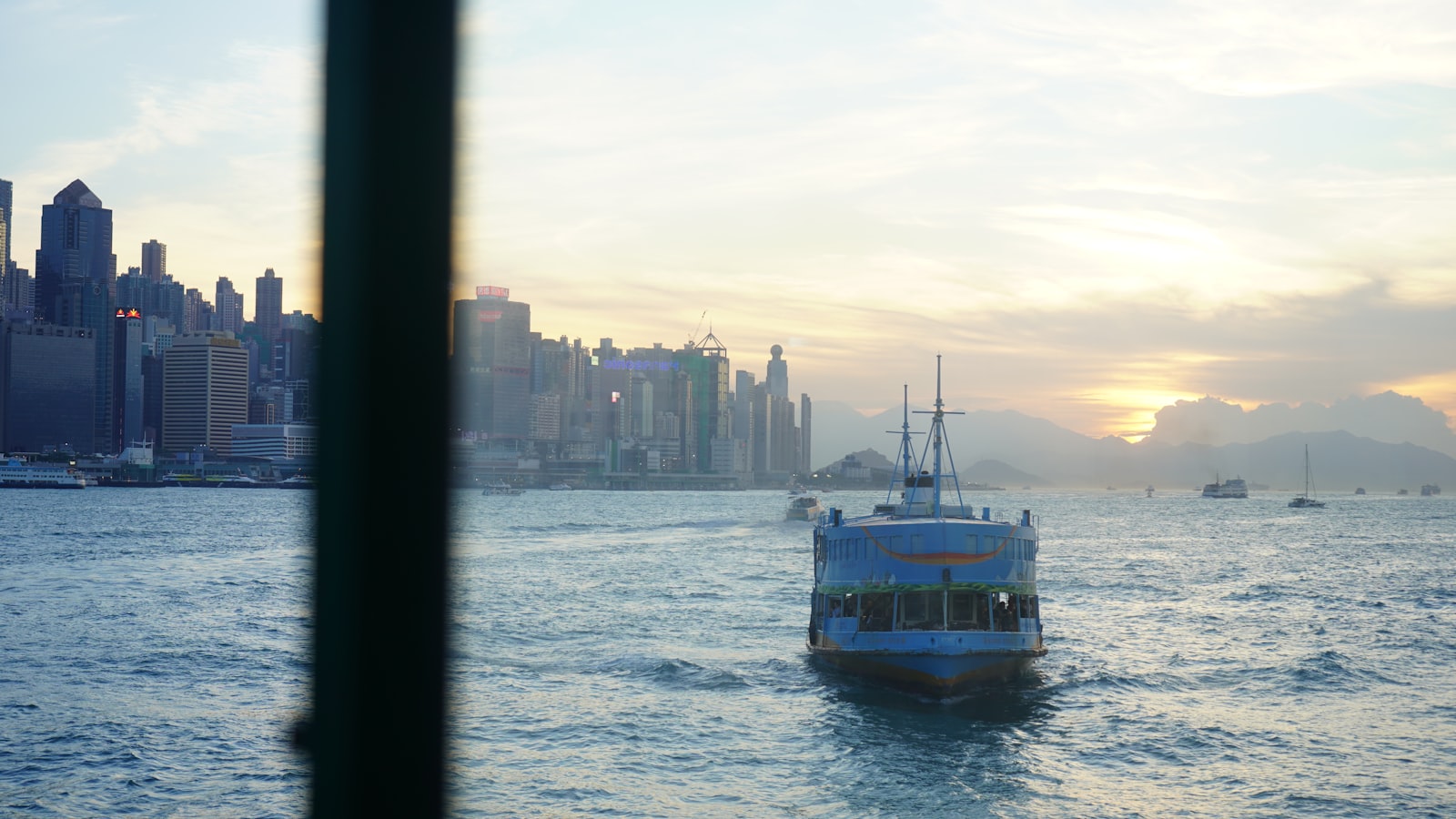
Hong Kong’s hotel landscape has shifted meaningfully over the past few years, and travellers still defaulting to the same handful of harbour-view landmarks are missing a genuinely interesting second wave of smaller, design-led properties that better suit how people actually want to experience the city now. This is not an argument against the grand hotels — several remain exceptional — but a case for looking slightly beyond them when planning where to stay.
The case for staying away from the harbour
The harbour view has long been Hong Kong hospitality’s default selling point, and it remains genuinely spectacular. But it comes with a cost beyond the room rate: proximity to the busiest tourist corridors, premium pricing for a view often best enjoyed from a rooftop bar rather than a hotel room window, and a certain sameness across properties competing directly on that single feature. A number of the best hotels Hong Kong has produced recently have instead leaned into neighbourhood character — properties in areas like Sheung Wan or Wan Chai that trade the skyline view for walkable access to the city’s more interesting small restaurants, galleries, and independent shops.
What separates a genuinely considered stay from a generic one
- A design identity specific to Hong Kong rather than a template applied identically across a global chain’s other Asian properties.
- A food and beverage programme with real local credibility, not simply an international buffet aimed at transiting guests.
- Staff genuinely knowledgeable about the immediate neighbourhood, capable of a considered recommendation rather than a generic tourist map.
This shift mirrors a broader pattern across Hong Kong luxury travel generally, where the most memorable stays increasingly come from properties with a strong point of view rather than universal, unimpeachable competence. Readers who enjoyed the reasoning in grand hotels, reconsidered will recognise the same logic applying directly to Hong Kong’s current hotel landscape.
Timing a Hong Kong stay around the city itself
Hong Kong rewards a stay of at least three nights, long enough to move past the obvious sights into the neighbourhood texture that makes the city genuinely distinctive — something shorter city breaks rarely allow time for. For travellers weighing whether a shorter trip makes sense, our thinking in the case for the two-night city escape generally applies better to smaller, more contained cities than to a place with Hong Kong’s density and scale, where a shorter visit tends to leave visitors feeling they have only seen the postcard version.
“People come for the skyline and leave remembering the noodle shop with four stools. That’s Hong Kong working exactly as it should,” a composite hotel concierge who has worked the city for over a decade told us.
Matching the neighbourhood to the trip
Hong Kong’s compact geography means the neighbourhood a hotel sits in shapes a stay far more than it would in a sprawling city, and choosing well requires a bit more thought than simply picking whichever address ranks highest on a booking site. Central and Sheung Wan suit travellers wanting gallery-hopping and the city’s most interesting small bars within easy walking distance, with steep hills that reward comfortable shoes over anything more formal. Wan Chai and Causeway Bay offer a livelier, more commercial energy, useful for shopping-focused trips or business travel close to the convention centre. Kowloon-side properties, often overlooked by first-time visitors defaulting to Hong Kong Island, frequently deliver better value and, ironically, some of the more striking harbour views precisely because they are looking back across the water at the skyline everyone else is trying to photograph from the other side.
Families and travellers prioritising space over location should also weigh the newer, larger-format hotels on the city’s outer edges, several of which have invested in genuinely excellent pool and recreation facilities that a dense, land-scarce Central property simply cannot offer. The trade-off is a longer commute into the busier districts, but for a stay built around rest as much as sightseeing, that trade-off is often worth making. For a short hop across the water, our guide to a weekend in Macau, reconsidered makes the case for a quieter side trip.
What’s actually changed recently
The most notable recent shift has been a wave of adaptive reuse projects — historic buildings converted into boutique hotels rather than new-build towers — bringing a sense of place that newer glass properties have struggled to replicate. This mirrors a broader regional trend covered in the best new hotel openings in Asia this year, where heritage architecture has become a genuine competitive advantage rather than a niche preference. Hong Kong, with its dense stock of pre-war and mid-century buildings, has been particularly well positioned to capitalise on this shift.
A short note on dining while you stay
Whichever hotel you choose, it is worth building at least one meal outside the property into any Hong Kong itinerary, since the hotel restaurant scene, however polished, rarely captures the city’s actual character the way a good local dining room does. Ask the concierge for a genuine local recommendation rather than the default list handed to every guest, and be specific about wanting something the staff themselves would actually choose on a night off.
Booking strategy for the current market
Hong Kong hotel pricing fluctuates significantly around major events and trade fairs, and travellers with flexible dates can find meaningfully better value by shifting a trip by even a week or two outside peak convention periods. For wellness-minded travellers, several of the newer properties have also invested seriously in spa and recovery programming, a trend worth reading alongside the best urban wellness hotels in Asia before finalising a booking.
A note on getting around once you’ve chosen
Whichever neighbourhood you settle on, Hong Kong’s public transport is genuinely excellent enough that hotel location matters less for pure convenience than it might in a less well-connected city — the MTR reaches almost everywhere worth going, quickly and reliably, at a fraction of taxi cost. This is worth factoring into the location decision: a slightly less central hotel with easy MTR access and better rates or a more interesting design identity is often the smarter trade than paying a steep premium purely for a shorter walk to Central.
The stay worth planning for
Hong Kong remains one of Asia’s most rewarding cities for a considered hotel stay, provided the choice of address reflects what the trip is actually for — skyline spectacle, neighbourhood immersion, or genuine rest — rather than defaulting to whichever name is most familiar. Our full Travel & Stays section continues to track the city’s evolving hotel scene as new openings arrive.
Marcus writes on travel and hospitality across Asia, and is happiest a long way from a lobby.


