The Return of the Great Railway Journey
On the quiet return of the great railway journey across Asia, and why a slow sleeper train is beginning to outshine the flight it was meant to replace.
 By Marcus Lim
29 August 2026 · 6 min read
By Marcus Lim
29 August 2026 · 6 min read
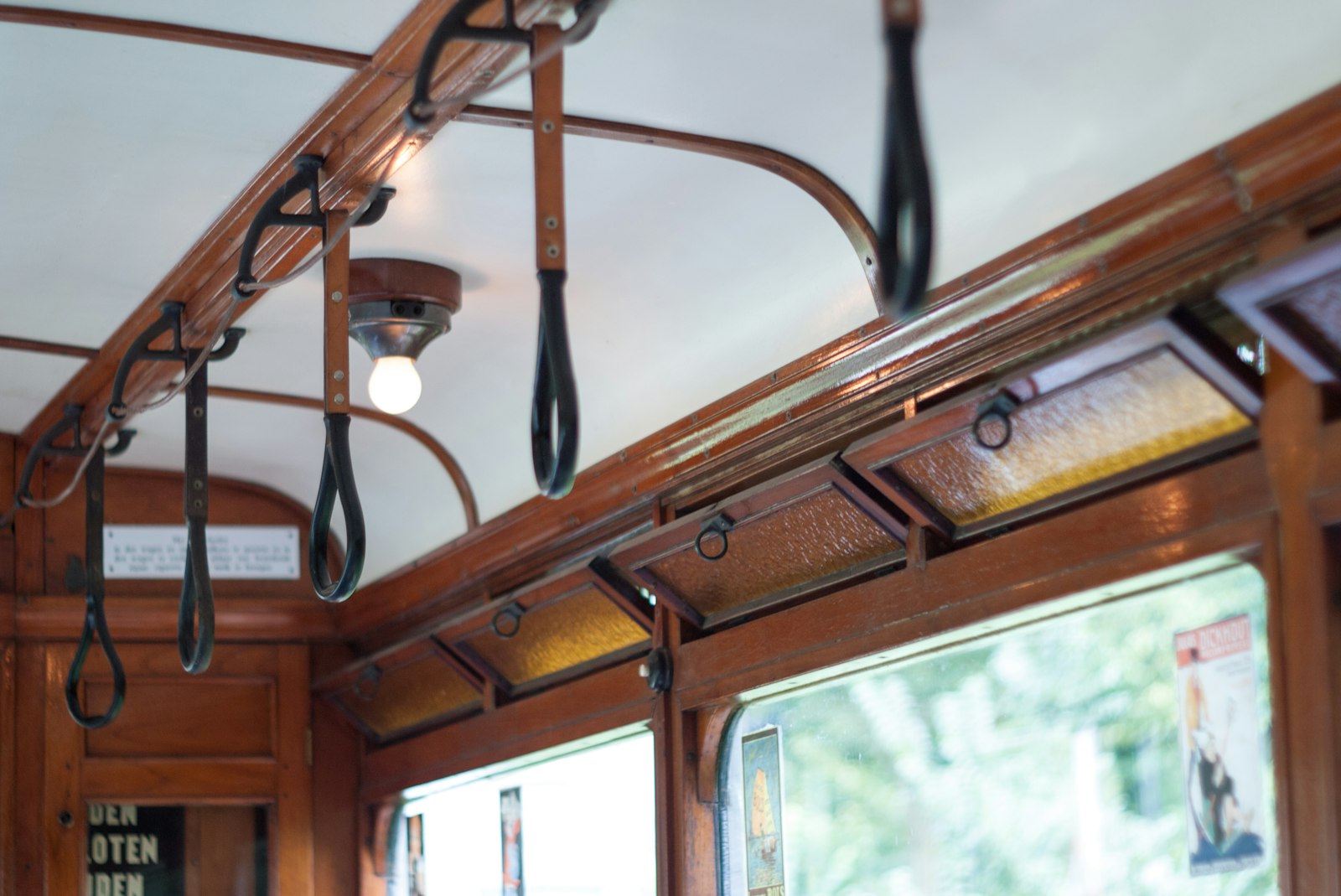
There is a particular romance to arriving somewhere by rail that no airport, however efficiently run, has ever managed to replicate. The great railway journey — once the default mode of long-distance luxury travel, then all but abandoned in the jet age — is quietly returning across Asia, driven partly by a genuine appetite for slower travel and partly by a handful of operators willing to invest seriously in the format again. What has emerged is not nostalgia dressed up as travel but something closer to a genuine alternative to flying, at least for the routes where the two compete directly.
Why the sleeper train makes sense again
The maths of a sleeper train against a short-haul flight has shifted in the train’s favour more than most travellers realise. Factor in airport transfers, security queues, and the dead time either side of a flight, and a well-run overnight service covering the same distance can arrive you rested rather than depleted, having also delivered a night’s accommodation as part of the fare rather than a separate cost. The best sleeper train Asia has to offer now rivals a genuinely good hotel room in comfort — private cabins with proper beds, ensuite facilities on the newer rolling stock, and dining cars staffed by kitchens taking the food seriously rather than treating it as an afterthought.
The routes worth taking seriously
- Overnight services connecting Southeast Asia’s major cities, increasingly refurbished with private-cabin options rather than the shared berths of a decade ago.
- Scenic daytime routes through mountainous terrain, where the journey itself is the destination rather than a means of covering distance.
- A small but growing number of dedicated luxury train operators running multi-day itineraries with the pacing of a cruise rather than transport.
These multi-day operators, in particular, have borrowed heavily from the private-jet and yacht charter playbook — fixed departure dates, all-inclusive pricing, and itineraries built around the same kind of considered stops that anchor the case for the two-night city escape, just strung together along a single continuous route rather than as isolated destinations.
What separates a good train journey from a great one
The difference, in our experience testing several of these routes, comes down almost entirely to two things: the quality of sleep and the quality of the dining car. A cabin that isolates noise and vibration properly is worth paying a premium tier for, particularly on longer overnight legs where a poor night’s sleep can undo the entire appeal of avoiding a flight. The dining car, meanwhile, is where operators either commit or coast — the strongest routes now employ chefs with genuine restaurant pedigree, producing food that would not embarrass a fixed address, a seriousness of purpose shared by the composite chefs profiled in the chef who cooks only what the tide brings.
“You stop checking your phone somewhere around hour three. That’s really the whole point,” one composite rail operator’s guest relations manager told us.
Booking, and why patience pays off here too
Unlike flights, where dynamic pricing can shift hourly, sleeper train fares on the more established routes tend to move in more predictable seasonal bands, with the best cabin categories on the multi-day luxury operators often selling out six to nine months ahead of peak season departures. Standard overnight services between major cities are considerably more flexible, generally bookable a few weeks out without much difficulty, though the newer private-cabin categories on refurbished routes are worth securing early given how quickly word has spread about the improved rolling stock.
It is also worth booking directly through the operator where possible rather than a third-party aggregator, particularly for the multi-day luxury routes, since operators frequently hold back a small allocation of their best cabins for direct bookings and can offer far more flexibility around date changes than a reseller typically allows. A quick call or email to the operator’s guest services team, rather than relying purely on an online booking engine, often surfaces availability that does not appear in the standard search results.
Packing and planning for a multi-day route
A great railway journey rewards a different kind of packing discipline than a city break — cabin storage is genuinely limited, and the appeal of the format is somewhat undermined by dragging an oversized suitcase down a narrow corridor at every stop. Readers planning one of these longer routes should read our guide on the art of travelling light, in style before departure; the principles apply even more acutely on a train than on a plane, given how much smaller cabin storage tends to be.
Where this fits in a broader travel plan
The great railway journey works best not as a stand-alone trip but as a deliberate stitch between two or more destinations already on an itinerary — replacing what would otherwise be a forgettable short-haul flight with an experience that becomes, in retrospect, one of the trip’s genuine highlights. Travellers building longer regional itineraries, of the kind discussed in forty-eight hours in Tokyo, the considered way, would do well to consider whether one leg of the journey could plausibly happen by rail instead of air.
Who this format actually suits
The great railway journey is not for every traveller, and it is worth being honest about who benefits most from choosing it over a flight. Those with genuinely tight schedules, or a low tolerance for a slower pace, will likely find even the best sleeper service frustrating compared with a two-hour flight. But for travellers who have grown tired of treating transit as dead time to be minimised at all costs, the format offers something increasingly rare: hours that feel spent well rather than simply endured, with the landscape itself as part of the experience rather than an obstacle between two points on a map. Some of the most rewarding landscapes lie a little beyond the last station, as our guide to waterfalls worth the journey suggests.
A slower kind of arrival
What the return of the great railway journey ultimately offers is not just a practical alternative to flying but a different relationship with distance itself — one where the miles between two points are not simply erased but genuinely experienced. For travellers tired of airports, it is worth a serious look, and our Travel & Stays section will continue tracking the routes worth booking as the format expands.
Marcus writes on travel and hospitality across Asia, and is happiest a long way from a lobby.