Understanding Watch Bezels and Their Uses
Behind every rotating bezel sits a genuine tool, built to solve a specific timing problem long before digital instruments existed to do it instead.
 By Daniel Koh
30 August 2026 · 6 min read
By Daniel Koh
30 August 2026 · 6 min read
A rotating bezel is one of the few genuinely functional details left on a modern watch, and yet it is also one of the most widely misunderstood — worn daily by people who have never turned it, admired for its styling by people who could not explain what the numbers around its edge actually measure. Understanding what a given bezel does, and why it was designed the way it was, tends to deepen the appreciation of the watch considerably beyond its looks.
The dive bezel, and the problem it actually solves
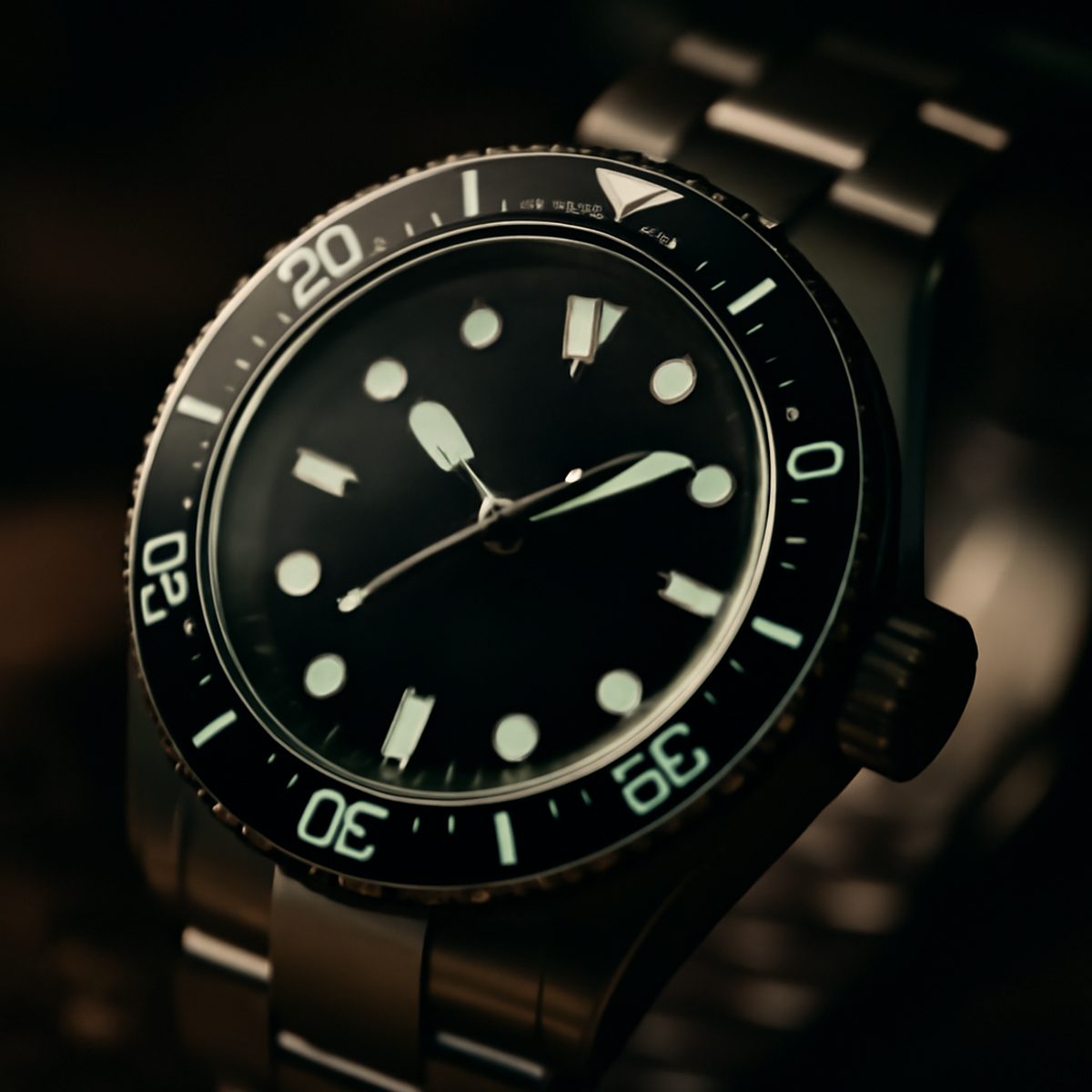
The unidirectional dive bezel exists to solve a single, genuinely serious problem: tracking elapsed time underwater without relying on a battery or a screen. A diver aligns the bezel’s zero marker with the minute hand at the start of a dive, and the numbers around the bezel then show elapsed time at a glance — critical for tracking air supply and decompression limits. The bezel only turns one direction specifically as a safety feature: if it is accidentally knocked during a dive, it can only ever make the elapsed time read longer than reality, never shorter, erring toward caution rather than danger.
The tachymeter, for measuring speed
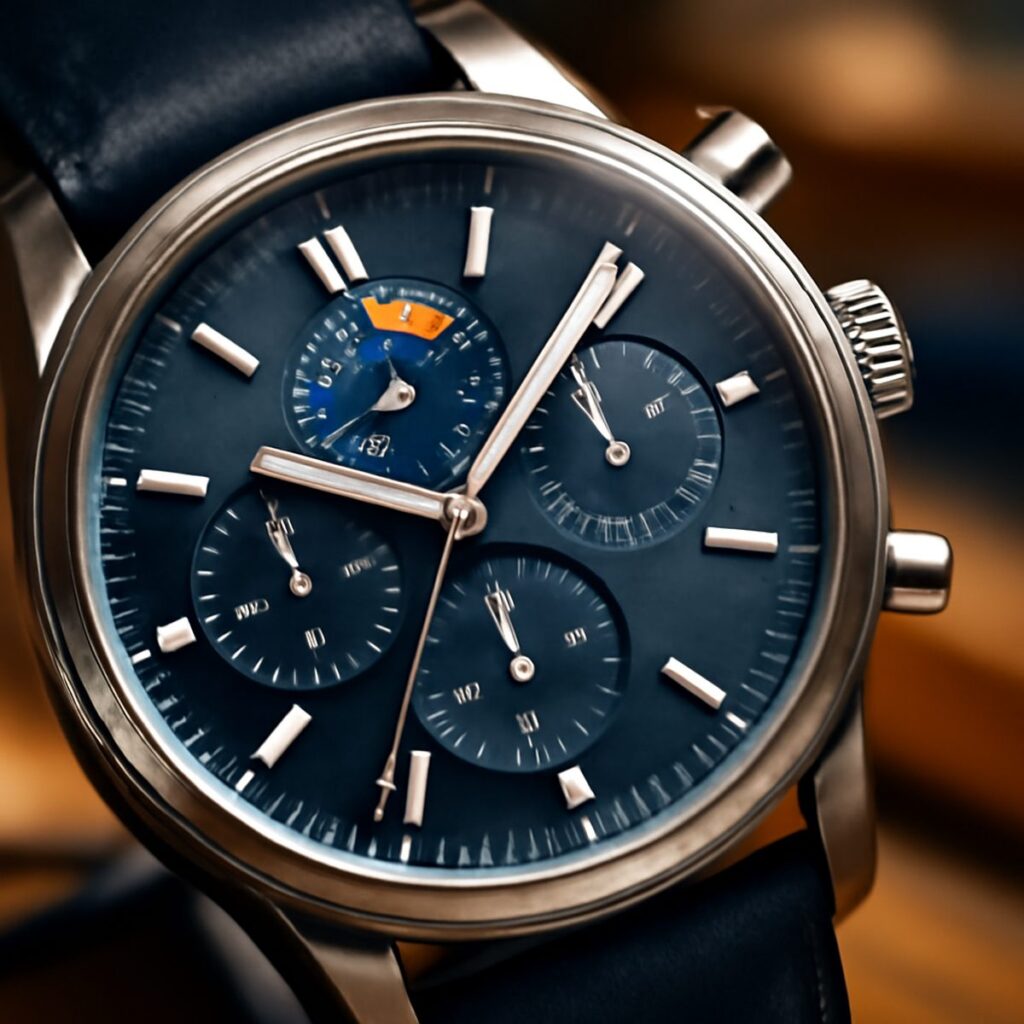
A tachymeter bezel, usually found on a chronograph, measures average speed over a known, fixed distance — originally a mile or kilometre marker on a racetrack or road. Start the chronograph at the beginning of the measured distance, stop it at the end, and the second hand’s position against the tachymeter scale reads directly as speed. It works only for distances the wearer already knows, which is why it found its natural home in motorsport, where lap distances are fixed and repeated, rather than in general travel.
Reading the three most common bezel types at a glance
- Dive bezel: numbered zero to sixty, unidirectional, used to track elapsed time.
- Tachymeter: a scale of decreasing numbers, used alongside the chronograph to calculate speed over a known distance.
- GMT bezel: a 24-hour scale, usually bi-directional, used with a dedicated GMT hand to track a second time zone.
The GMT bezel, and why it differs from the other two
Unlike the dive and tachymeter bezels, which work alongside a standard hand configuration, the GMT bezel requires a dedicated fourth hand that completes one rotation every twenty-four hours rather than twelve. Rotating the bezel against this hand allows a third time zone to be read simultaneously with the standard two the watch already displays via the hour hand and the GMT hand together. It is, in a sense, the most genuinely useful bezel complication for a modern frequent traveller, and pairs naturally with the broader case made in the GMT watch, for the frequent flyer.
“Most people buy a dive watch and never learn what the bezel is for,” one Singapore watch restorer told us. “It’s a shame, because it’s genuinely one of the more satisfying mechanisms to actually use.”
Ceramic versus aluminium, and why it matters
The material a bezel insert is made from affects both its durability and its legibility over time. Aluminium inserts, common on older and more affordable watches, scratch relatively easily and fade under prolonged sun exposure, though many collectors consider this patina part of the watch’s character. Ceramic inserts, now standard on most higher-end sports watches, resist scratching and fading almost entirely, at the cost of being more brittle under a sharp direct impact. Neither is objectively better; the choice tends to come down to whether a wearer values a watch that shows its age gracefully or one that stays visually pristine for decades.
The compass and telemeter bezels, less common but worth knowing
Beyond the three most familiar bezel types, a handful of rarer complications turn up occasionally on more specialised pieces. A compass bezel, aligned with the sun and the hour hand at solar noon, allows an approximate cardinal direction to be read without a separate instrument — a genuinely useful field tool before GPS, now largely a curiosity kept alive by a handful of adventure-oriented brands. A telemeter bezel, related in principle to the tachymeter, measures distance rather than speed, originally used to estimate how far away a storm or an artillery strike was based on the delay between seeing and hearing it. Both are worth recognising on a vintage piece, even if neither sees much practical use today.
Bidirectional versus unidirectional, and why the distinction matters
Not every rotating bezel turns only one way, and the distinction is not a minor engineering detail. A GMT bezel is typically bidirectional, since a wearer needs to move quickly and freely between time zones without the friction a safety-oriented unidirectional mechanism would introduce. A dive bezel’s unidirectional restriction, by contrast, exists purely as a safety measure, and a watch marketed as a dive watch with a freely bidirectional bezel is, strictly speaking, not built to the same functional standard regardless of how convincing its dial styling might be.
The action of the bezel itself is worth checking in person before buying, since it says a great deal about overall build quality. A well-engineered bezel clicks with a firm, evenly spaced resistance through every position, with no play or wobble when pressed from the side. A loose or inconsistent action, even on an otherwise attractive watch, is usually an early warning sign of corners cut elsewhere in the case construction.
Buying with the function in mind, even if you will not use it
Most bezel complications, honestly, will never be used for their original purpose by the majority of owners — few buyers of a dive watch are tracking actual decompression limits, and fewer still are calculating lap speeds with a tachymeter. This is a perfectly legitimate way to own one; the mechanism’s history and engineering intent add genuine depth to a piece even when purely decorative in daily use, in much the same way understood in understanding watch water resistance, where a rating far beyond any realistic use case still says something meaningful about how the watch was built.
A bezel is one of the last places on a modern watch where form and function remain genuinely inseparable, and understanding what it is actually built to do tends to change how a watch is worn, if only in the small satisfaction of knowing the mechanism beneath the styling. For more on how watch complications translate into everyday wear, browse our Style & Watches section.
Daniel has spent fifteen years arguing that the best watch is the one you never take off.