Understanding the Ritual of Afternoon Tea
More than scones and sandwiches, afternoon tea is a small ceremony of pause. Here is what the tradition really involves, and why it endures so happily.
 By Renée Tan
1 September 2026 · 6 min read
By Renée Tan
1 September 2026 · 6 min read
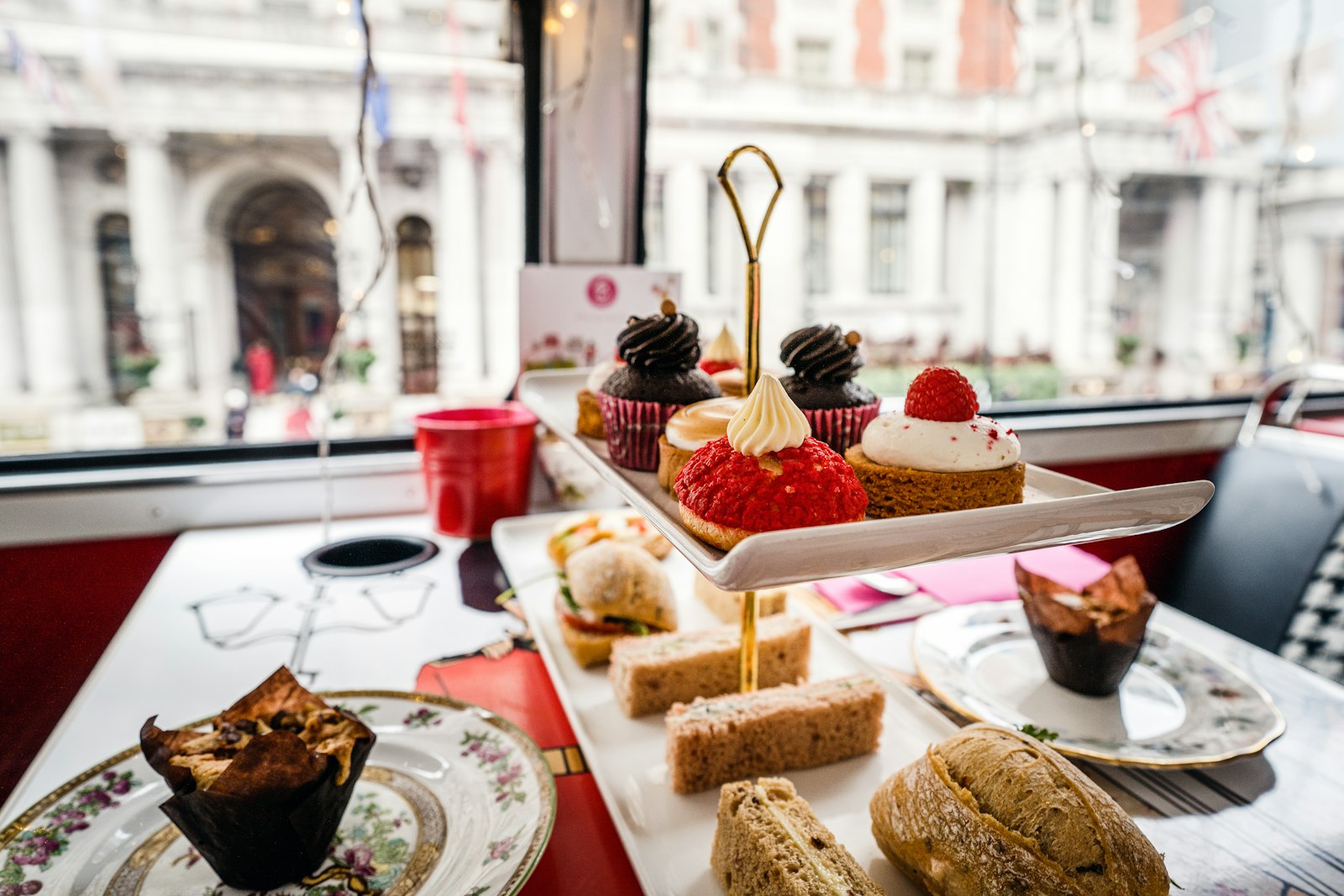
There is something quietly civilising about stopping, in the middle of an afternoon, to eat small things slowly and drink tea from a proper pot. Afternoon tea is not really about the food, generous though it is; it is about the pause — an hour carved out of a busy day and given over to conversation, ceremony and the deliberate absence of hurry. Understanding the ritual is understanding why it has survived, cheerfully unchanged, for the better part of two centuries.
A gentle history
The tradition is usually credited to a nineteenth-century duchess who, finding the long gap between lunch and a late dinner unbearable, took to having tea and a little something brought to her room in the afternoon. The habit spread, grew formal, and became a fixture of a certain kind of life. What began as a private remedy for hunger became a small social institution — an excuse to gather, to dress a little, and to slow down. That impulse to make a ceremony of a daily act is universal, and Singapore has its own beloved version in the kaya toast and kopi ritual.
What a traditional afternoon tea involves
The full traditional afternoon tea arrives on a tiered stand, and the tiers are not arbitrary. You are meant to work from the bottom up, savoury to sweet:
- The bottom tier holds finger sandwiches — cucumber, egg, smoked salmon, coronation chicken — crusts off, cut small.
- The middle tier carries scones, still warm, served with clotted cream and jam.
- The top tier is given over to pastries and small cakes, the sweet finale.
And then there is the eternal, faintly absurd, entirely serious question of the scone: cream first or jam first? The two counties that claim the tradition disagree fiercely, and no one has ever won the argument. That it still matters to anyone is rather the point.
Afternoon tea is a small rebellion against the tyranny of the useful hour. Its entire purpose is to be pleasant and unproductive, and it makes no apology for it.
The tea itself, taken seriously
It is a curious thing that the tea, the ostensible star, is so often the afterthought — a forgotten bag drowned in a metal pot. A proper afternoon tea takes the leaf as seriously as the cake. A robust black tea stands up to milk and to the richness of the food; a lighter oolong or a fragrant Darjeeling can be taken clear, cleansing the palate between bites. Brewing it properly — the right water, the right time, leaves rather than dust — transforms the whole affair, as the art of brewing tea properly explains. The tea is not the accompaniment; it is the thread that ties the hour together.
The art of the pairing
Once the tea is taken seriously, pairing it with the food becomes a genuine pleasure — a delicate smoked tea against the salmon, something floral and light against the pastries. This is a quieter cousin of wine matching, and the art of pairing tea with food opens up a surprising world. The best afternoon teas think about this as carefully as any tasting menu.
The ritual in Singapore
Afternoon tea found an especially happy home in tropical, colonial Singapore, where the grand hotel lounges made it an institution and where it persists today, adapted and reinvented — laksa-spiced this, pandan-scented that, the tiered stand meeting the local larder. A new generation of tea rooms is pushing it further still, as Singapore’s new tea houses beyond the bubble shows. It is a tradition that travels well precisely because its heart is not the menu but the pause.
The unspoken etiquette
Part of the pleasure of afternoon tea lies in its small, gentle rituals, most of which exist to slow you down rather than to catch you out. The etiquette is not really about rules; it is about attention. You pour the tea and then, if you take it, add the milk — a debate as old and as unresolved as the scone question, though most agree that adding milk to the cup after the tea lets you judge the strength. The napkin goes on the lap, the little finger stays down rather than affectedly raised, and the whole affair proceeds at a deliberately unhurried pace.
The scone, inevitably, carries the most ceremony. Tradition holds that you break it in half with your hands rather than cutting it with a knife, then dress each half separately rather than assembling it like a sandwich. Whether cream or jam goes first remains a matter of fierce regional pride, and the only wrong answer is to care too little about a question that is, gloriously, of no importance whatsoever. That such things are debated at all is the whole spirit of the occasion — a licence to take trivial pleasures seriously.
None of this should feel like a test. The point of the etiquette is to give shape to an hour of leisure, to mark it out as different from the rushed eating of an ordinary day. Once you relax into the rhythm — pour, spread, sip, talk, repeat — the small formalities stop being fussy and start being soothing, a gentle choreography that lets you set the rest of the day aside for a while.
It makes, too, a lovely way to mark an occasion without the weight of a full dinner. A birthday, a reunion, a quiet celebration between friends — all of these suit the gentle formality of afternoon tea, which offers ceremony without stiffness and generosity without excess. There is something in the tiered stand and the pot of good tea that signals a small event, a deliberate stepping-out of the ordinary day, and yet it asks nothing of anyone beyond turning up and settling in. Whether taken in a grand hotel lounge or laid on a table at home with a few good things bought that morning, it turns an idle afternoon into a memory, which is rather more than most meals can claim.
To take afternoon tea properly is to give yourself permission to do nothing useful for an hour, in good company, over good things. In a life measured in productivity, that is no small luxury. Book a table, or lay one at home, and rediscover the gentle art of the deliberate afternoon. For more of the rituals that make the table a pleasure, our dining and drinks pages are always open.
Renée has covered Singapore's restaurants for over a decade, with a soft spot for the kitchens most people walk past.