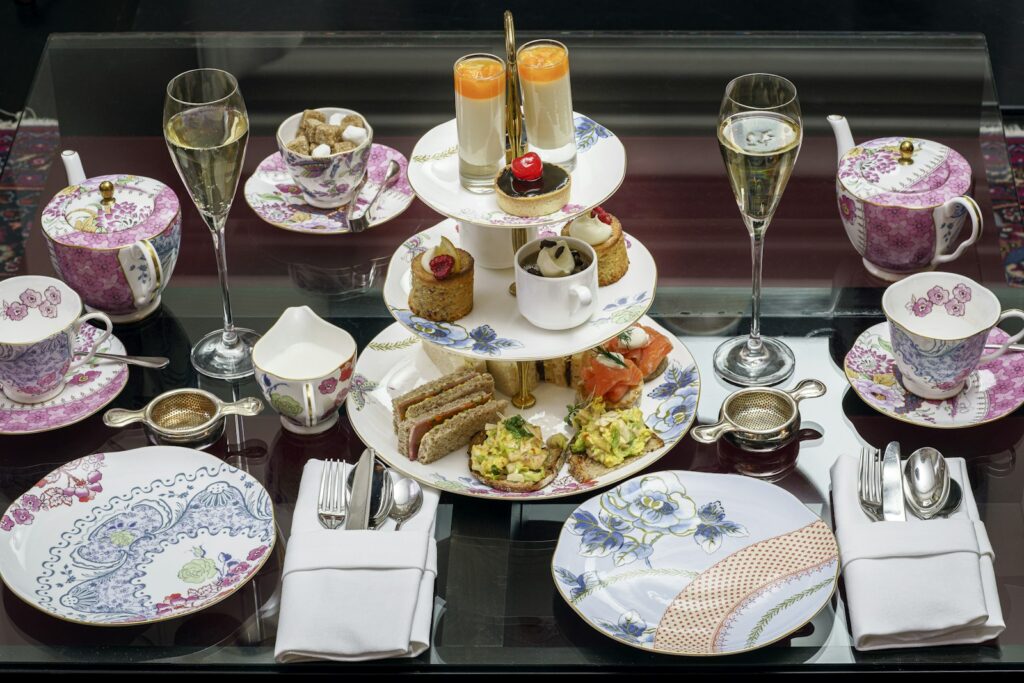
The Art of Pairing Tea With Food
Tea pairing deserves the same seriousness as wine pairing. Here is how to think about matching leaf to plate, properly, course by considered course.
 By Renée Tan
29 August 2026 · 6 min read
By Renée Tan
29 August 2026 · 6 min read

Wine pairing gets all the attention at a considered table, but tea deserves the same rigour — arguably more, given how much range sits within a single leaf depending on oxidation, roast, and brewing temperature. A well-chosen tea can do everything a good wine does: cut through fat, lift a delicate dish, or extend a flavour that would otherwise fade after the first bite. The trouble is that most restaurants still treat tea as an afterthought, a pot brought out reflexively rather than chosen with intent. Doing it properly changes the whole shape of a meal.
Start With Oxidation, Not Flavour
The single most useful lens for pairing is oxidation level rather than flavour description. Green and white teas, lightly oxidised, tend to suit delicate, high-quality ingredients — raw seafood, steamed fish, anything where you do not want a stronger flavour to dominate. Oolongs sit in the middle and are remarkably versatile, handling everything from roast meats to mild curries depending on how heavily they have been roasted. Fully oxidised black teas and aged dark teas like pu-erh carry enough tannin and depth to stand up to richer, fattier dishes the way a structured red wine would.
Matching by Weight, Not Just Type
The mistake most pairings make is matching flavour notes literally — a “fruity” tea with a fruit dessert, say — when weight and texture matter far more. A dish’s richness should roughly match the tea’s body. A buttery, slow-cooked dish wants a roasted oolong or aged pu-erh with enough presence to hold its own; a light, vegetable-forward course wants a green or white tea that will not overwhelm it. Think of tea weight the way you would think of wine body, and the pairings start to suggest themselves almost automatically.
A Few Reliable Starting Points
- Roasted oolong with char siu or other caramelised roast meats
- Chilled white tea alongside oysters or other raw seafood
- Aged pu-erh with anything fried, to cut through the oil
- Jasmine green tea with steamed dumplings or delicate dim sum
Temperature and Timing Change Everything
A tea served too hot will scald the palate before the food even arrives, dulling both. Many considered kitchens now brew tea slightly cooler than tradition dictates specifically to preserve palate sensitivity through a multi-course meal. Equally important is timing — tea poured too early, before the first course lands, cools and loses its aromatics before it has done any pairing work. The better tea programmes now time pours course by course, much as a wine pairing menu would, rather than leaving a single pot to go tepid across an hour-long meal.
Tea and Dessert Follow Different Rules
Pairing tea with dessert inverts much of the savoury logic above. Where a savoury pairing usually wants tea and dish to sit close in weight, dessert often benefits from genuine contrast — a lightly bitter, roasted oolong cutting through a very sweet custard, or a smoky black tea offsetting rich chocolate rather than echoing it. Matching two sweet things together, tea and dessert both leaning soft and sugary, tends to flatten a course rather than lift it, the way an overly sweet dessert wine can. The better rule for dessert is to let the tea do the work a squeeze of citrus or a bitter espresso would normally do at the end of a Western meal.
Brewing Strength Is Also a Pairing Decision
The same leaf brewed for two minutes versus five minutes can behave like two different pairing tools entirely. A shorter steep produces a lighter, more aromatic cup suited to delicate dishes, while a longer steep pulls out more tannin and body, better suited to richer food. Restaurants serious about tea pairing will often brew the same leaf differently across courses rather than pouring from one pot all evening, adjusting strength the way a sommelier might decant a wine earlier or later depending on the dish it needs to meet. It is a level of control worth replicating at home if you are hosting a considered dinner of your own.
Building Your Own Pairing at Home
You do not need a sommelier’s vocabulary to start experimenting — just a willingness to taste tea and food together rather than sequentially. Pour a small amount of tea, take a bite, then sip again immediately after swallowing; the aftertaste interaction is where most pairings either click or fall apart. Keep a rotating shelf of three or four tea types by oxidation level rather than a single house blend, and you will find yourself reaching for the right one instinctively within a few tries.
For a deeper dive into Singapore’s growing tea culture, the city’s new tea houses, beyond the bubble covers where this thinking is being taken most seriously. If afternoon tea is more your speed, the best places for afternoon tea offers a gentler entry point into the same ideas. And pairing logic of this kind extends naturally into building a cheese board worth sharing, where weight and intensity matching follows almost identical rules.
A Note on Vessels
The cup itself changes how a pairing reads, more than most people expect. A wide, shallow cup releases aroma faster and can make a delicate tea taste sharper against food than the same tea served in a narrower vessel that concentrates the scent before it reaches the nose. Restaurants serious about tea pairing will sometimes switch cup shapes between courses the way a wine bar might switch glassware between a Burgundy and a Bordeaux. It sounds like an unnecessary flourish until you taste the same tea from two different cups side by side and notice how differently it behaves against the same bite of food.
Why It Is Worth the Effort
Done well, tea pairing turns a meal into something closer to a considered conversation between courses rather than a series of unrelated plates. It costs nothing extra beyond attention — most kitchens already stock a reasonable range of leaves, they simply are not being asked to think about them this way. Push a little, at home or at the table, and the improvement in how a meal reads from start to finish is immediate. For more ideas on how Singapore’s kitchens are approaching flavour with this level of intent, the Dining & Drinks section is the place to keep exploring.
Renée has covered Singapore's restaurants for over a decade, with a soft spot for the kitchens most people walk past.