Understanding the Design Hotels of Bologna
Bologna's design hotels answer to the city itself: porticoed, scholarly, appetite-led. A guide to reading the boutique stays of Italy's most underrated city.
 By Marcus Lim
2 September 2026 · 6 min read
By Marcus Lim
2 September 2026 · 6 min read
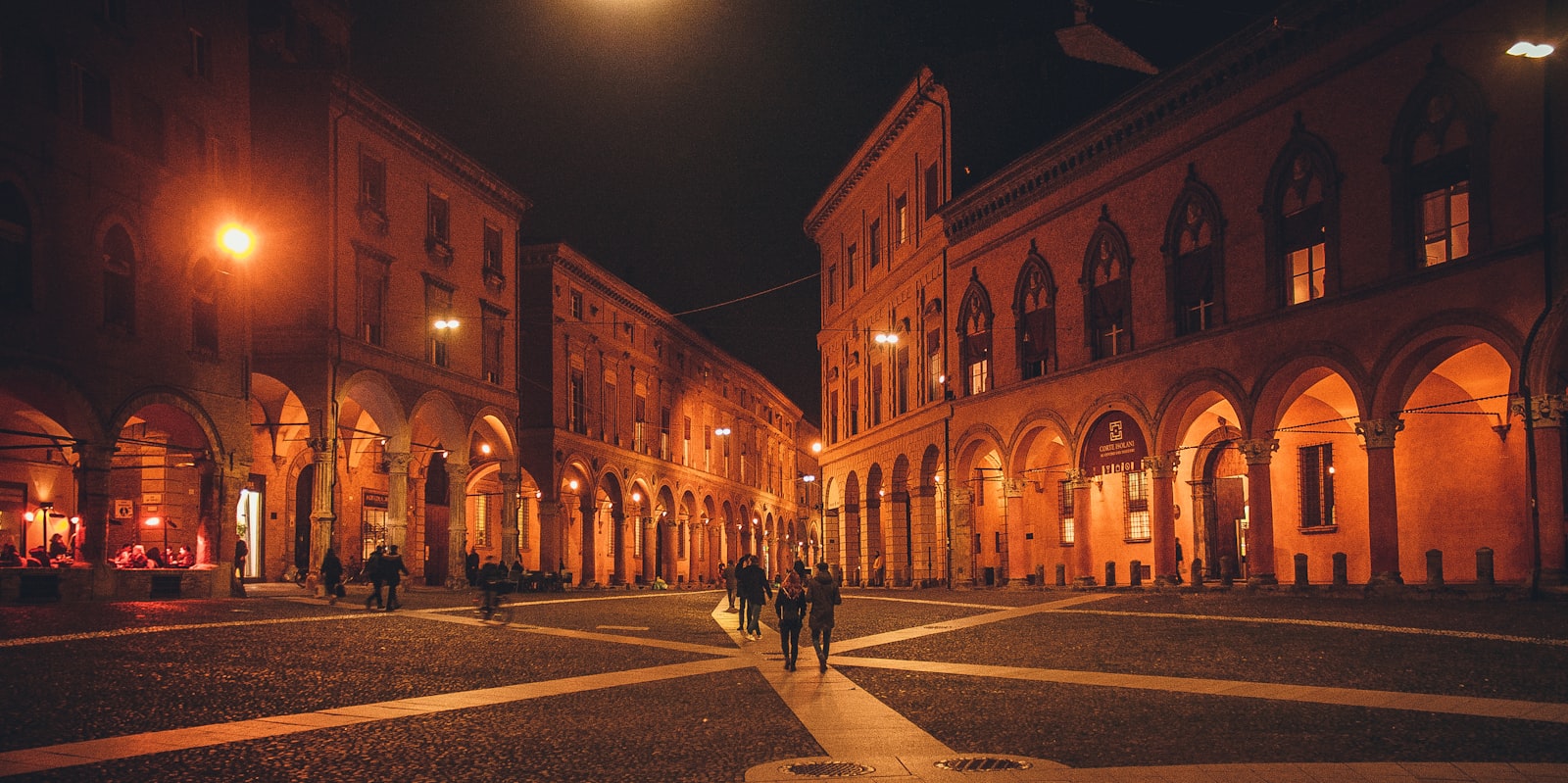
Bologna does not perform for visitors the way Florence or Venice do, and its hotels have inherited that composure. The design hotels here are not statements you photograph and leave; they are places calibrated to a city that is scholarly, red-brick and deeply serious about lunch. To understand them, you first have to understand that Bologna keeps its beauty under cover, beneath forty kilometres of porticoes, and that its best rooms have learned the same trick of quiet interiority.
This is a working city, home to the oldest university in the world and to a food culture that treats a ragù with the gravity other places reserve for religion. The design hotels that have taken root here answer to that seriousness. They tend to be small, carved from palazzi rather than purpose-built, and more interested in comfort and material than in spectacle. Reading them well is a matter of knowing what the city is asking of them.
The palazzo as raw material
The characteristic Bologna design hotel begins with an old building and refuses to shout over it. A composite example: a sixteenth-century palazzo with frescoed ceilings left deliberately faded, terracotta floors worn smooth, and contemporary furniture chosen to converse with the bones rather than compete with them. The pleasure is in the restraint. Where a newer city might strip everything back to a white box, Bologna keeps the history and edits it, which is a far harder discipline.
This instinct, letting the original structure lead, connects the city to a wider Italian movement you can trace through the design hotels of Turin, another northern city where industry and elegance sit comfortably together. The materials are honest, the palette is warm, and the design serves the stay rather than the other way round.
Light, brick and the portico
Bologna is a red city, and its interiors work with that warmth rather than against it. The good design hotels understand how the light behaves under the porticoes: filtered, honeyed, forgiving. Rooms tend toward ochre, terracotta and deep reds, materials that hold the heat of the afternoon and glow rather than glare. It is a colour sense quite different from the cool minimalism of the north, and closer to the design hotels of Bilbao in its willingness to let a city’s own character set the palette.
We did not want a hotel that could be anywhere, one owner explained. We wanted a hotel that could only be Bologna.
That specificity is the whole game. The best rooms feel grown from the city rather than dropped into it, and they reward the guest who notices the difference.
The appetite that shapes the stay
You cannot understand Bologna’s hotels without understanding that they are, in a sense, staging posts between meals. The city runs on food, and a well-designed stay here treats breakfast as a genuine event and locates you within walking distance of the tables that matter. The concierge who cannot get you a seat at the right trattoria has misunderstood the assignment. For the wider landscape of the region’s cooking, the best Italian trattorias is the essential companion piece to any stay.
The physical design follows from this. Generous ground-floor spaces for lingering, a bar that pours a proper Sangiovese, a courtyard for the slow end of the evening. The rooms are for sleeping; the public spaces are for the city’s real business, which is eating and talking.
How to choose
If you are booking a design hotel in Bologna, look for the palazzo over the new-build, the small over the large, and the address inside the walls over anything convenient to the ring road. Ask what the building was before it was a hotel; the good ones will have an answer they are proud of. And give yourself time, because the city rewards the guest who treats it as a place to settle, much as a slow weekend in Bologna argues.
Scale, service and the human measure
What unites the best of Bologna’s design hotels, beyond palazzo bones and warm palettes, is their scale. These are small houses, often no more than a dozen or twenty rooms, and that smallness is a deliberate philosophy rather than a limitation. It allows a kind of service that larger hotels cannot offer: the person who checks you in is likely to be there when you leave, the breakfast is cooked rather than assembled, and the recommendations come from someone who genuinely knows the city rather than from a laminated card. In a place as relationship-driven as Bologna, that human measure is not a luxury add-on; it is the point.
It also changes how you experience the city. A small design hotel functions less like an anonymous base and more like the house of a well-connected friend. The staff will steer you away from the tourist tables and toward the trattoria where they eat themselves, tell you which market stalls to visit and when, and understand instinctively that you have come to Bologna to eat and to walk rather than to tick off monuments. This is the deeper reason the design hotel matters here more than it might elsewhere. In a city that keeps its wealth private and reveals it slowly, you need an insider, and the right small hotel is the most reliable insider you can buy. Choose for the people and the scale as much as for the interiors, and the stay will teach you the city in a way no guidebook manages.
None of this happens by chance. The small Bologna hotel that gets it right has made a series of deliberate, unshowy decisions, about scale, about service, about staying loyal to the character of its building and its city, and it is precisely that accumulation of quiet, correct choices that the discerning guest comes to recognise and to trust.
Understood properly, the design hotels of Bologna are not destinations in themselves but instruments for experiencing a city that hides its wealth under arches and serves it at the table. They are quiet, warm and specific, and they ask you to slow to their pace. For more on reading a city through where you sleep, our Travel & Stays writing makes the case city by city, and Bologna is among the most rewarding places to test it.
Marcus writes on travel and hospitality across Asia, and is happiest a long way from a lobby.