The Story of Teochew Porridge Culture
Thin rice, a dozen small dishes, and a tradition built on restraint: a guide to Teochew porridge culture, and why its plainness is exactly the point.
 By Renée Tan
30 August 2026 · 6 min read
By Renée Tan
30 August 2026 · 6 min read
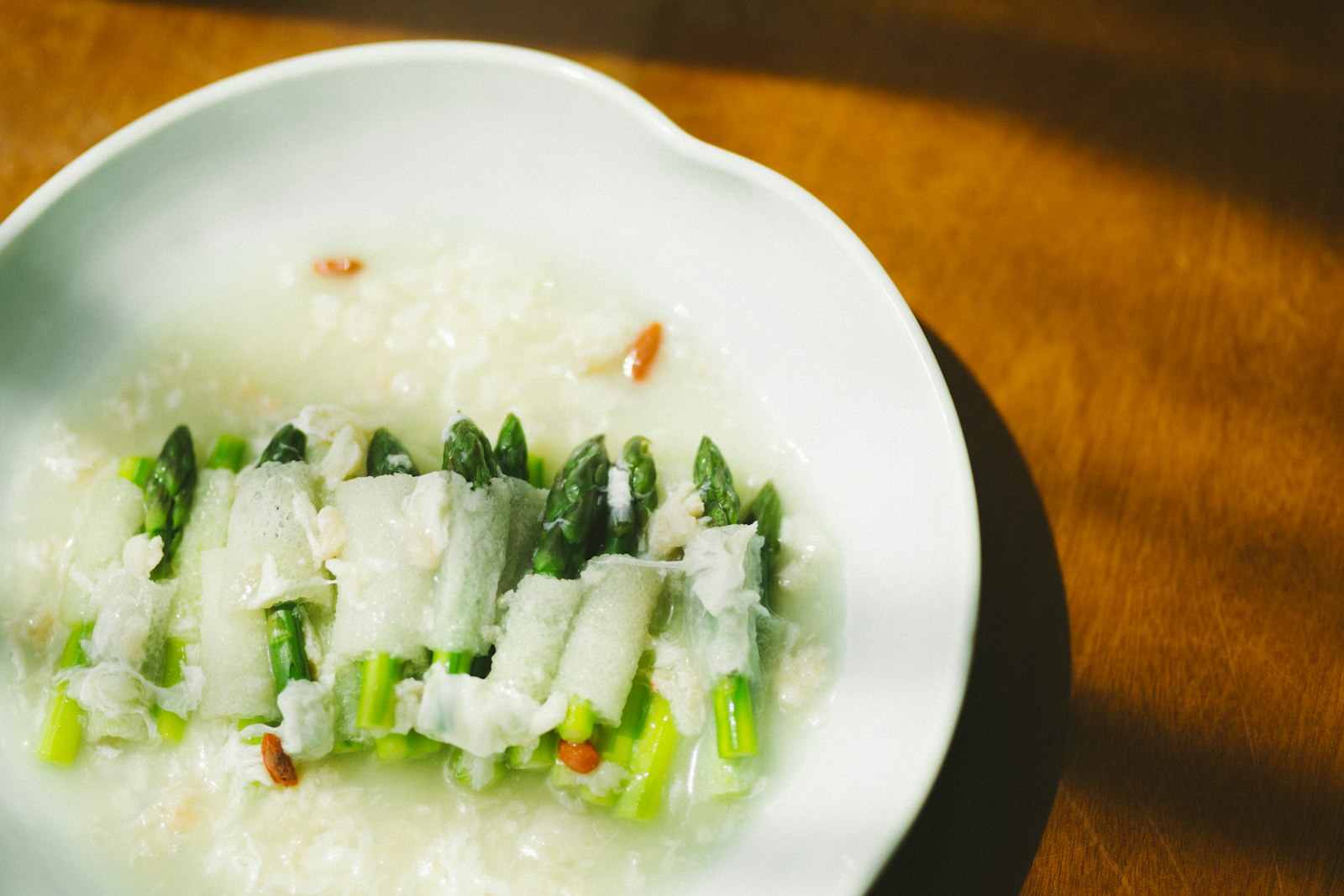
Teochew porridge, or muay, is easy to misunderstand from a menu alone. It reads as plain — thin rice porridge, a handful of small side dishes, nothing that announces itself the way a rich braise or a whole roasted fish might. That plainness is precisely the point. The porridge exists to be a quiet, almost neutral canvas, and the real craft of a Teochew porridge meal lives entirely in the dozen or so small dishes that surround it, each one built to deliver a concentrated hit of salt, umami or pickle against the blank backdrop of the rice.
Why the Porridge Stays So Thin
Unlike the thick, almost paste-like congee found in some other Chinese culinary traditions, Teochew muay is deliberately watery, with individual grains of rice still visible and distinct rather than broken down into a uniform mush, a difference immediately obvious to anyone who has tasted both styles side by side in the same sitting. This is not a shortcut or an unfinished dish; it is a considered choice that reflects the cuisine’s origins among Teochew communities who built meals around preserved and salted ingredients, where a thin, mild porridge was the ideal vehicle for intensely flavoured accompaniments rather than a dish meant to carry flavour on its own. The thinness also means the porridge stays hot and eatable for longer, important in a tradition built around long, unhurried meals with many small dishes arriving over time.
The Dishes That Make the Meal
A proper Teochew porridge spread is built from contrast: something salted, something pickled, something braised, something fried, and ideally something fresh and lightly cooked to balance the more intensely seasoned dishes around it. Preserved vegetables like tang chye and salted radish deliver concentrated salt and umami in small doses, and a good kitchen rotates several varieties through the week rather than settling on just one or two standard options. Braised items — pork, duck, or tofu simmered in a dark, slightly sweet soy-based sauce — bring richness, and a well-run stall will keep several such dishes going at once, each simmering long enough to develop real depth without turning uniformly sweet or heavy. A steamed fish, simply prepared with ginger and spring onion, is often the centrepiece dish that anchors the whole table, and its quality is usually the clearest sign of how seriously a stall or restaurant treats the wider tradition, since a simply prepared dish like this leaves absolutely no room for a kitchen to disguise poor sourcing or careless timing behind heavier seasoning.
- Order broadly across salted, pickled, braised and fresh dishes rather than committing to just one or two
- A steamed whole fish is usually the fairest single test of a kitchen’s overall standard
- The porridge itself should stay thin and loose — a thick, stodgy bowl suggests a kitchen cutting corners
Teochew Cooking’s Wider Legacy in Singapore
Teochew culinary influence runs deep through Singapore’s hawker culture well beyond porridge, showing up in everything from braised duck to the city’s fondness for clear, delicate broths over heavier, richer ones — a set of preferences that shaped much of the wider local palate long before words like “clean eating” ever entered the conversation. For a related tradition built on similarly clean, considered flavours, the best congee and comfort bowls covers the thicker, more filling end of the rice-porridge spectrum, while the hawker stalls worth queuing for tracks where Singapore’s broader hawker culture, Teochew and otherwise, is thriving right now.
A Meal Built for Sharing
Unlike many hawker dishes designed around a single portion for one diner, Teochew porridge is inherently communal, with the small dishes placed in the centre of the table for everyone to share rather than plated individually. This shapes the whole rhythm of the meal: diners return to favourite dishes throughout, refill their own bowl of porridge as needed, and the meal tends to stretch longer and more leisurely than a typical hawker lunch. It is one of the few hawker traditions in Singapore that genuinely rewards a larger group rather than solo dining, since a bigger table can order a wider spread of small dishes without any single diner overcommitting to one they might not enjoy as much.
An Overlooked Late-Night Tradition
Teochew porridge has historically been as much a late-night meal as a daytime one, with stalls staying open well past midnight to serve shift workers and night owls looking for something warm, light and restorative rather than heavy. This late-night identity is part of why the tradition has stayed relatively under the radar compared with more photogenic hawker dishes — it was never really built with visibility in mind.
“People think the porridge is the hard part to get right,” one longtime stall owner told us, ladling rice into a bowl before turning to the dozen dishes lined up beside it. “The porridge is easy. Getting fifteen small dishes right, every single day, that’s the actual job.”
Where the Tradition Meets Modern Singapore Dining
Teochew flavours and techniques have started finding their way into more contemporary kitchens on the island, reinterpreted rather than simply preserved. Diners curious about that crossover should look at the chefs reinventing Peranakan fine dining, which explores a related but distinct strand of Singapore’s culinary heritage being given similarly serious contemporary treatment, and our Dining & Drinks section covers the wider landscape of where the city’s food culture is heading.
A proper Teochew porridge meal asks for a slightly different kind of appetite than most dining out in Singapore — patient, exploratory, happy to sample widely across many small dishes rather than commit to one showpiece plate. It is also, refreshingly, one of the more affordable ways to eat extremely well in the city, since the small dishes are individually inexpensive even as they add up to a genuinely substantial and varied meal once ordered across the table. Approached in that spirit, it becomes clear why a tradition built on something as plain as thin rice porridge has endured as one of the island’s most quietly beloved ways to eat, generation after generation, largely without needing to change.
Renée has covered Singapore's restaurants for over a decade, with a soft spot for the kitchens most people walk past.