The Quiet Luxury of the Verde Marble Bath
Deep green, dramatically veined and unmistakably rich, verde marble turns a bathroom into a room. On its quiet luxury, and how to use this bold stone well.
 By Priya Nair
2 September 2026 · 6 min read
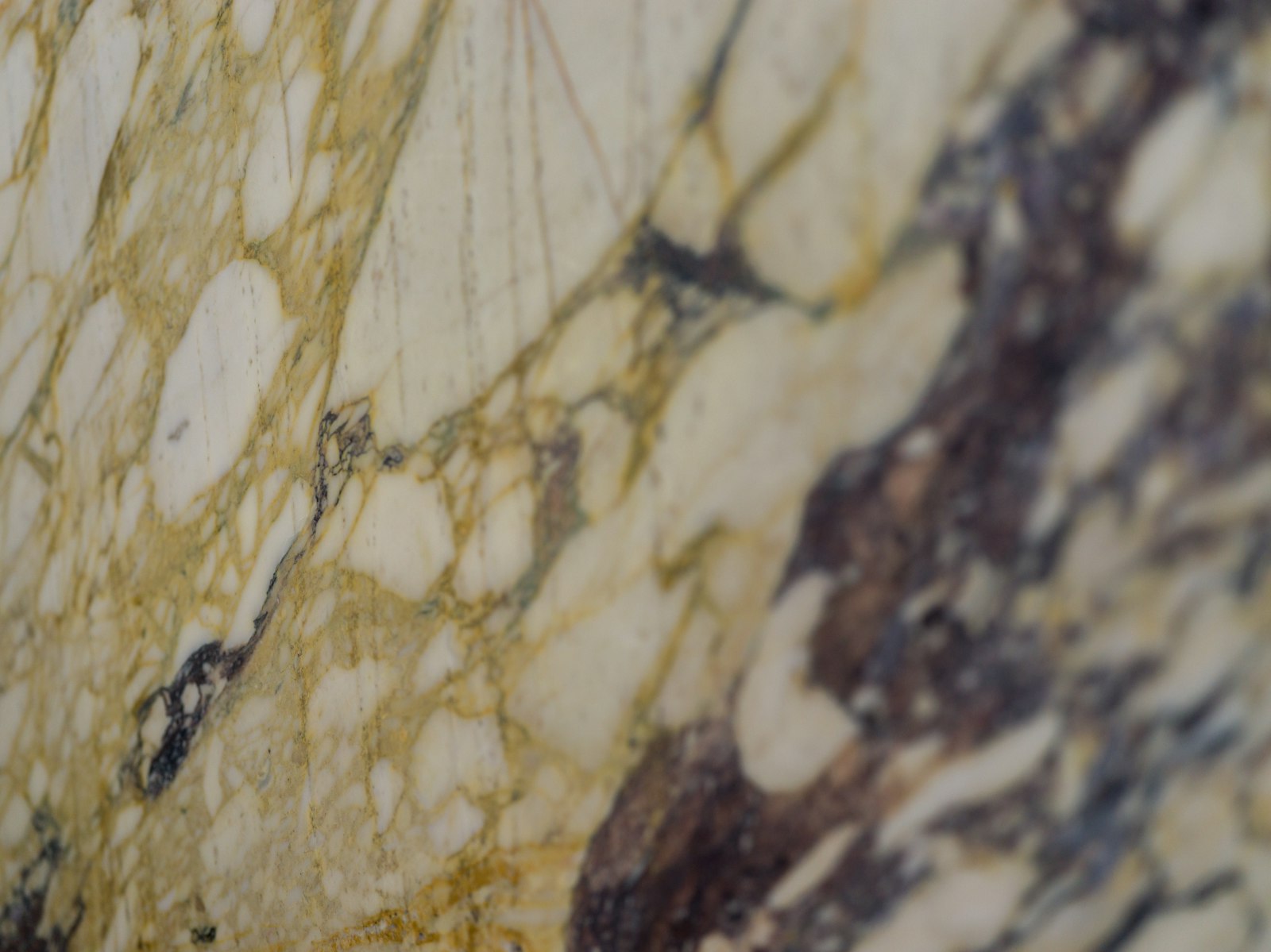
There is a moment when a bathroom stops being a functional room and becomes a genuine pleasure to be in, and few materials cross that threshold as decisively as verde marble. Deep green, shot through with veins of white and gold and paler jade, it is the boldest of the classic marbles, and it turns the most utilitarian room in the house into something closer to a chapel. The quiet luxury of the verde marble bath lies in a certain confidence: this is a stone that does not whisper, and yet, used well, it delivers its richness without ever tipping into vulgarity.
Green marble has been prized since antiquity, quarried and carried across empires for the columns of temples and the floors of palaces, and it carries all of that history in its depths. To line a bathroom in it is to bring a fragment of that grandeur into daily domestic life, which is precisely the sort of small, private extravagance that the considered home does so well. The trick, as always with a strong material, is knowing how much is enough.
Why green, and why now
For decades the default luxury bathroom was white or pale grey marble, cool, safe and slightly anonymous. Verde marble is the reaction: a material with colour, character and unmistakable presence. Its deep green reads as both natural and opulent, connecting the bathroom to the world of gardens and forests while remaining emphatically a luxury. In a room we increasingly want to feel like a retreat, that combination of the natural and the rich is exactly right.
The green also does something practical: it flatters. Warm light bouncing off green stone gives skin a healthy cast that clinical white marble never manages. It belongs to the same considered-materials thinking as the marble threshold, where the stone is chosen not for status alone but for the specific quality it lends the space.
The discipline of a bold stone
Verde marble is powerful, and power in a material demands restraint in its use. The commonest mistake is too much of it: floor, walls, vanity and bath all in the same dramatic stone, until the veining fights itself and the room feels like the inside of a jewel box. The better approach treats the marble as the star and gives it a quiet supporting cast. The same principle of restraint applies to a darker stone, as the quiet luxury of the Nero Marquina bath explores.
Use the green where it will be seen and touched, one stonemason advised, and let plainer materials do the rest of the work.
A single wall of verde behind a freestanding bath, or a run of it across a vanity top, delivers all the drama you need while keeping the room legible. Pair it with plaster, pale timber or a simpler stone floor such as limestone, and the green becomes a jewel rather than an assault.
Living with the stone
Marble is a natural material and behaves like one, which the honest buyer should understand going in. It is softer than granite, it can etch where acids touch it, and it develops, over years, a patina that many of us actively prefer to the factory finish. The verde marble bath is not for the person who wants a surface that never changes; it is for the person who understands that a natural stone earns its beauty by living.
Seal it well, wipe it down, and accept the gentle marks of use as part of the material’s character. This is the same bargain you strike with any real, unhurried material in the home, and it is a bargain worth making. For the wider question of choosing surfaces that will still look right in twenty years, the best materials for a statement bathroom sets out the field.
A room worth building
The verde marble bath makes the case that the bathroom deserves the same care and material ambition as any other room in the house, and perhaps more, because it is where the day begins and ends. Deep green stone, used with confidence and restraint, turns a routine into a small daily ritual and a functional room into a place you are genuinely glad to enter.
Where the green comes from
Part of the pleasure of a verde marble bath is knowing what you are looking at. The deep green stones sold under the broad name of verde marble come from quarries scattered across the world, and each has its own character: some are a dark, forest green threaded with fine white veins, others a paler jade shot through with gold, still others so densely marked that the surface reads almost black until the light finds it. Strictly, many of these stones are not marbles at all in the geologist’s sense but serpentines, harder and less porous than true marble, which is worth knowing because it affects how the stone behaves in a wet room.
Choosing between them is a matter of the room you want. A dramatically veined green, used on a single feature wall or a vanity top, delivers maximum theatre and wants a quiet setting around it to breathe. A more evenly coloured stone reads as calmer and richer, closer to a deep painted wall than to a piece of natural drama, and it can be used more generously without overwhelming the space. Ask always to see the actual slab rather than a small sample, because natural stone varies enormously across a single block, and the vein that runs quietly through a hand-sized offcut may dominate a whole wall. A good stone merchant will let you reserve the specific slabs and even lay them out so the veining can be matched across a run. That care in selection is where the quiet luxury really lives: not in the fact of green marble, but in the choosing of exactly the right green marble for exactly this room, so that the finished bath looks inevitable rather than merely expensive.
That is the quiet luxury of it: not the expense, which is real but beside the point, but the way a beautiful natural material can lift an ordinary moment. Choose the stone well, use it sparingly enough to let it breathe, and the verde marble bath will reward you every morning. For more on the materials that make a home, our Homes & Culture edit returns to stone, plaster and timber as the true bones of the considered interior.
Priya tours the homes most people only glimpse from the road, and asks how they are really lived in.