
The Quiet Luxury of the Shetland Jumper
The Shetland jumper wears its luxury lightly: rugged wool, heathered colour and honest craft. Why this unfussy sweater outlasts far grander knitwear.
 By Daniel Koh
1 September 2026 · 6 min read
By Daniel Koh
1 September 2026 · 6 min read
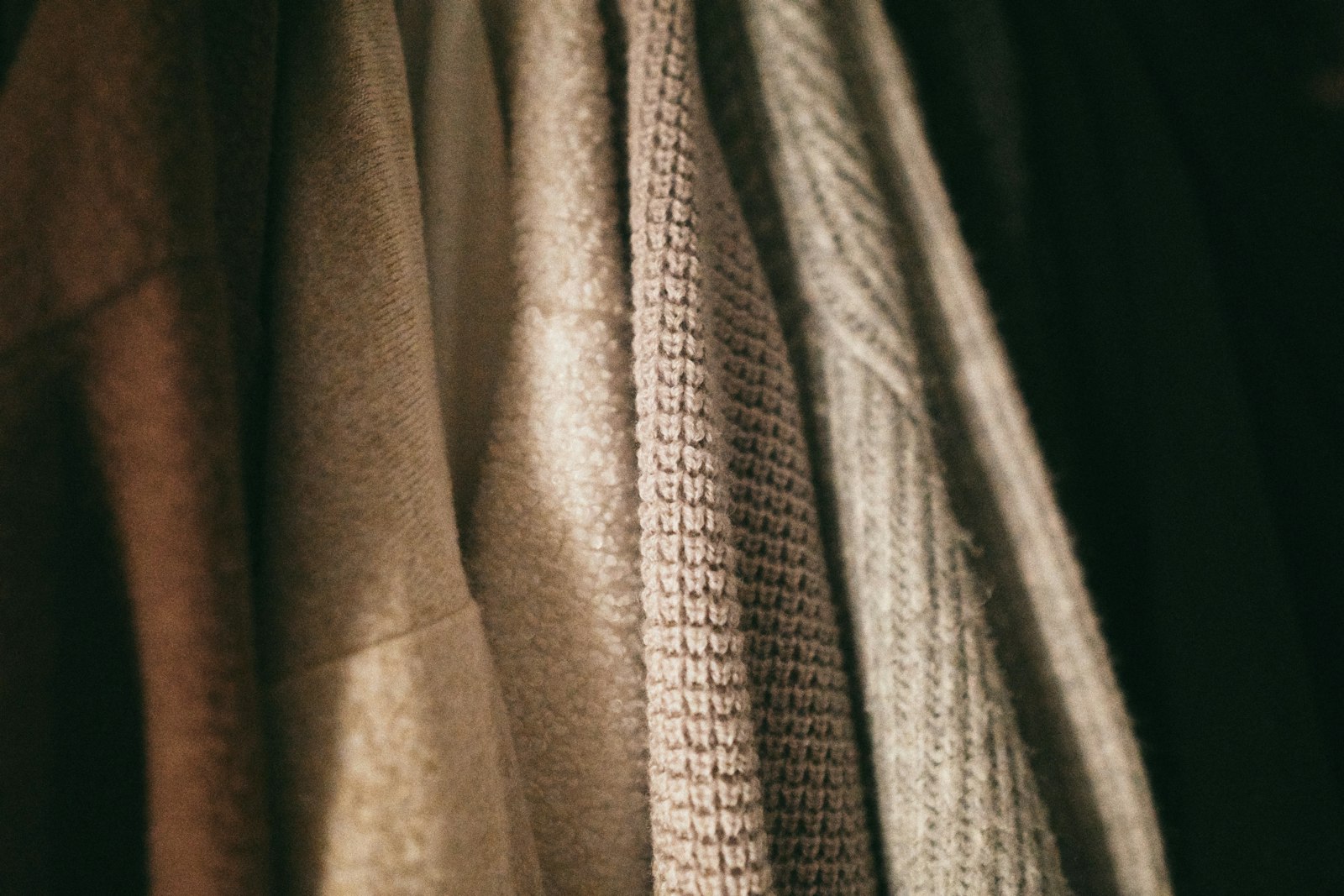
Quiet luxury has become a marketing phrase, which is a shame, because there are garments that embodied it long before anyone thought to sell it. The Shetland jumper is one. It is warm, it is hardwearing, it is made from the wool of sheep that graze a windswept archipelago at the top of Scotland, and it costs a fraction of the cashmere it will outlast. It asks for no attention and rewards a great deal. That is luxury as a point of view rather than a price tag, which is the only kind worth having.
Wool with a job to do
The wool of the Shetland sheep evolved for weather. These are small, hardy animals that survive on a treeless group of islands where the wind rarely stops, and their fleece is correspondingly robust — not the softest wool on earth, but springy, warm, and remarkably resilient. Spun and knitted, it produces a jumper with a slightly rustic hand that softens with wear and washing without ever going limp.
That faint ruggedness is the point. A Shetland jumper is not meant to be delicate. It is meant to be pulled on over a shirt, worn on a cold walk, snagged on a fence, and thrown in a drawer, and to come out the better for it. Where fine cashmere pills and thins under real use, Shetland toughens. It is the knitwear equivalent of a good field jacket: designed by the requirements of a hard place, and beautiful because of it. For getting the most out of any good sweater, our guide to caring for fine knitwear applies here too, with a lighter touch — Shetland forgives what cashmere does not.
The colour is half the pleasure
Look closely at a good Shetland jumper and the colour is not flat. It is heathered — spun from a blend of differently dyed fibres, so that a “lovat” green is shot through with flecks of gold and blue, and a “moorit” brown carries threads of rust and grey. This is a traditional Shetland technique, and it gives the wool a depth that a single solid dye never achieves. In daylight the colours shift and move; the jumper looks like the landscape it comes from.
The classic palette follows that landscape: peat browns, heather purples, sea greys, lichen greens, oatmeal creams. These are colours that partner easily with the rest of a considered wardrobe and flatter almost every complexion. If the heathered, countryside register appeals, the same sensibility runs through the Fair Isle vest, Shetland’s patterned cousin from the same waters.
How to wear it
The Shetland jumper is happiest dressed down, but it is far more versatile than its rugged origins suggest.
- Over an oxford shirt with the collar out, above grey flannels — the enduring collegiate look, and none the worse for being familiar.
- Under a tweed jacket, where the two textures play off each other and the jumper adds warmth without bulk.
- Alone over a shirt on a cold day, sleeves pushed up, doing the honest work it was made for.
A crew neck is the traditional and most useful shape; a saddle shoulder is the connoisseur’s detail, giving a cleaner line across the shoulder. Buy it to fit close but not tight, with enough room for a shirt underneath, because that is how it is meant to be worn. The full case for the shape, and the mills that still knit it properly, is laid out in the enduring style of the Shetland sweater.
The Shetland jumper is proof that luxury and toughness are not opposites. It is the most hardwearing thing in the drawer and, worn in over years, quietly the most beautiful.
There is a broader lesson in the Shetland jumper about where real value in clothing lives. The most expensive fibre is not always the most rewarding one to own; a robust wool that can be worn hard and washed often, that improves rather than degrades with use, gives back more over a decade than a delicate luxury fibre babied in a drawer. The Shetland is knitwear you can actually live in — pulled on for a cold walk, worn on a boat, thrown over a shirt on a raw morning — and it is precisely this hard, everyday use that brings out its beauty. A jumper too precious to wear roughly is a jumper that never develops any character at all. The Shetland asks to be used, and rewards the using, which makes it not only the more sensible purchase but very often the more pleasurable one. It is luxury measured in years of wear rather than in the price on the swing ticket.
Why it lasts
A Shetland jumper improves with age in a way few garments do. The wool blooms with washing, the surface softening as the fibres relax, and the colour deepens as it fades a little. A jumper worn and washed for a decade develops a character that a new one cannot fake — this is the patina of honest use, and it is the whole reward. Because the wool is robust, it survives that decade where a softer fibre would not; because it was inexpensive to begin with, wearing it hard carries no anxiety.
Care is minimal. Wash by hand or on a wool cycle in cool water, dry flat, and store folded rather than hung so the shoulders keep their line. Moths love wool, so a cedar block and an airtight box over summer are worth the trouble. Do all this lazily and the jumper still survives; do it well and it outlives the decade with ease. For the connoisseur’s view of the wool itself, our note on everyday Shetland wool knits is the deeper dive.
The quiet case
What makes the Shetland jumper quietly luxurious is that it needs no explaining and rewards every year you own it. It is warm, it is tough, it is beautiful in a way that has nothing to do with logos or price, and it comes from a real place with a real tradition behind it. Buy one in a heathered colour that suits you, wear it hard, and let it become the thing you reach for when the weather turns. For how a piece like this anchors a wardrobe built to last, the rest of our Style & Watches writing carries the argument on.
Daniel has spent fifteen years arguing that the best watch is the one you never take off.


