
The Enduring Style of the Fair Isle Vest
Fair Isle's stranded colourwork has cycled through menswear for a century, and the sleeveless vest remains its most quietly enduring, practical form.
 By Daniel Koh
31 August 2026 · 6 min read
By Daniel Koh
31 August 2026 · 6 min read
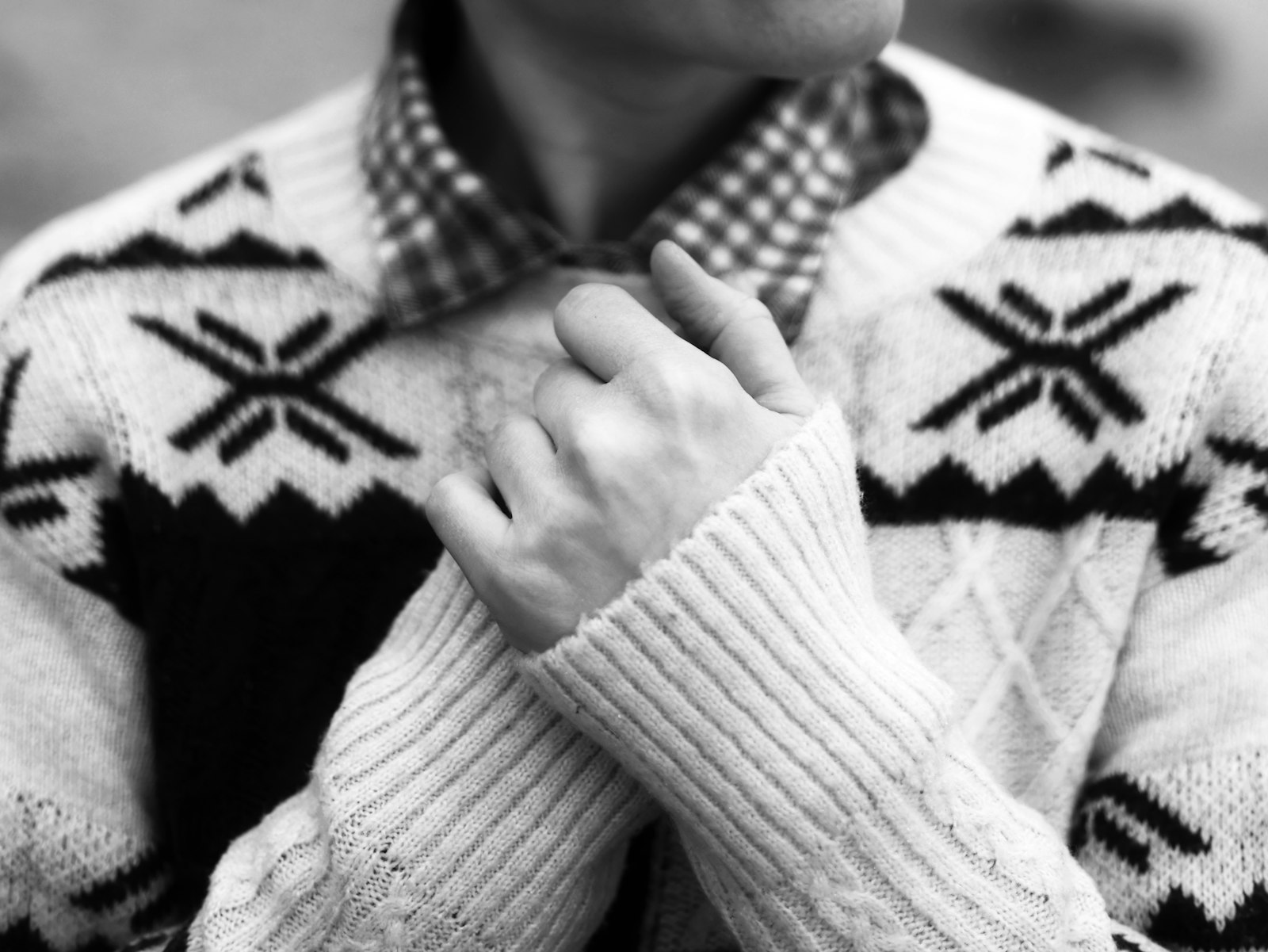
Fair Isle, a tiny island at the northern edge of Britain’s Shetland archipelago, gave its name to a knitting technique that has outlasted almost every trend it has ever brushed against — a patterned, stranded colourwork tradition developed by island knitters working with limited, hardy local wool and a striking visual vocabulary of bands, crosses and stars. The sleeveless version, the vest or tank, has proven the most durable garment to emerge from that tradition, cycling in and out of mainstream fashion for the better part of a century while never fully disappearing from a considered wardrobe.
What genuine Fair Isle knitting actually involves
True stranded colourwork, of the kind practised on Fair Isle for generations, uses only two colours in any single row, with the unused colour carried loosely across the back of the work between stitches rather than cut and rejoined. This technique, demanding but not technically as complex as intarsia, allows for genuinely intricate multicoloured patterns while keeping the fabric doubled and consequently warmer — a practical response, originally, to the island’s harsh, wind-exposed climate rather than a purely decorative choice.
The traditional colour palette drew on the natural, undyed shades of native Shetland sheep — a range running from cream through soft browns to a deep charcoal — supplemented sparingly with a small number of dyed colours, since dye was historically expensive and imported. Modern Fair Isle knitwear has expanded well beyond this restrained original palette, though the best contemporary pieces still nod to it, favouring a handful of well-chosen tones over the more saturated, high-contrast versions that flooded the market during the style’s more commercial revivals.
Why the vest, specifically, has endured
Unlike the full-sleeve Fair Isle jumper, which has moved in and out of fashion in a fairly predictable cycle, the sleeveless vest has occupied a more consistently useful role: a layering piece rather than a statement garment in its own right, worn over a shirt and under a jacket, or alone on a cooler evening. That layering flexibility has kept it relevant across shifts in broader menswear trends in a way few other patterned knitwear pieces have managed, since it solves a genuinely practical problem — adding warmth and visual texture to an outfit without adding bulk to the arms or shoulders — regardless of whatever else happens to be fashionable in a given season. Those who prefer the sleeved original will find its proportions and palette covered in our guide to the perfect Fair Isle jumper.
Its golfing associations, particularly strong through the mid-twentieth century, have also lent the garment a slightly rakish, old-world charm that later generations have leaned into rather than away from — worn now less as sportswear and more as a considered nod to a specific, well-defined aesthetic lineage that a plain crewneck jumper simply doesn’t carry.
Choosing a well-made Fair Isle vest
- Genuine stranded colourwork, checked by examining the inside of the garment — the carried yarn strands should be visible and consistent, not a printed or machine-jacquard imitation.
- Shetland or a comparably hardy, slightly textured wool, which holds the pattern’s definition better than a smoother, softer merino over time.
- A restrained, tonal palette for maximum everyday versatility, reserving bolder multicoloured versions for occasions where the vest is meant to stand out deliberately.
- Ribbed trim at the armholes and hem, which holds its shape considerably better across repeated wear than a plain rolled or bound edge.
Readers building a considered knitwear rotation should also look at our guides to the return of the waistcoat, which covers a tailored counterpart to this same layering role, and the knitwear worth investing in for a broader survey of the category. For a related patterned knitwear tradition with its own strong regional identity, the enduring style of the sea-island knit offers a useful point of comparison.
“You can tell a real Fair Isle piece by the back of the fabric, not the front — the floats have to be even, or the whole thing puckers,” a Shetland-trained knitter told us, turning a half-finished vest inside out to demonstrate.
Styling it for a modern wardrobe
A Fair Isle vest works best layered rather than worn alone, over a simple oxford shirt or a fine merino roll-neck, where the patterned knitwear becomes the outfit’s clear focal point without competing against another busy layer beneath it. Kept plain underneath and paired with equally simple trousers, the vest carries enough visual interest on its own that the rest of the outfit benefits from staying deliberately restrained.
For warmer climates, a lighter-weight cotton or cotton-linen blend Fair Isle vest offers a genuinely wearable alternative to the traditional wool version, trading a small amount of the pattern’s crispness for a garment that can actually be worn comfortably for an entire evening in Singapore’s climate rather than reserved purely for travel. It won’t carry quite the same tactile weight as a proper Shetland wool piece, but it preserves the pattern’s visual charm in a form suited to daily local wear.
A pattern that resists going out of style
Few knitwear traditions have proven as durable, across as many decades and as many shifts in broader fashion, as Fair Isle’s stranded colourwork. Owning a genuinely well-made vest in this tradition — rather than a cheaper, printed imitation of the pattern — connects a modern wardrobe to a specific, centuries-old craft lineage that shows no sign of fading from relevance any time soon.
Caring for a genuine piece
Hand washing in cool water with a mild wool-specific detergent remains the safest approach for a proper Shetland Fair Isle vest, since the natural lanolin retained in traditionally processed wool can be stripped by harsher detergents or machine agitation, leaving the fabric noticeably coarser over time. Dry flat, reshaping the garment gently while damp rather than hanging it — wet wool stretches considerably under its own weight, and a vest hung to dry will lose its proportions within a single wash. Stored folded rather than hung, away from direct sunlight that can fade the pattern’s more delicate natural tones unevenly, a well-made Fair Isle vest will hold both its shape and its colour for decades of regular wear, ageing, if anything, into an even softer and more characterful version of itself — precisely the kind of slow improvement that separates genuine heritage knitwear from anything mass-produced to a seasonal deadline.
Explore further considered knitwear guidance in our Style & Watches section.
Daniel has spent fifteen years arguing that the best watch is the one you never take off.


