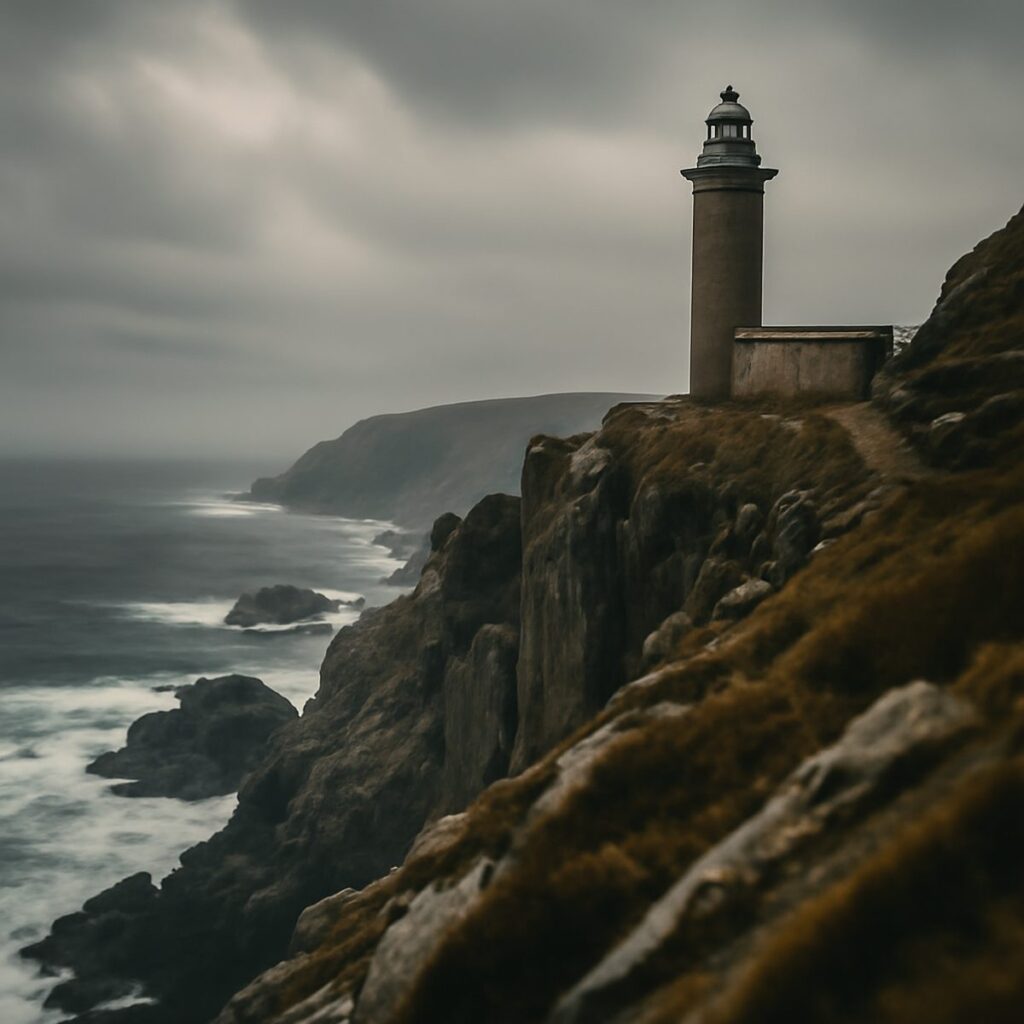
The Quiet Islands of the Sound of Mull
Between Mull and the mainland runs a channel of small, half-forgotten islands where the light does the talking and the ferries keep their own patient time.
 By Marcus Lim
2 September 2026 · 7 min read

There is a stretch of water off the west coast of Scotland where the mainland and the great island of Mull lean toward one another, and in the channel between them the sea narrows into something almost like a river. This is the Sound of Mull, and scattered along it and around its mouths are islands so small and so quiet that most travellers pass them entirely, eyes fixed on the bigger destinations further out. To linger here instead, to let the ferries and the tides set your pace, is to find one of the last genuinely unhurried corners of the Inner Hebrides.
These are not islands of grand sights. There is no single monument to tick off, no famous view demanding to be photographed. What they offer instead is subtler and, for the right traveller, far more valuable: a landscape that asks you to slow down until you can read it. The pleasure is in the light on the water, the silence between the calls of seabirds, the way an afternoon can pass with nothing achieved and everything felt.
A geography of small crossings
Travel here is a matter of small boats and patient timetables. Ferries thread between the islands and the mainland on schedules dictated as much by weather as by clock, and part of the discipline of the place is surrendering to them. A crossing that takes twenty minutes can reshape a whole day, and a cancelled sailing can strand you somewhere better than where you meant to be. This is slow travel in its truest sense, the antithesis of the itinerary packed tight, and it rewards exactly the sort of unhurried planning described in building a slow itinerary.
The islands themselves are low and green and worn soft by weather, ringed with rock and machair, that fertile flowered grassland that fringes so many Hebridean shores. Sheep outnumber people by a wide margin. Single-track roads end at slipways. The whole scale of the place is human and small, and there is a deep restfulness in that smallness after the vastness of the mainland mountains. Those who love this landscape often seek it out along the whole western seaboard, in the kind of retreats catalogued among the coastal meadow country of the west.
The light, and the weather that makes it
You come to the Sound of Mull for the light, though you cannot plan for it. The Hebridean sky is rarely still; cloud and sun chase each other across the water, and the same hillside can shift from grey to gold to silver in the span of an hour. When the weather breaks, the effect is extraordinary — shafts of sun falling through torn cloud onto the sea, the islands lit and darkened in turn, the whole channel briefly transfigured. When it closes in, there is a different beauty, low and moody and enclosing, rain moving in visible curtains up the sound.
This is not a landscape for those who need blue skies to enjoy themselves. It is weather country, and its moods are the point. Bring good waterproofs, expect to be rained on, and understand that the finest hours often come immediately after the worst. The reward for patience is a coast that reveals itself slowly, in the same way the great sea lochs of the west do, and it is worth seeing it in the company of the deep sea-loch escapes of the Highlands.
You do not visit the Sound of Mull so much as wait upon it, and it repays the waiting in light no camera has ever quite held.
What to do, which is to say very little
The honest answer to what one does here is: walk, watch, and wait. Walk the shore paths and the low hills, keeping an eye out for otters working the tideline and for the eagles, both golden and white-tailed, that ride the thermals overhead. Watch the water for the dark backs of porpoises and the occasional minke whale that follows the fish into the sound. Sit outside a whitewashed inn with something local and let the evening come on. There is fishing, and boat trips, and small distilleries, but the deepest pleasure is simply presence.
Accommodation is modest and characterful: converted crofts, small family-run inns, the odd more comfortable lodge. Book ahead, because there is little of it, and expect warmth rather than grandeur. In high summer the days stretch improbably long, the light lingering past ten at night, and the islands feel almost Mediterranean in their generosity of daylight. These are the months the Highlands are at their most seductive, the season celebrated in the best of the Highland summer.
The case for going now
It is worth arriving with the right expectations. This is not a place for those who need their comforts guaranteed or their days filled; the weather can strand you, the choices are few, and the pleasures are quiet ones. But for the traveller who can meet the islands on their own terms — who can sit out a squall with a book and be rewarded when the light finally breaks — there are few corners of Britain so restorative. The Sound of Mull asks patience, and returns something increasingly hard to find: genuine, unhurried peace.
The quiet islands of the Sound of Mull are quiet for a reason: they are hard to reach, poorly served by fast transport, and offer none of the obvious spectacle that draws the crowds elsewhere. That difficulty is also their protection, and it will not last forever. For now, they remain a place where you can walk a shore for an afternoon and meet no one, where the loudest sound is the wind and the water, and where time runs on the tide rather than the clock. For the discerning traveller willing to slow down to their pace, there are few finer places to be forgotten for a while. For more journeys made in this unhurried spirit, the Travel and Stays desk is the place to wander next.
Frequently asked questions
Which islands lie along the Sound of Mull?
The Sound of Mull separates the Isle of Mull from the Morvern peninsula on the mainland. Nearby are smaller islands including Calve Island near Tobermory and, towards its southern mouth, Lismore and Kerrera near Oban. Further out, Ulva, Iona, Staffa and the Treshnish Isles are within easy reach.
How do you get to the Isle of Mull?
CalMac ferries run from Oban to Craignure on Mull, a crossing of about 45 minutes, and from Lochaline on Morvern to Fishnish across the Sound. A smaller summer ferry links Kilchoan and Tobermory. Booking vehicle space in advance is wise, particularly during the summer months.
What wildlife can you see around the Sound of Mull?
The area is known for white-tailed and golden eagles, otters, seals, porpoises, dolphins and occasionally minke whales. Puffins nest on the Treshnish Isles and Staffa in early summer. Wildlife boat trips from Tobermory and other harbours offer excellent chances of seeing marine life.
When is the best time to visit the Inner Hebrides?
May and June often bring the best combination of long daylight, relatively settled weather and wildlife such as nesting puffins. September offers quieter roads and lovely light. Weather can change quickly year-round, so pack waterproofs and layers. Midges are common in summer, especially on still evenings.
Is Tobermory a good base for exploring Mull?
Yes. Tobermory, with its brightly painted harbourfront, offers accommodation, restaurants, a distillery and boat trips for wildlife and island excursions. It is well placed for northern Mull and the Sound. Craignure and Fionnphort are better bases for reaching Iona and the south of the island.
Marcus writes on travel and hospitality across Asia, and is happiest a long way from a lobby.