The Quiet Craft of the Sash Window
Counterweighted, perfectly proportioned and built to last centuries, the sash window is a quiet feat of Georgian engineering worth understanding and preserving.
 By Priya Nair
2 September 2026 · 6 min read
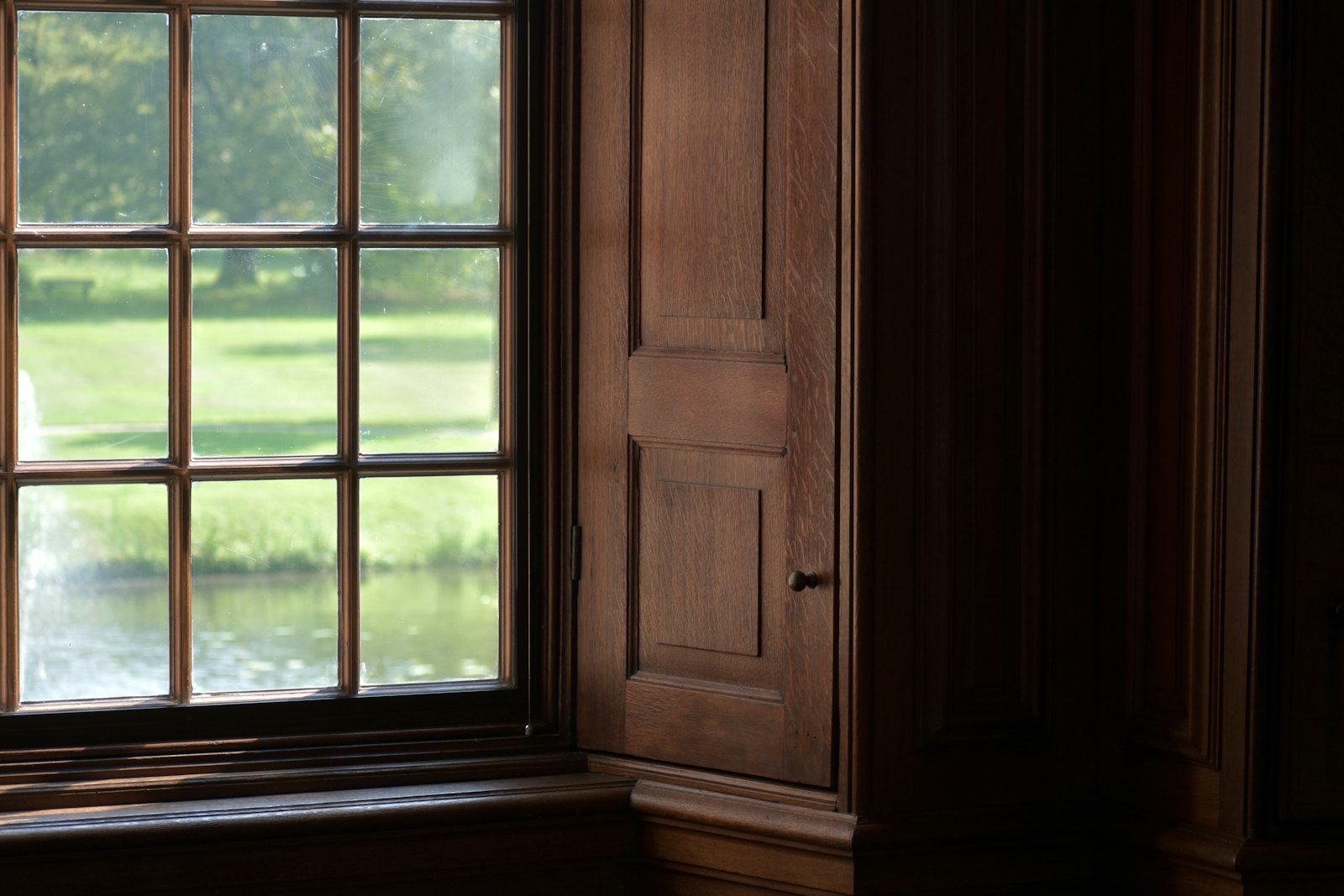
There is a whole discipline of engineering hidden inside something most of us never think about twice. The sash window — that tall, elegant, vertically sliding window that defines the Georgian and Victorian street — is a small masterpiece of counterweights, cords and joinery, refined over three centuries and still, when made well, unmatched. To understand it is to see the ordinary streetscape with new eyes, and to appreciate why the good ones are worth saving at almost any cost.
The principle is beautifully simple. Two glazed frames, or sashes, slide vertically past one another within a boxed frame. Each is balanced by a weight of iron or lead, hung on a cord over a pulley and hidden inside the hollow jambs. Because the weights exactly counter the sashes, a window that might weigh a great deal can be raised with one finger and will stay wherever you leave it. It is elegant physics dressed as a piece of furniture.
Why proportion is everything
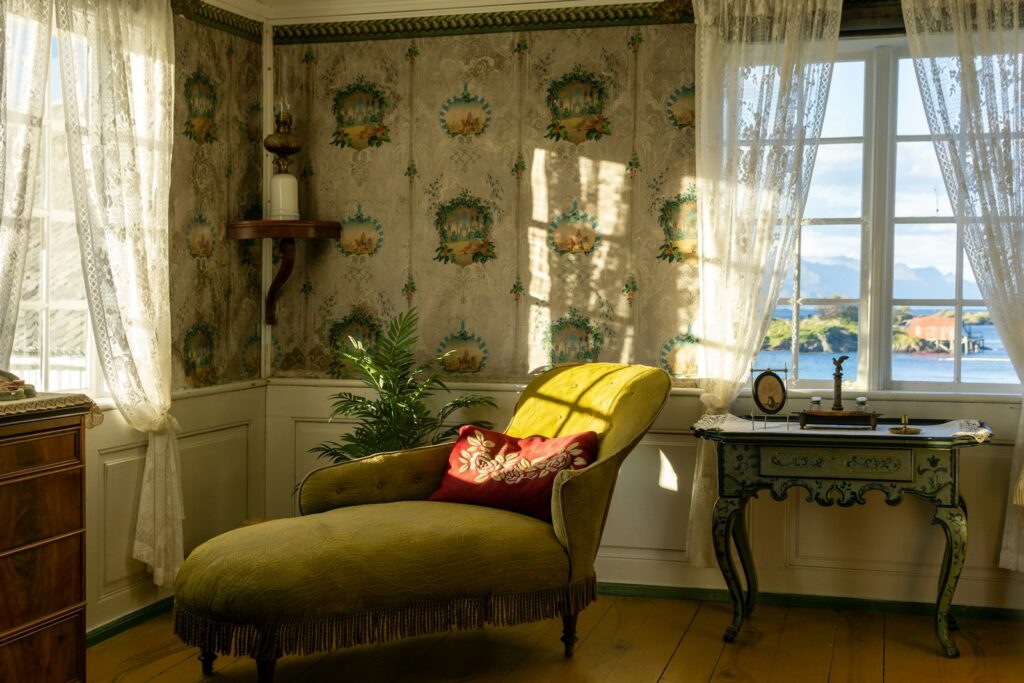
The reason a Georgian terrace looks so serene has almost everything to do with its windows. The proportions were not arbitrary; they followed rules of ratio inherited from classical architecture, so that windows grew shorter as they climbed the facade, and the glazing bars divided each opening into panes of pleasing regularity. The eye reads this order without naming it, which is why a street of original sash windows feels calm and a street of mismatched replacements feels subtly wrong. The glazing above the front door often completes that order, as our piece on the quiet craft of the fanlight describes.
Those slender glazing bars matter more than their thickness suggests. Early sashes had thick bars because glass came in small pieces; as glassmaking improved, the bars grew finer and the panes larger, until the grandest Victorian windows held single sheets. A restorer can often date a house within a few decades from the bars alone. The same attentiveness to a single architectural element runs through our writing on the quiet craft of the bay window, where proportion and glazing again do the quiet work of making a room feel right.
The craft in the box
What you cannot see is what makes a sash window remarkable. Behind the visible frame sits a hollow box housing the weights, and the whole assembly is a piece of precise joinery — mortised, pegged and fitted so that the sashes run true for a century or more. The cords are replaceable, the weights are eternal, and a competent joiner can bring a two-hundred-year-old window back to smooth working order with a few hours’ patient work. Nothing about it is disposable, which is the quiet scandal of ripping such windows out.
This repairability is the heart of the case for the sash. A modern sealed unit that fails must be thrown away whole; a traditional sash is a system of parts, each of which can be renewed. Rotten sections of timber are spliced out and new wood let in; broken cords are re-threaded; loose joints are re-wedged. Cared for, a sash window will outlast the people who install it many times over — the same logic of maintain-rather-than-replace that we make for the window shutter, itself a natural companion to the sash.
A good sash window is not a fixed object but a living mechanism. It expects to be maintained, and in return it lasts for centuries — a bargain almost nothing in the modern home can match.
Living with a sash window
The pleasures of a working sash are daily and small. Because both sashes move, you can open the top and bottom together to set up a gentle convective draught — warm air out at the top, cool air in at the bottom — a form of natural ventilation that no fixed pane allows. The satisfying weight and glide of a well-balanced sash, the soft thud as it seats, the way it holds exactly where you leave it: these are the tactile rewards of good engineering, and they do not fade. Those weighing how to dress such windows without hiding their workings will find our guide to choosing the right blinds and shades useful.
There are quirks to accept. Old sashes rattle in a gale and can let in a draught, though both are curable with discreet brush seals that leave the appearance untouched. And the deep reveal a sash creates — that generous sill and boxed frame — is one of the loveliest features of a period room, a natural home for a cushioned seat or a run of plants. It is no accident that the window seat grew up alongside the sash; the two belong together, as our piece on the enduring appeal of the window seat explores.
Dressing and keeping it well
A sash window rewards restraint in how it is dressed. Because the frame itself is so well-proportioned, heavy or fussy treatments fight it; the best rooms let the window read clearly and add only what the light and privacy demand. Interior shutters, folded back into the reveal by day, are the historically correct and quietly luxurious answer, though a simple curtain hung to fall clear of the glass works just as well. The wider question of how to treat a period window is one we take up in our guide to choosing curtains and window dressing.
It is worth adding a word about draughts and warmth, since this is the objection most often raised against the old sash. A neglected sash window will indeed let the weather in, but the fault lies in the neglect, not the design. Discreet brush seals set into the frame, a well-fitted internal shutter closed on a cold night, and a heavy curtain hung to fall clear of the glass together make a serviced sash every bit as snug as a modern unit, while keeping the slender profile and the moving mechanism that make it beautiful. The choice is rarely between a sash and comfort; it is between a sash maintained and a sash left to rot.
If you are lucky enough to have original sashes, the single most valuable thing you can do is keep them. Find a joiner who understands them, service the cords before they snap, keep the timber painted and the weep holes clear, and resist every salesman who tells you they must be replaced. A restored sash outperforms most of what would replace it, costs less over its life, and keeps faith with the street it belongs to. For more small, load-bearing details of the well-made home, our homes and culture desk returns to them often — the quiet craft that most people walk straight past.
Priya tours the homes most people only glimpse from the road, and asks how they are really lived in.