The Quiet Craft of the Perfect Risotto
Risotto rewards patience and a little attention. Here is the quiet method behind a plate that turns out creamy, loose and quietly perfect every time.
 By Renée Tan
1 September 2026 · 6 min read
By Renée Tan
1 September 2026 · 6 min read
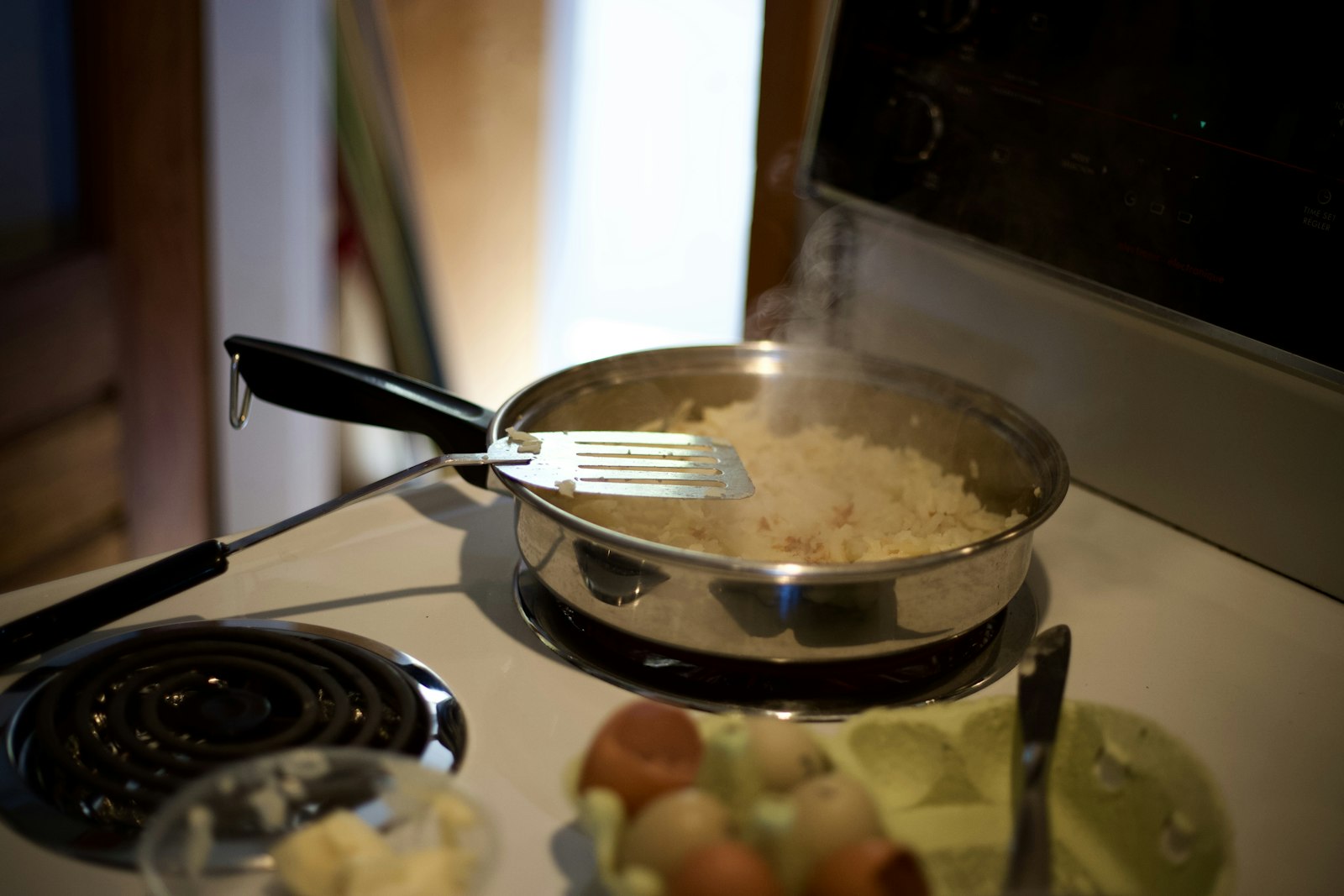
There is a particular kind of cook who treats risotto as a chore, standing over the pan with a martyr’s expression, stirring as though the dish demanded penance. That is a misreading. Risotto is not difficult; it is simply attentive. It asks for twenty unhurried minutes and a little judgement, and in return it gives you one of the most forgiving and generous plates in the Italian repertoire. Learning how to make risotto well is less about a recipe than about learning to read a pan.
Begin with the rice
Everything rests on the grain. You want a short, round, high-starch rice — carnaroli for its structure and forgiveness, arborio for its plump familiarity, vialone nano for a looser, quicker result. What matters is the starch on the outside of each grain, because that starch is what will dissolve into the liquid and give you the creaminess that never involves a drop of cream. Do not rinse the rice. Rinsing washes away exactly the thing you are trying to coax out over the next quarter of an hour. Short-grain rice plays a very different role in Korean cooking, as our piece on the perfect bibimbap explains, where the grain stays distinct rather than creamy.
The other quiet decision is the stock. A risotto is only as good as the liquid you feed it, which is why a homemade base repays the trouble; if you have never made your own, a primer on stock and broth is the place to start. Keep it hot in a pan beside you. Cold stock hitting warm rice stalls the cooking and muddies the texture.
The toast and the wine
Begin with a soffritto — finely diced onion or shallot softened gently in butter or oil until translucent but never coloured. Then add the dry rice and let it toast for a minute or two, stirring, until the grains turn faintly translucent at the edges and smell nutty. This step, the tostatura, sets the grain so it holds its bite to the end.
A glass of dry white wine goes in next, hissing against the hot pan. Let it cook away almost completely before you add any stock. The alcohol lifts, the acidity stays, and that thread of brightness is what keeps a rich dish from turning heavy.
The rhythm of the ladle
Now the meditative part. Add hot stock a ladle at a time, enough to just cover the rice, and stir. When the liquid has almost gone, add the next ladle. The stirring is not superstition — it agitates the grains against one another, releasing the surface starch that builds the sauce. You are not frying and you are not boiling; you want a steady, lazy simmer, the surface barely breaking.
Taste as you go. After about sixteen minutes the grains should be tender with a whisper of resistance at the centre — al dente, but only just. This is the moment restraint matters most. It is far easier to loosen a slightly firm risotto than to rescue a claggy, overcooked one. The same restraint and attention apply to a pasta shaped by hand, as our piece on the craft of the perfect orecchiette describes.
A finished risotto should never stand up in a dome on the plate. It should spread slowly, like a wave settling — what the Italians call all’onda, on the wave.
The final beat
Off the heat comes the step that separates the good from the memorable: the mantecatura. Beat in cold butter and a generous handful of grated hard cheese, stirring vigorously, then cover the pan and let it rest a minute. The fat emulsifies with the starchy liquid and the risotto turns glossy and loose. If it looks too thick, loosen it with a final splash of hot stock. Brown butter can add a nuttier depth here, a trick worth borrowing from the case for cooking with brown butter.
From this base you can go anywhere. A saffron risotto alla milanese, austere and golden. Mushroom, with the pan deglazed in their soaking liquor. Pea and mint in spring, or a slow-braised ragù folded through in winter — the same patience that rewards the art of the braise serves you well here too. The method never changes; only the season does.
A few honest mistakes
- Boiling instead of simmering, which cooks the outside before the centre softens.
- Under-seasoning early and over-correcting late; season the stock, taste the rice.
- Skimping on the resting minute, when the dish quietly pulls itself together.
- Serving it too hot straight off the heat, when a moment’s rest deepens everything.
Building your instinct
What separates a confident risotto cook from an anxious one is not a better recipe but a better sense of the pan. After you have made it half a dozen times you stop measuring the stock and start reading the rice — you can see when a ladleful has almost gone, hear the change in the pan’s sound as the liquid tightens, feel through the spoon when the grains have released enough starch to turn glossy. These are not mystical skills. They are simply the rewards of having done a thing with attention a few times over, and they arrive faster than you would expect.
It helps to think about the finished texture before you begin, because that decides how loose to keep it. A risotto served on a flat plate wants to be looser, spreading to the edges; one served in a bowl can hold together a little more. In either case, err towards loose — a risotto stiffens noticeably in the minute between the pan and the table, and what looked perfect in the pot can arrive claggy if you cut it too fine. Keep the hot stock beside you to the very end for exactly this reason, ready to loosen it with a final splash the moment before it leaves your hands.
Season in layers, too, rather than all at once. A well-seasoned stock does most of the work, but taste at the halfway point and again at the end, adjusting gently. The cheese adds salt of its own, so hold back a little until it goes in. Get into these small habits and the dish becomes almost automatic — a thing you make without thinking, the way you might scramble an egg, rather than an ordeal you steel yourself for.
Risotto is a weeknight dish dressed as an occasion, and once the rhythm is in your hands you will stop reaching for the recipe. Pour yourself the rest of the wine, or think about how the plate might sit at a table — a good risotto holds its own beside a considered glass, something how to match wine and cheese touches on obliquely. For more of the quiet, first-hand cooking we return to again and again, our dining and drinks pages are the place to linger. The perfect risotto is not a trophy. It is a Tuesday, done with a little care.
Renée has covered Singapore's restaurants for over a decade, with a soft spot for the kitchens most people walk past.