The Quiet Craft of the Built-In Banquette
The built-in banquette is no compromise but one of the oldest smart moves in the home: seating more, calming the room and hiding a cupboard beneath the seat.
 By Priya Nair
1 September 2026 · 6 min read
By Priya Nair
1 September 2026 · 6 min read
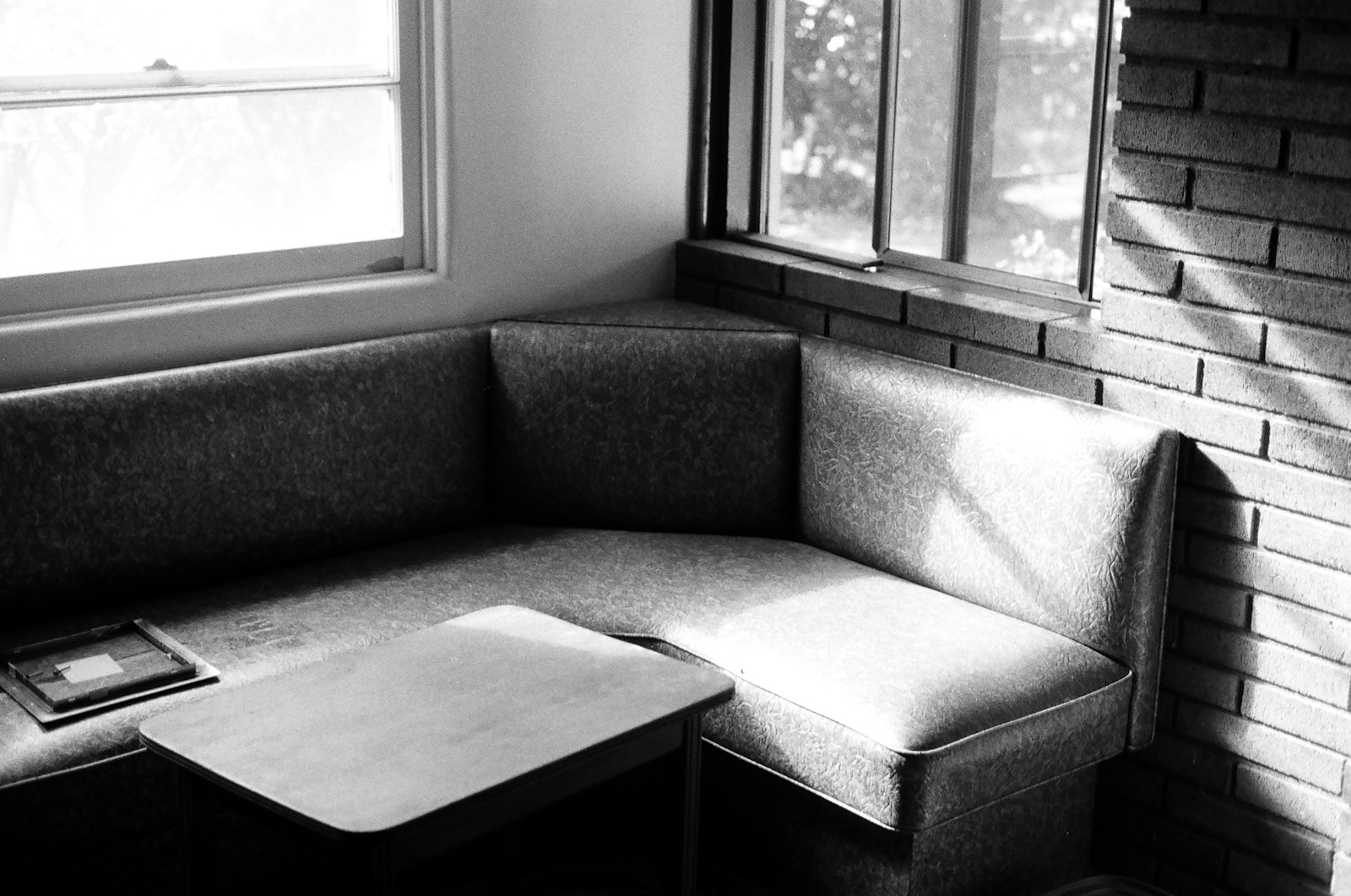
There is a moment in most kitchen renovations when someone suggests, almost apologetically, that a bench along the wall might work better than chairs. It is easy to dismiss as a compromise — the thing you do when the room is too narrow for a proper table setting. But the built-in banquette is not a compromise. It is one of the oldest and most intelligent moves in domestic design, a piece of joinery that does three jobs at once and does them with a quiet grace that a set of matching chairs can never manage.
Why the banquette earns its keep
Consider what a bench along a wall actually delivers. It seats more people in less space, because bodies pack more efficiently on a continuous run than on discrete chairs with their splayed legs and required clearance. It removes the visual clutter of chair backs, so the room reads calmer and larger. And, done properly, it hides storage in its base — a deep, lidded volume for the things every kitchen accumulates and has nowhere to put. That last point aligns the banquette with the broader logic of the case for custom built-ins, where fitted joinery consistently outperforms freestanding furniture on both space and serenity.
There is a social argument too. A banquette gathers people. Slide in beside someone on a bench and the geometry of the meal changes — shoulders closer, the table a shared surface rather than a set of defended territories. Children love them for the same reason adults quietly do: the corner seat, backed on two sides, is the safest and most coveted spot in the house.
The anatomy of a good one
Most disappointing banquettes fail on the same handful of dimensions, and most excellent ones get the same handful right.
- Seat height and depth. A dining banquette wants a seat around 450mm high and 450–500mm deep — shallower than a sofa, so you sit up to eat rather than sinking back.
- The back angle. A slight recline, two or three degrees off vertical, transforms comfort. A dead-upright back turns dinner into an ordeal.
- The cushion. Firm foam, not soft; a soft seat bottoms out and drops you below the table. Upholster it in something you can wipe or, better, unzip and wash.
- The gap. Leave a small recess at the base — a toe kick — so you can pull in close without stubbing your feet against the plinth.
The material of the frame matters less than these proportions, but it sets the mood. Painted timber reads crisp and English; oiled oak or teak reads warm and Scandinavian; a plastered or tiled base grounds the bench and shrugs off scuffs. Whatever you choose, the banquette should feel built into the architecture, not parked against it — the whole point is permanence. Where a fixed banquette is not possible, a freestanding alternative can achieve much of the same sociability, as our guide on choosing the right dining bench explains.
The seat that becomes a cupboard
The best banquette is the one whose second life as storage nobody notices until you lift the lid.
The hollow base is the banquette’s secret weapon, and it is astonishing how often it is wasted. A run of bench two metres long yields a substantial volume beneath — enough for the serving platters used twice a year, the tablecloths, the overflow of a small kitchen. The two workable mechanisms are the hinged lid, simple and cheap but requiring you to clear the seat to open it, and the drawer on runners, which costs more and pulls out from the toe kick without disturbing the cushions. For anything you reach for regularly, spend on the drawers. This is exactly the kind of hidden capacity that makes the difference between a tidy home and a cluttered one, a theme we return to often in our notes on clever storage for a tidy home.
Where to put one
The kitchen corner is the classic site, and an L-shaped banquette wrapped into it seats a surprising number around a modest table. But the form travels well. A single straight run beneath a window becomes something closer to the considered window seat, a place to sit with coffee rather than a full meal. A bench in a hallway or boot room takes the daily business of putting on shoes and hides the clutter of them beneath. In a small flat, a banquette can define a dining zone within an open-plan space without the visual weight of a separate table and four chairs.
Wherever it goes, light and softness are what lift it from utilitarian to inviting. A banquette in bare timber under a hard downlight is a pew. The same bench with a well-chosen cushion, a couple of bolsters at the corner and a pendant hung low over the table becomes the seat everyone fights for. This is where layering textiles for warmth and depth does its quiet work — the layering of a firm base, a soft cushion and a few textural pillows is what makes a hard bench somewhere you want to linger over a second pot of tea.
The long view
Where the banquette sits in the modern kitchen
The banquette has quietly become a fixture of the considered kitchen precisely because it answers so many needs at once — space, storage, sociability, calm. It is a recurring favourite across our Homes & Culture pages for the same reason: it is a piece of built-in joinery that does more than its footprint suggests, earning its keep three times over where a chair earns it once. In a compact flat it defines a dining zone without a single wall; in a family kitchen it becomes the gravitational centre of the room. Think of it less as furniture and more as a small act of architecture — a bench woven into the fabric of the house, growing more comfortable and more indispensable with every meal eaten on it.
A banquette is a commitment in a way a chair is not. You cannot rearrange it, cannot take it to the next house, cannot swap it out when the mood changes. But that permanence is precisely its virtue. It becomes part of the room’s architecture, worn smooth over years, the corner where homework was done and long dinners lingered and the newspaper read on Sunday mornings. Built well, from honest materials, sat on daily, it is the piece of the kitchen that ages best — the quiet craft that outlasts every passing fashion in furniture. Build one. Sit in the corner. You will understand within a week why the bench has never really gone away.
Priya tours the homes most people only glimpse from the road, and asks how they are really lived in.