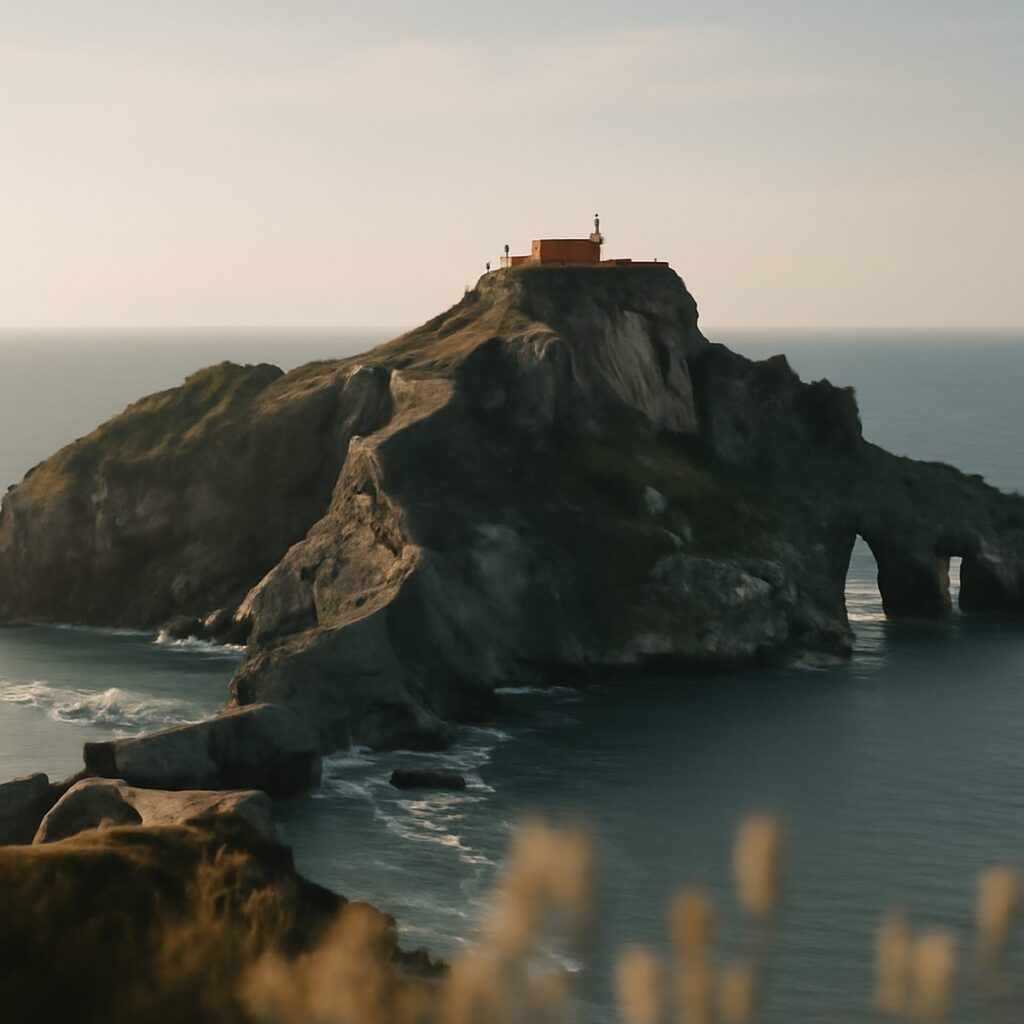
The Quiet Coast of the Gulf of Roses
On the northern Costa Brava, the Gulf of Roses offers a calmer coast of curved sand, whitewashed villages and Catalan cooking. A quiet corner worth finding.
 By Marcus Lim
2 September 2026 · 6 min read
By Marcus Lim
2 September 2026 · 6 min read
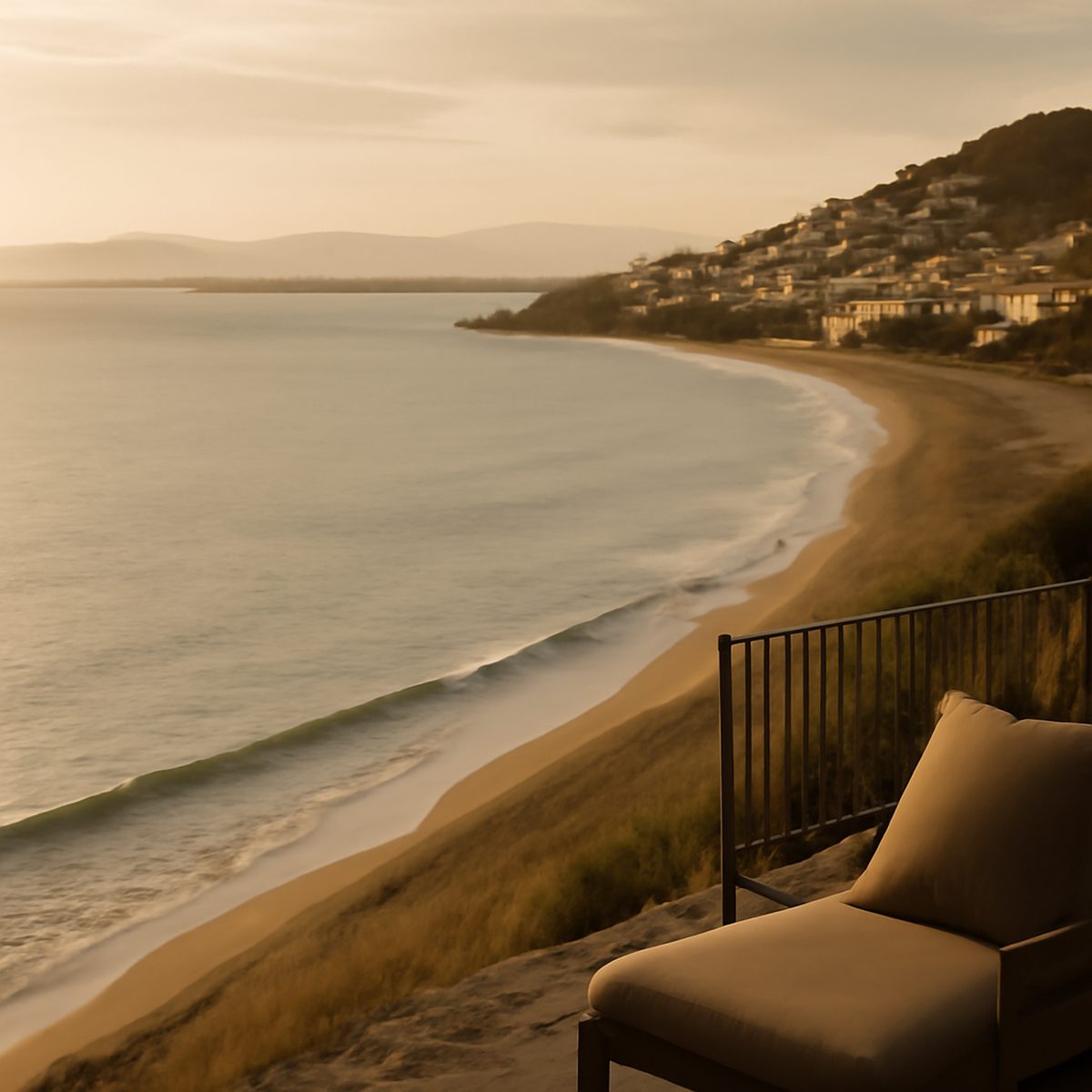
The Costa Brava has a reputation, and much of it is deserved. The name conjures package resorts and crowded beaches, the legacy of decades of mass tourism along Catalonia’s rugged coast. But the reputation obscures a more complicated truth, because the Costa Brava is a long and varied coast, and stretches of it remain remarkably unspoiled. Chief among these is the Gulf of Roses, the great curved bay in the north where the wild cliffs relent into a long sweep of sand, and where a quieter, older Catalonia has kept its footing against the tide of tourism.
The gulf takes its name from the town at its northern end, and it forms a broad, gentle arc of coast quite different in character from the jagged, cove-riddled shore to the south. Here the land opens out, the mountains draw back, and a wide fertile plain meets the sea along a curve of pale sand. It is a softer, more pastoral coast than the dramatic Costa Brava of the postcards, and it is precisely this gentleness, combined with a rich cultural depth, that makes it such a rewarding place for the traveller who wants more than a beach.
A gentler shore
The defining feature of the gulf is its great curved bay, a long unbroken sweep of sand that is a rarity on this cliff-bound coast. Backed in places by dunes and coastal wetlands rather than concrete, it offers the kind of open, breezy shore that invites long walks at the water’s edge rather than a scramble between rocky coves. At the quieter ends of the bay, away from the towns, you can walk for a long time with only the gulls and the wind for company.
Behind the beach lies one of the most important coastal wetlands in the region, a haven for birds and a green buffer against development. This marriage of sand, marsh and mountain backdrop gives the gulf a landscape complexity that the busier resorts entirely lack, and it rewards the traveller who explores on foot. The coastal footpath that threads the headlands at the gulf’s edges offers exactly the kind of walking we celebrate in our piece on the appeal of the coastal path, the slow reveal of the coast one bay at a time.
The cliffs at the edges
Where the great bay ends, the classic Costa Brava reasserts itself, and the contrast is part of the pleasure. At either horn of the gulf, the land rises again into rocky headlands and hidden coves, the pine-clad cliffs plunging into startlingly clear water. Here the coast recovers its wild, dramatic character, and the small whitewashed fishing villages tucked into the folds of the cliffs offer a glimpse of the Costa Brava as it was before the resorts.
These cliff-bound stretches are some of the finest coastal scenery in the Mediterranean, and travellers who respond to them will find kindred landscapes in our survey of the best coastal cliff landscapes to explore. Walking the paths that link the coves at the gulf’s edges, with the sea impossibly blue far below, is the antidote to any lingering prejudice about this much-maligned coast.
The Costa Brava’s bad name is a gift to the patient. It keeps the crowds where they always go, and leaves the quiet curve of the gulf to everyone else.
The Catalan table
What truly sets the gulf apart is its food. This is Catalonia, one of the great culinary regions of Europe, and the cooking here draws on both the sea and the fertile plain behind it, marrying the day’s catch with the vegetables, rice and cured meats of the interior. The result is a cuisine of remarkable range and depth, from simple grilled fish at a beachfront table to the elaborate rice dishes and seafood stews for which the region is justly famous.
To eat here is to understand a whole culture, and the gulf is an ideal place to do it, its towns and villages full of unpretentious tables serving the real thing. Anyone who travels to eat should read our guide to the best Catalan and Barcelona-style dining, because the gulf offers the regional cooking at its source, unpolished and deeply satisfying, far from the tourist menus of the busier resorts.
A coast with depth
The gulf is not only sand and seafood; it is steeped in culture. This corner of Catalonia has drawn artists for generations, its extraordinary light and dramatic coast inspiring some of the twentieth century’s most famous painters, and the region wears that artistic heritage lightly but unmistakably. The inland towns hold their own treasures, from Romanesque churches to lively markets, and the whole area repays the traveller who ventures beyond the beach into the villages and hills behind it.
This combination of coast and culture, of beach and hinterland, is what lifts the gulf above the ordinary seaside destination. It is a place to swim and walk, certainly, but also to eat, to explore, and to understand, and it rewards a stay of real length rather than a fleeting visit. The days settle into an easy rhythm of morning walks, long lunches, afternoon swims and unhurried evenings, and the pace is the whole point.
The quiet corner
Timing, as ever on this coast, makes all the difference. In the high summer weeks the gulf’s towns fill with holidaymakers and the long beach draws its crowds, and while the sheer size of the bay absorbs them better than the cramped coves to the south, the quiet the region is prized for retreats to its edges. Come instead in late spring or early autumn, when the sea is still warm enough to swim but the crowds have thinned, and the gulf shows its true character: the beach walkable for miles in near-solitude, the village tables unhurried, the cliff paths empty but for the gulls. This is the coast at its best, and it belongs to whoever is willing to travel a few weeks either side of the crowd.
The Gulf of Roses will never quite escape the shadow of the Costa Brava’s reputation, and perhaps that is for the best, since the reputation keeps it quieter than it deserves to be. For the traveller willing to look past the name and discover the gentler, deeper coast beneath it, the reward is a stretch of the Mediterranean that has kept its character, its cooking and its calm. It is exactly the kind of overlooked, layered destination our travel and stays coverage exists to find: a place the crowds have misjudged, waiting quietly for those curious enough to know better.
Marcus writes on travel and hospitality across Asia, and is happiest a long way from a lobby.