The Quiet Coast of the Cilento
South of the famous, crowded coast lies the Cilento: clear coves, Greek ruins and unhurried villages. Here is why Italy's quieter shore rewards the traveller.
 By Marcus Lim
2 September 2026 · 6 min read
By Marcus Lim
2 September 2026 · 6 min read
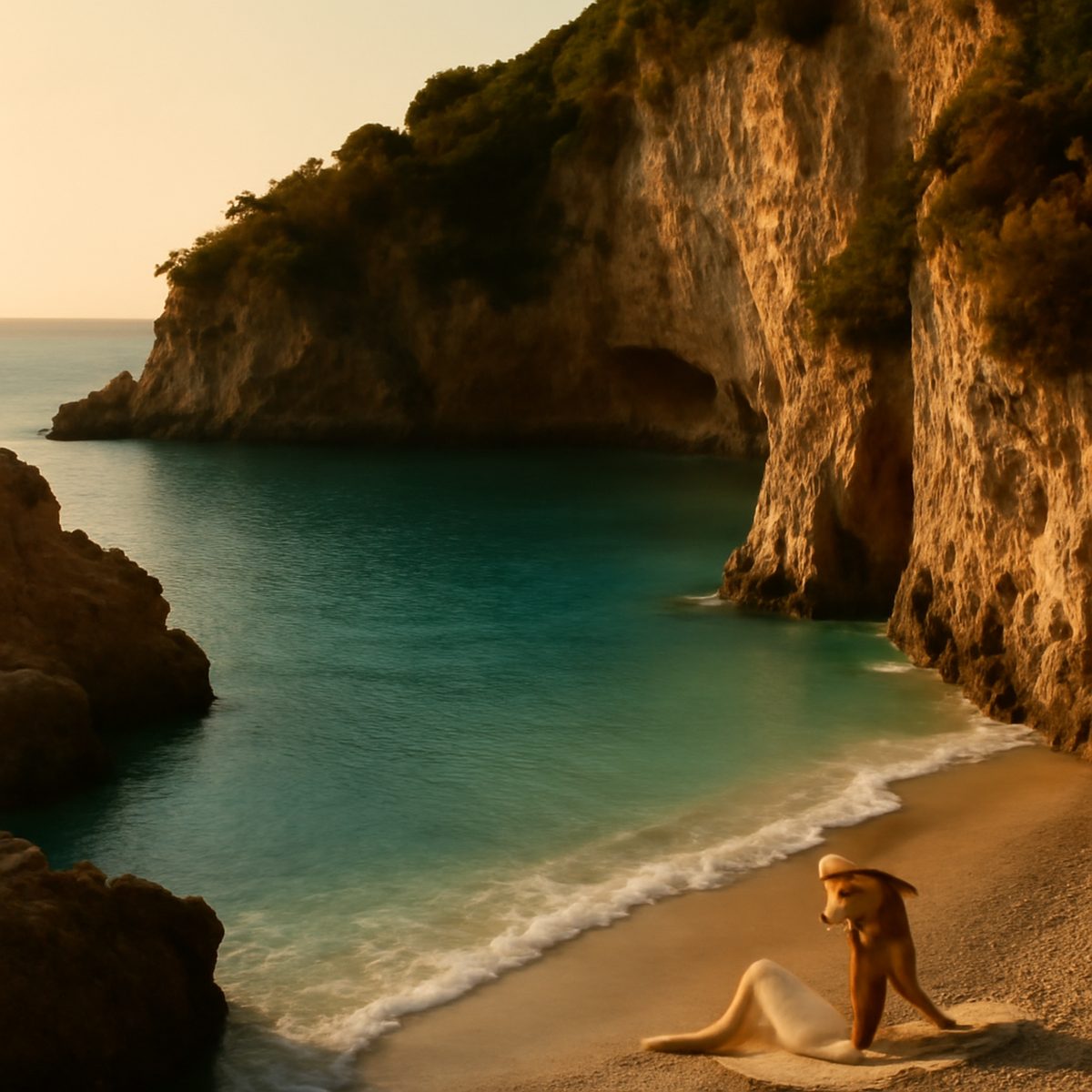
Just south of one of the most photographed coastlines on earth lies another that almost nobody photographs, and the contrast could hardly be sharper. Where the famous coast to the north is a ribbon of crowded, glamorous towns clinging to the cliffs, the Cilento, its quieter neighbour in the same southern Italian region, unrolls a long, green, largely undeveloped shore of clear coves, ancient ruins and villages that have never learned to perform for visitors. It is what the famous coast was, perhaps, two generations ago, and it survives quietly in the shadow of its glamorous neighbour, waiting for the traveller who is willing to go a little further south.
A coast in the shadow of fame
The Cilento owes its tranquillity, in part, to its more famous neighbour. The crowds that pour into the celebrated coast to the north rarely think to continue south, and so the Cilento remains what the region as a whole once was, rural, unhurried and rooted in a way of life that tourism has barely touched. It is a large protected area of mountains meeting sea, and that protection has kept its coast green and its development modest, a rare thing on the Italian shore.
The result is a coastline of real, unpolished beauty, clear water over pale sand and rock, cliffs draped in maquis, and small towns that live by fishing and farming as much as by visitors. It belongs to the same family of quiet Italian shores that reward the traveller willing to look past the obvious, close in spirit to the Amalfi hinterland just inland of the famous coast and the wild headlands of the Gargano peninsula across the peninsula’s other side.
Ancient stones and clear water
The Cilento offers a rare combination, some of the finest classical ruins in Italy set against some of its clearest and least crowded water. The great temples of the ancient world stand here, remarkably complete, and to visit them without the crush of the more famous sites is to experience them as they deserve, in silence and in space. Then there is the coast itself, cove after cove of transparent water, much of it reachable only by a walk or a boat, and empty in a way the famous coast has not been for decades.
The Cilento is what the famous coast used to be: quiet, green, and entirely uninterested in impressing you.
The pleasures here are simple and unhurried, and they reward the traveller who slows to meet them.
- Swim from the quiet coves in the early morning or late afternoon, when the light is soft and the water at its clearest.
- Visit the ancient temples in the cool of the day, when you may have the great ruins almost to yourself.
- Walk the coastal and hill paths between villages, through olive groves and wild herbs, meeting few other travellers.
- Eat where the locals eat, in the simple trattorie of the fishing villages, and let the day dissolve into a long lunch.
The pleasures of the table
The Cilento is one of the homelands of the Mediterranean diet, and its food is honest, seasonal and deeply rooted in the land and sea around it. This is a country of superb olive oil, of buffalo mozzarella made in the plains nearby, of figs and artichokes and wild greens, of simple grilled fish and hearty pasta dressed with nothing more than good oil and the vegetables of the season. It is cooking without pretension, the food of a place that has always eaten well from its own resources, and it tastes of the Cilento in a way that no grander cuisine could. Further north, the same devotion to honest regional produce shapes a very different table, as our notes on a slow weekend in Modena describe. Further north, inland Umbria rewards the same unhurried approach, as our itinerary for a slow weekend in Perugia sets out.
Eating this way, slowly and among locals, is one of the quiet joys of the region, and it connects the Cilento to the wider culture of the Italian coast and countryside, the same instinct for the seasonal and the rooted that draws travellers to villages like those of the Cinque Terre in the north, though the Cilento offers them without the crowds.
The interior of the Cilento is as rewarding as its coast, and travellers who never leave the beaches miss half of what makes the region special. Behind the shore the land rises quickly into mountains, and scattered across them are hill villages that have kept their old rhythms almost untouched, stone hamlets where the pace is set by the seasons and the church bell, where an old woman might still be making pasta by hand in a doorway and the visitor is a curiosity rather than an expectation. The roads that climb into these hills are slow and winding, and that is the point; the reward is a landscape of chestnut forests and terraced fields, of long views back down to the distant blue of the sea, of a way of life that has all but vanished from the more travelled parts of the country. To pair a few days on the coast with a few in the hills is to see the Cilento whole, and to understand that its quiet is not emptiness but a older, slower kind of fullness.
How to travel it well
The Cilento rewards slowness and a willingness to stay put. Base yourself in one of the coastal villages or a rural agriturismo for several nights rather than rushing through, and let the region’s unhurried rhythm set your pace. A car is useful for reaching the temples and the more remote coves, but the real pleasure is in staying still, learning one stretch of coast, one village, one good restaurant, and letting the place reveal itself slowly.
Come in late spring or early autumn, when the sea is warm, the light is long and the modest crowds of high summer have thinned to almost nothing. The Cilento in these months is close to perfect, quiet, green and generous, and it belongs to the same considered approach to travel, the preference for the authentic and the unhurried over the famous and the crowded, that runs through the whole of our travel and stays coverage. Go south past the famous coast, keep going until the crowds fall away, and let the Cilento remind you what the Italian shore was like before the world discovered it.
Marcus writes on travel and hospitality across Asia, and is happiest a long way from a lobby.