The Quiet Case for the Shirt Jacket
The shirt jacket sits exactly where a wardrobe needs it, between shirt and jacket. A quiet case for the overshirt, and how to make shirt jacket layering work.
 By Daniel Koh
1 September 2026 · 6 min read
By Daniel Koh
1 September 2026 · 6 min read
Every wardrobe has a gap, and for most men it sits precisely between the shirt and the jacket. There are days too cool for a shirt alone and too casual, or too warm, for a proper jacket — days when you want another layer that adds a little weight and structure without the formality of tailoring. The shirt jacket, or overshirt, fills that gap so neatly that once you own a good one you wonder how the wardrobe functioned without it. It is one of the quiet workhorses of a considered wardrobe, and it deserves a proper hearing.
What it is, and what it is not
The shirt jacket is exactly what its name suggests: cut like a shirt, worn like a light jacket. It has a shirt’s collar and buttoning front, but heavier cloth, a slightly roomier fit and, usually, patch pockets — enough structure to work as outerwear over a t-shirt or fine knit, light enough to wear indoors like a shirt. It is close cousin to the overshirt and shares much of its DNA with the workwear-derived chore jacket, though it typically sits a touch smarter than either, tipping towards the shirt end of the spectrum. It is not a substitute for a tailored jacket at the formal end, nor for a proper coat in real cold. Its territory is the broad, useful middle, and that territory covers most of how most of us actually dress.
The case for shirt jacket layering
The real argument for the shirt jacket is versatility, and specifically its gift for layering. Because it is cut generously enough to go over other things but slim enough not to look bulky, it slots into a layering system with unusual ease.
- Over a t-shirt. The simplest and most useful combination — an instant upgrade from a plain tee to something considered, with no effort.
- Over a fine knit. A merino crew or roll-neck under a shirt jacket is one of the most quietly elegant cool-weather looks going.
- Under a coat. In real cold it becomes a mid-layer, adding warmth and a collar under a topcoat.
- With tailored trousers. Paired with a good tailored trouser, it dresses up rather than down, proving how well casual and formal pieces can be made to meet.
The shirt jacket earns its place not by being the star of an outfit but by making everything around it work a little harder and look a little better.
Fabric makes the jacket
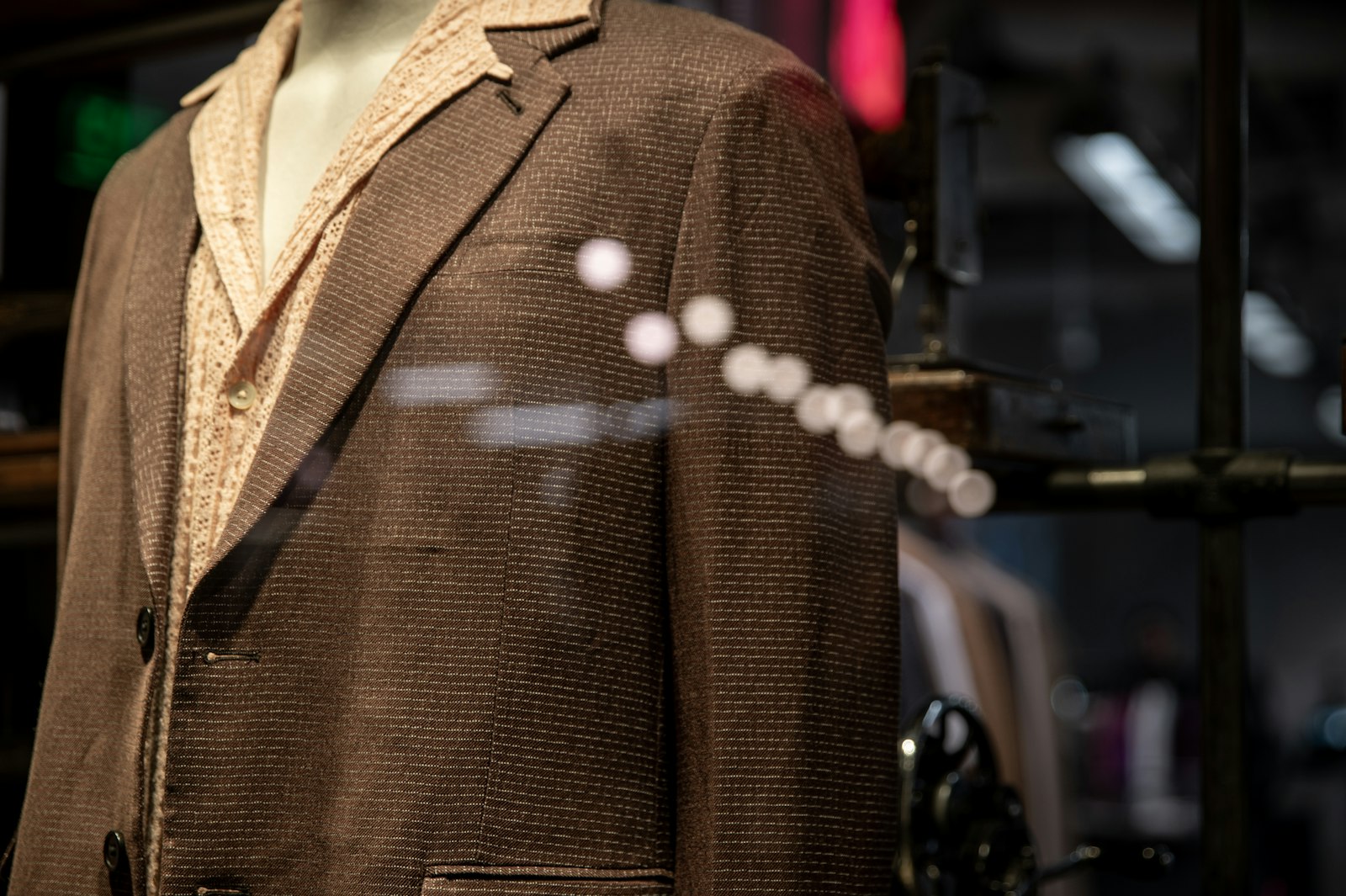
What separates a shirt jacket that reads as considered from one that reads as an afterthought is almost always the cloth. This is a piece where texture does the heavy lifting. Look for fabrics with real character and substance — a brushed wool or wool-blend for cooler months, a heavy cotton or moleskin, a corduroy, a tweedy overshirting, or a rugged linen for the tropics. Flat, thin, characterless cloth makes the garment look like an oversized shirt; textured, substantial cloth gives it the presence of light outerwear. In a climate like Singapore’s, breathable weaves and half-lined or unlined construction matter as much as looks; the point is a layer you can actually wear, not one that hangs in the cupboard.
Getting the fit right
The fit of a shirt jacket is a balancing act, and it is where most people go wrong in one of two directions. Too slim, and it cannot do its job — you cannot get a knit under it, and it strains and rides up. Too voluminous, and it loses all its shape and looks like borrowed clothing. The sweet spot is trim through the shoulders but with enough room in the body to layer comfortably, hitting somewhere around the top of the hip — long enough to have presence, short enough not to read as a coat. The sleeves should reach the wrist bone. Buttoned or open, it should hold a clean line.
Colour, and the case for restraint
Where a shirt jacket really rewards thought is in colour, and the temptation to be adventurous is one to resist. Because it works hardest as a layering piece — the thing that goes over and under everything else — it earns its keep most in colours that quietly agree with the rest of your wardrobe. Earthy, muted tones are the ones to reach for: olive, tan, stone, brown, a soft ecru, a faded navy, a charcoal or oatmeal in the cooler-weather cloths. These are colours that slot into an outfit without demanding to be the centre of it, which is exactly what you want from a piece meant to be worn again and again.
A brighter or busier shirt jacket, by contrast, becomes a statement, and a statement piece is by its nature one you can wear less often before it starts to feel repetitive. There is nothing wrong with owning one, but it should not be your first. Build from the muted end, where a single good jacket will partner with almost everything you own, and you get far more wear from far less. It is the same logic that governs the rest of a considered wardrobe — that the quietest pieces, in the most agreeable colours, are the ones that end up doing the most work, precisely because they never insist on being noticed. If you do reach for a pattern, keep it subtle — a soft check, a heathered melange, a faint herringbone — so that the interest lives in the texture and the weave rather than in a bold colour that ties the jacket to one narrow set of outfits and dates it faster than a plain one ever would.
A piece that quietly does everything
The shirt jacket will never be the most glamorous thing you own, and that is precisely its virtue. It is the layer you reach for without thinking, the one that makes the rest of the wardrobe more useful, the piece that turns up in nine outfits out of ten because it simply works. Buy one in a good, textured cloth, get the fit right, and it becomes a cornerstone — proof that the most valuable garments are often the quietest. It is exactly the sort of considered, versatile buying our style and watches pages keep returning to: fewer pieces, better chosen, doing more.
Daniel has spent fifteen years arguing that the best watch is the one you never take off.