The Quiet Art of the Perfect Omelette
The French omelette is pale, rolled and barely set, a two-minute dish that reveals everything about a cook. Master it and you master the pan itself.
 By Renée Tan
1 September 2026 · 6 min read
By Renée Tan
1 September 2026 · 6 min read
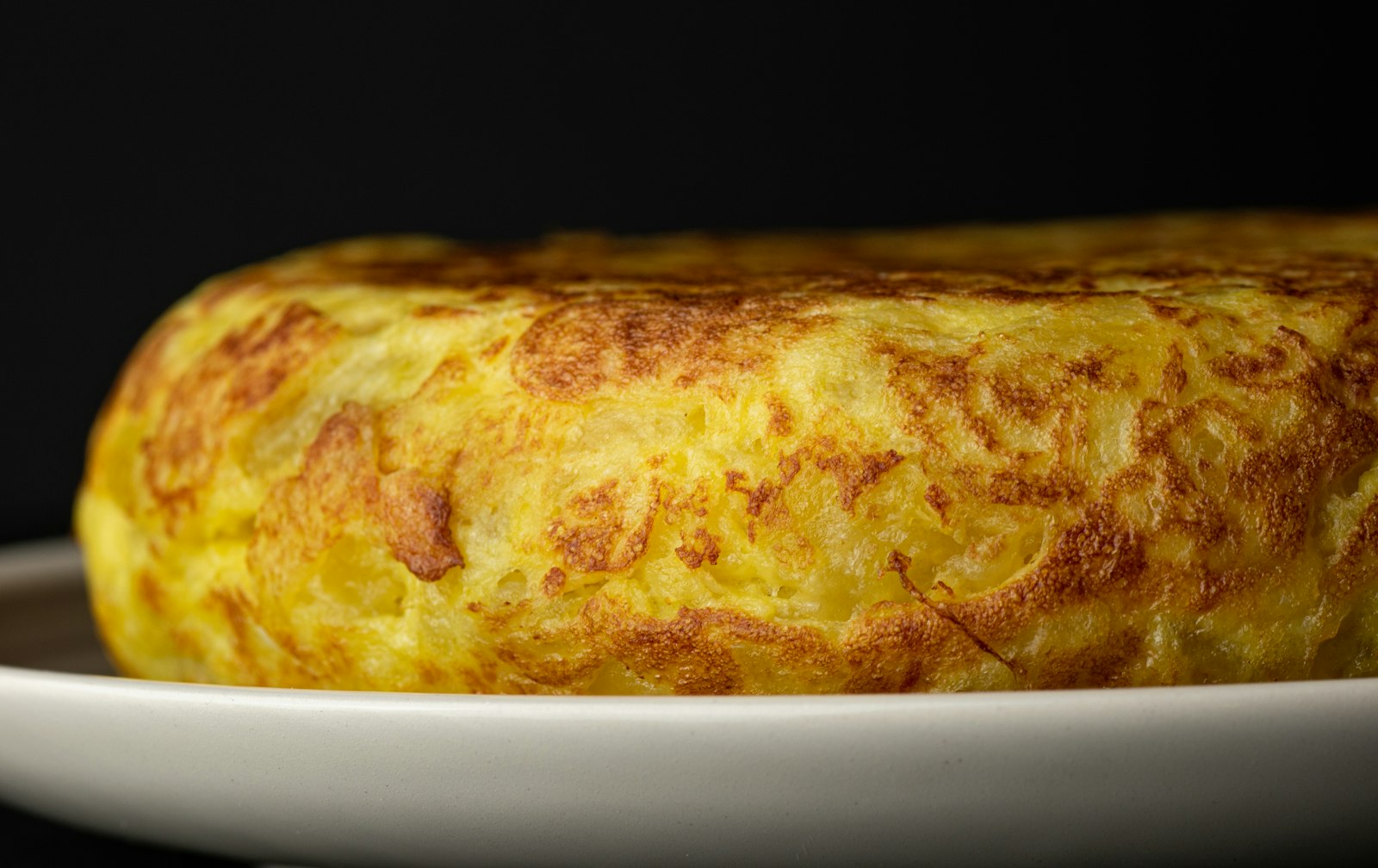
There is an old story that a great chef would test a young cook not with an elaborate showpiece but with an omelette. Nothing hides in an omelette. There are no strong flavours to lean on, no long cooking to rescue a mistake, no garnish that can disguise a rushed or clumsy hand. Three eggs, a knob of butter, a pinch of salt, and perhaps a minute in the pan. What emerges tells you everything about whether a person can cook, which is why the perfect French omelette remains one of the quiet benchmarks of the kitchen.
The dish exists in two great traditions, and it helps to know which one you are aiming for. The rustic, folded omelette, browned and generously filled, is a fine thing in its own right. But the classic French omelette is something else: pale gold with no colour at all, rolled into a plump cylinder, its surface smooth and its interior barely set, almost creamy. That is the version worth learning, because learning it teaches you heat, timing and touch all at once.
The Ingredients Are Nearly Everything
With so little on the plate, the quality of each element is exposed. Use the best eggs you can find, ideally a few days old rather than absolutely fresh, since slightly aged whites set a touch more tenderly. Use good butter, unsalted so you can season precisely; the same care we brought to keeping butter well in a cold pantry pays off here, because butter is half the flavour. Beat the eggs only until the yolks and whites are just combined, not frothy, and season them lightly with fine salt just before they hit the pan.
The pan matters as much as anything. A small non-stick or well-seasoned pan, no more than twenty centimetres across for a three-egg omelette, gives you the control you need. A pan that is too large spreads the eggs too thin and sets them before you can work them.
The Method, Step by Small Step
Everything happens quickly, so read it through before you begin.
- Heat the pan over a medium flame and add a generous knob of butter. Let it foam but not colour; the foam subsiding is your signal.
- Pour in the beaten eggs. Immediately begin stirring with the flat of a fork or a spatula, small fast circles, while shaking the pan.
- As soft curds form, stop stirring and let the eggs settle for a few seconds into a barely-set sheet. The surface should still look glossy and a little wet.
- Tilt the pan away from you and, with the fork, fold the far edge over towards the middle. Then roll the omelette onto itself and out onto a warm plate, seam-side down.
The whole business takes well under two minutes. The most common mistake is cooking it too long; the residual heat continues to set the eggs on the plate, so you must pull it while it still looks slightly underdone. A little cold butter rubbed over the finished surface gives it the characteristic sheen.
An omelette is not a recipe so much as a piece of timing. You are not cooking eggs; you are catching them at the precise moment they stop being liquid and before they become solid.
To Fill or Not to Fill
The purist’s omelette is unfilled, or filled only with a whisper of soft herbs, chives and chervil, beaten into the eggs. But a spoonful of something is no crime if it is restrained: a little grated gruyère laid along the centre before rolling, a few sautéed mushrooms, a scrap of smoked fish. The rule is to keep it modest, so the egg remains the star. If cheese tempts you, the same reverence for a good wedge that runs through our piece on the cheese trolley applies: a little of something excellent beats a lot of something ordinary.
Why It Is Worth the Practice
An omelette is the ideal thing to practise because eggs are cheap and the feedback is immediate. Make one every morning for a week and you will feel the technique settle into your hands, the way you learn to read the pan by sound and sight rather than by the clock. That fluency transfers. The same command of heat and timing serves you in every fast egg dish and in the quiet confidence that comes from cooking something simple beautifully. The same patience with simple ingredients serves on a far longer timescale too, as understanding the art of the cassoulet shows with a dish measured in days rather than minutes.
It is also, in its way, a small luxury. A perfect omelette with a green salad and a glass of something crisp is a complete and elegant meal that costs almost nothing, the kind of unshowy pleasure we celebrate throughout our dining and drinks pages. Keep a well-stocked, thoughtful kitchen, of the sort we argued for in our case for the larder, and you are never more than a few minutes from it.
Master the omelette and you have mastered something larger than a single dish. You have learned to slow down, to pay attention, and to trust that restraint, not addition, is what separates good cooking from the merely competent. That lesson, learned over a pan of barely-set eggs, stays with you for good.
The Common Mistakes, and Their Cures
Almost every failed omelette comes down to one of a handful of errors, and knowing them shortens the road to mastery. Too hot a pan browns and toughens the eggs before they can be worked; the cure is a medium flame and a little patience. Too little butter, or butter that has been allowed to brown, and the omelette catches and tears; use enough, and pull it from the heat while it still foams pale gold. Over-beating incorporates air that makes the eggs puff and dry; beat only until just combined. And, most common of all, cooking it a few seconds too long, so that the interior sets firm and the whole thing turns rubbery.
The remedy for that last and most tempting mistake is faith: faith that the residual heat will finish the eggs on the plate, and the courage to turn the omelette out while it still looks a touch too soft. A perfect omelette is always, to the anxious eye, slightly underdone in the pan. Trust that, and you will produce something creamy and tender rather than dry and folded. It is a small act of nerve, repeated until it becomes instinct, and it is the true secret the great chefs were testing for all along.
Renée has covered Singapore's restaurants for over a decade, with a soft spot for the kitchens most people walk past.