The Malachite and Green-Stone Dial
Every malachite dial is unrepeatable by nature. Here is why watchmakers keep reaching for this particular green stone, and how to judge one properly.
 By Daniel Koh
31 August 2026 · 6 min read
By Daniel Koh
31 August 2026 · 6 min read
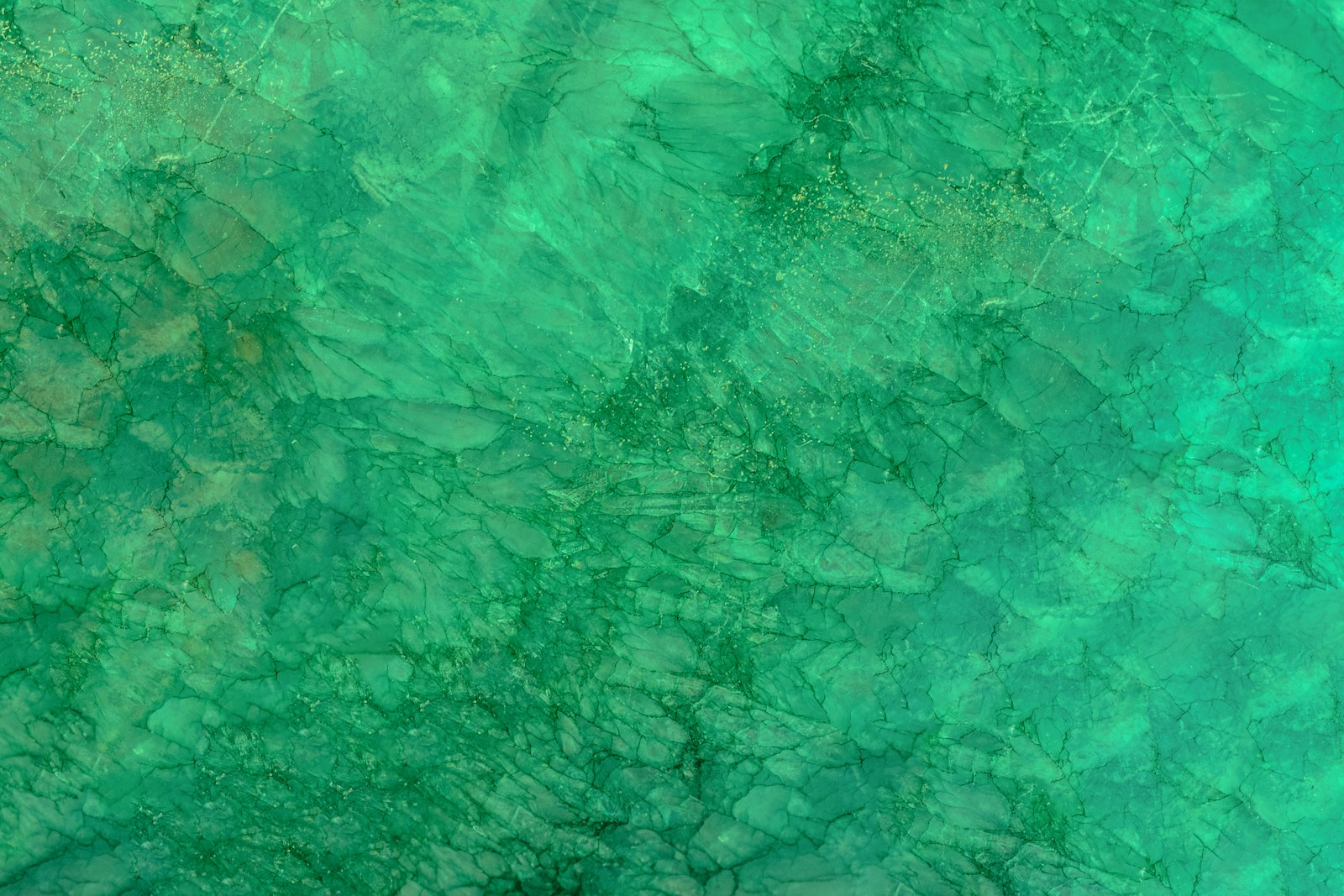
Hold two malachite dials next to each other and you will not find a matching pair. The stone’s signature banding — concentric rings of light and dark green, formed over millennia as copper deposits crystallised in layers — makes every slice genuinely one of a kind, which is precisely why watchmakers keep returning to it despite the material’s notorious difficulty to work with. A malachite dial is not a colour choice in the way a lacquered or galvanic dial is a colour choice. It is a small geological event, sliced thin enough to sit under a crystal.
Where the stone comes from
Malachite forms in the oxidised zones of copper ore deposits, typically in arid or semi-arid regions where groundwater carrying dissolved copper reacts with carbonate rock over long stretches of geological time. The banding that gives the stone its character records this slow accretion almost like tree rings, each layer a slightly different concentration of mineral. Watchmakers source dial-grade malachite for its density and lack of internal fracturing — a stone with too many natural fissures will not survive the cutting process required to produce a dial thin enough to sit within a case.
Why the stone is difficult to work
Cutting a malachite dial is a considerably more fraught process than producing a metal or lacquered equivalent. The stone must be sliced to a thickness of well under a millimetre, then polished without generating the heat that can cause it to crack along its natural banding. A single flaw discovered partway through polishing can mean discarding a slice that has already consumed hours of careful work. This fragility is precisely why malachite dials tend to appear on watches positioned toward the higher end of a maker’s range — the wastage rate alone makes the material an expensive one to commit to at volume. Readers curious about how other unconventional dial materials are worked will find a useful parallel in our piece on the onyx and stone dial in watchmaking, which covers the broader category of hard-stone dials in more technical detail.
Reading the banding on your own watch
Because no two malachite slices are identical, learning to read the banding on your own dial is part of the pleasure of owning one. Concentric, tightly packed rings generally indicate a slower, more stable formation process and tend to be prized by collectors; broader, more irregular banding produces a bolder, more graphic effect that some prefer precisely because it reads less like a “natural stone” cliché and more like abstract art. Neither is objectively superior — the choice comes down to whether you want your dial to whisper or to state its case a little more loudly.
What to check before buying
- Hold the dial under raking light to check for hairline fractures, which can develop further with wear over time.
- Ask whether the dial is solid malachite or a thin veneer over a metal substrate — both are legitimate, but the price should reflect which you are buying.
- Compare banding directness against the rest of the watch’s finishing; a striking dial deserves a case and strap considered enough not to compete with it.
Caring for a stone dial day to day
A malachite dial demands a slightly different relationship from its owner than a conventional metal or lacquered dial does. The stone is considerably softer than sapphire crystal, meaning any protection against knocks comes entirely from the crystal above it rather than the dial material itself, and a hard enough impact directly to the case can, in rare cases, propagate a crack along one of the stone’s natural banding lines. This is not a reason to avoid the material — plenty of malachite dials survive decades of normal wear without incident — but it does mean treating the watch with a touch more consideration than an everyday steel sports piece, avoiding activities where a direct impact to the crystal is genuinely likely.
Servicing also warrants a conversation with whoever handles the watch. Malachite dials should generally be removed and reinstalled by a watchmaker experienced with hard-stone dials specifically, since the stone’s fragility during movement removal is considerably higher than a standard metal dial’s. Asking this question before a first service, rather than after a dial has already been damaged during routine maintenance, is a small but genuinely worthwhile precaution for anyone who has invested in a piece built around this particular material.
Insurance and valuation documentation are also worth thinking through more carefully than usual for a stone-dial piece, since the dial’s uniqueness genuinely affects replacement value in a way a standard metal dial does not. Should a malachite dial ever need replacing entirely, no exact match will exist — the closest a manufacturer can offer is another slice from the same general source, never truly identical banding. Photographing the dial closely at the point of purchase, and keeping that record alongside any formal valuation paperwork, is a sensible habit for any owner who wants a clear record of exactly what pattern they originally bought, should the question of authenticity or exact replacement ever arise down the line.
“You’re not buying a green dial,” one dial-maker who has worked with the stone for over a decade told us. “You’re buying whatever the earth happened to lay down at that particular spot, at that particular moment. The watch is almost incidental to the geology.”
A material that resists uniformity
In an industry increasingly built around consistency — identical dials rolling off a production line, indistinguishable from one reference number to the next — malachite offers something close to the opposite proposition. Its appeal lies precisely in its refusal to repeat itself, a quality that sits comfortably alongside other exotic and natural dial materials explored in our guides to the wood dial and natural materials and the aventurine dial and cosmic materials. For a broader survey of how texture and material shape a dial’s character more generally, our companion piece on understanding watch dials and textures is worth reading alongside this one, and the full range of our watch coverage sits within Style & Watches.
Daniel has spent fifteen years arguing that the best watch is the one you never take off.