The Islands of the Java Sea
The Java Sea's islands remain quietly untouristed, offering working harbours, modest reefs and a version of coastal Indonesia rarely seen by outsiders.
 By Marcus Lim
31 August 2026 · 6 min read
By Marcus Lim
31 August 2026 · 6 min read

The Java Sea sits at the quiet centre of the Indonesian archipelago, bounded by Java to the south, Kalimantan to the north, and Sumatra to the west — a shallow, historically vital shipping lane that has carried spice traders, colonial fleets and fishing communities for centuries, yet remains one of the least explored waters in the region for leisure travel. Its islands are smaller and less celebrated than Bali or the Gilis, scattered thinly across open water, and precisely because of that obscurity, they hold a version of coastal Indonesia that has changed remarkably little in a generation.
A sea shaped by trade, not tourism
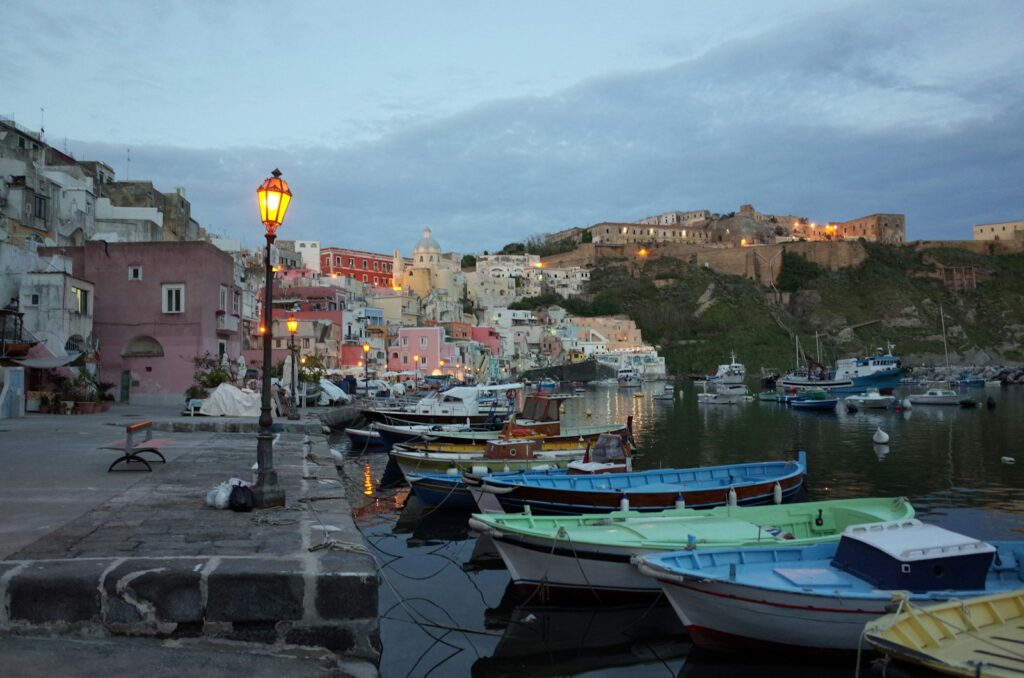
Unlike the archipelago’s better-known island chains, the Java Sea’s history is bound up almost entirely in commerce rather than leisure. Small trading ports on islands like the Karimunjawa group and the Thousand Islands off Jakarta grew around fishing and, in earlier centuries, the spice and ceramics trade passing between Java and the outer islands. That commercial history has left a texture that resort development elsewhere has largely erased — working harbours rather than manicured marinas, wooden fishing boats built by hand in yards visible from the main jetty, and a rhythm of daily life organised around tide and catch rather than checkout times.
The Karimunjawa archipelago, a small cluster of islands off Java’s north coast, has become the best-known entry point for travellers curious about this quieter sea, offering clear water, modest coral reefs recovering under active local protection, and a scale — most islands can be circled on foot or by bicycle in under a day — that suits slow, unhurried exploration far better than a packed itinerary.
Beyond the well-trodden cluster
Further out, smaller and considerably less visited islands scattered across the open Java Sea offer an even quieter version of the same appeal, though logistics grow noticeably harder the further you travel from Java’s north coast. Local ferries and chartered fishing boats remain the most reliable way to reach these outer islands, and travel here rewards flexibility over fixed planning — schedules shift with weather and tide in a way that a traveller accustomed to more developed island infrastructure will need to accept rather than fight. Those who relish this kind of unhurried, weather-led travel may also want to explore further east, as our guide to the islands of the Savu Sea suggests.
The Thousand Islands, despite the name a far smaller and more accessible chain just off Jakarta’s coast, offer a genuinely useful middle ground: close enough for a long weekend from the capital, quiet enough to feel like a real escape, with a scattering of small, considered guesthouses built by owners who grew up on the islands rather than imported hospitality groups.
Planning a visit
- Base yourself on one island rather than island-hopping constantly — Java Sea crossings depend heavily on weather, and rigid multi-island itineraries are the most common source of frustration.
- Bring cash. Smaller islands rarely have reliable card facilities, and ATMs are scarce beyond the main towns.
- Travel in the dry season, roughly May through September, when sea conditions are calmest and ferry cancellations least frequent.
- Support local reef-protection initiatives where offered; several communities in the Karimunjawa group run genuinely effective, locally-led conservation programmes worth contributing to directly.
Travellers assembling a wider Indonesian itinerary should look at our guides to the islands of the Bali Sea and the islands of Indonesia, beyond Bali, both of which cover neighbouring waters with a similarly unhurried, less-visited character. For those planning a longer overland-and-island route through the archipelago, how to plan a grand tour of Indonesia offers a fuller framework for stitching these regions together into a single considered trip.
“Nobody comes here by accident — you have to actually want the Java Sea, not just Indonesia in general,” a boat captain running the Karimunjawa crossing told us, watching for a break in the swell before setting out.
What to expect from a stay
Accommodation across the Java Sea islands runs simple by design — modest beachfront guesthouses, a handful of slightly more considered small hotels on the better-established islands, and very little in the way of large-scale resort infrastructure. This suits the character of the place: days built around snorkelling over recovering reef, watching the fishing fleet come in at dusk, and eating whatever the day’s catch happens to be, usually grilled simply over charcoal at a stall a short walk from wherever you’re staying. Those seeking something more remote still may look further east, to the islands of the Timor Sea.
Connectivity is patchy beyond the main towns, which for many travellers is precisely the point rather than an inconvenience to be managed around. Anyone arriving expecting the polish of Bali’s better resorts will be disappointed; anyone arriving hoping for a genuinely quieter, more working version of island Indonesia will find it here in abundance.
Getting there and around
Karimunjawa is reachable by ferry or a short flight from Semarang on Java’s north coast, making it a realistic add-on to a broader Java itinerary rather than a standalone expedition. The more remote islands further into the sea require considerably more planning, usually arranged through a local operator with existing relationships with fishing communities willing to run charter crossings. Whichever route you take, build extra time into the schedule on both ends — sea conditions here can shift a departure by a day with little notice, and travellers who plan tightly around a fixed return flight are the ones most likely to have a frustrating trip.
A sea worth slowing down for
Part of what makes the Java Sea rewarding is precisely what makes it inconvenient: the absence of the polished infrastructure that has smoothed over so much of Indonesia’s more visited coastline. Ferries run to their own schedule rather than a printed timetable, the best meals come from stalls with no signage at all, and the islands that reward the longest stay are often the ones with the least written about them online. For travellers who have already done Bali, the Gilis or Lombok and are looking for a version of coastal Indonesia that still feels unfinished in the best sense, the Java Sea offers exactly that — a working sea, still mostly indifferent to the idea of being a destination at all. For further planning across the archipelago’s quieter corners, our full Travel & Stays section is worth consulting before you book.
Marcus writes on travel and hospitality across Asia, and is happiest a long way from a lobby.