The Enduring Style of the Oxford Shirt
Few garments have proven as durable, in style and in fabric, as the oxford shirt. Here is why it endures, and how to choose one that will too.
 By Daniel Koh
30 August 2026 · 6 min read
By Daniel Koh
30 August 2026 · 6 min read
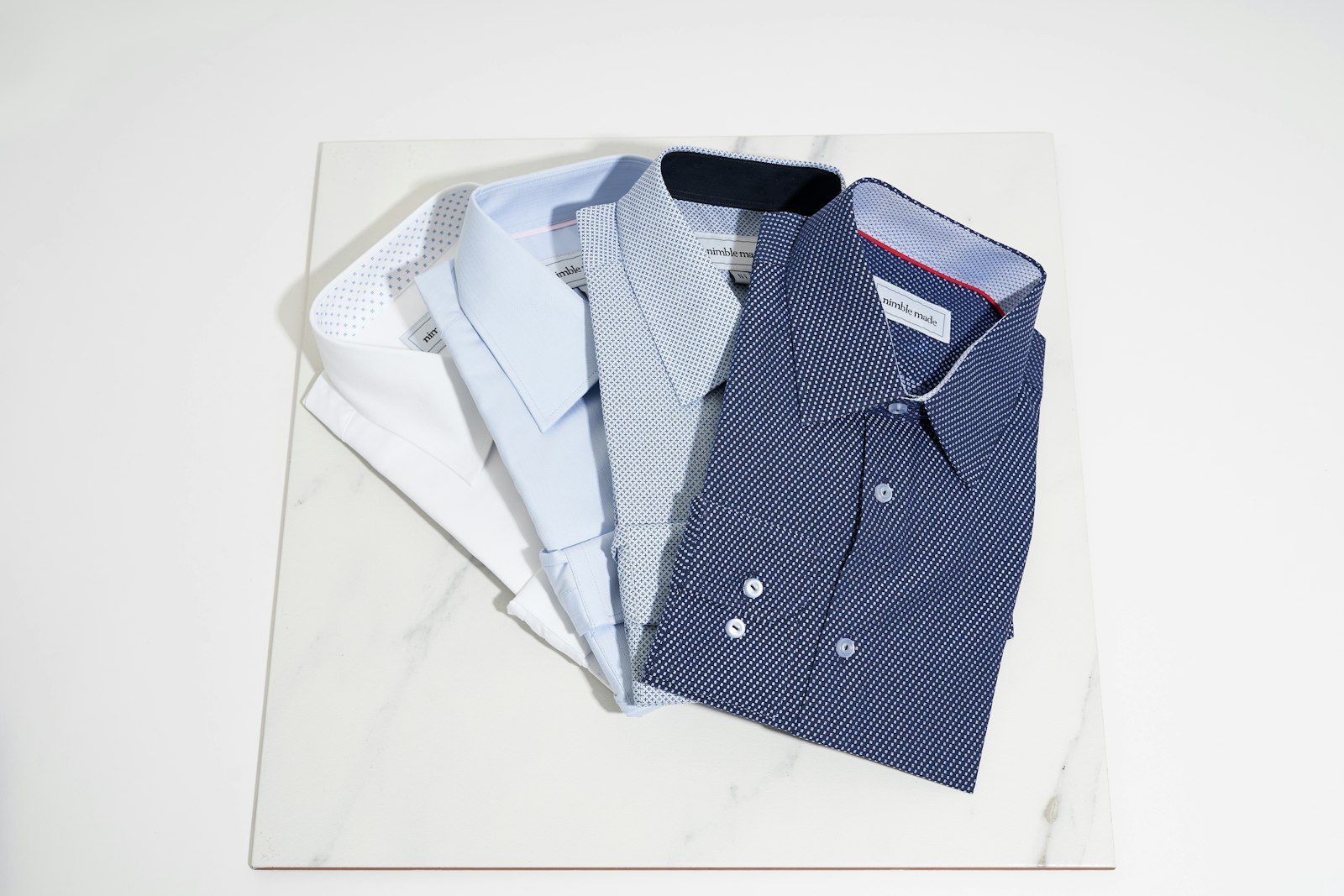
The oxford shirt has a genuinely unusual track record. Invented over a century ago by a Scottish mill experimenting with basket-weave fabrics, it has survived nearly every subsequent shift in menswear largely unchanged, worn by university students in the 1950s and worn today by the same broad demographic for many of the same reasons. Few garments earn that kind of consistency, and it is worth understanding why.
The Weave That Makes the Difference
Oxford cloth is woven in a basket pattern, with two threads crossing over one, which produces a fabric that is textured, slightly heavier, and considerably more durable than a standard poplin shirt. This weave also gives oxford cloth its distinctive slight sheen and softness, and it holds up to repeated washing far better than more delicate weaves, which is part of why oxford shirts genuinely do last for years of regular wear rather than fading within a single season.
The Button-Down Collar
The button-down collar is inseparable from the oxford shirt’s identity, originally developed to keep the collar points anchored during polo matches and adopted more broadly for the same practical reason: it stays in place without a tie, giving the collar a naturally relaxed roll that looks intentional rather than sloppy. This makes the oxford one of the few shirts genuinely versatile enough to wear open-collared with chinos or buttoned up under a navy blazer for a smarter register.
Colours Worth Owning
- White: the most versatile, working equally well dressed up or down.
- Light blue: a close second in usefulness, slightly more forgiving day to day.
- A subtle stripe or check: worth adding once the solid basics are established.
Building a small rotation across these three categories covers the vast majority of situations an oxford shirt is likely to face, from a casual weekend to a considered business-casual office day.
The Ironing Question
One of the oxford’s most underrated practical advantages is how well it tolerates being worn without a fresh press. The textured weave hides minor creasing far better than a smooth poplin, and a shirt straight out of a suitcase or off a hanger, given a few hours to relax, often looks perfectly presentable without any ironing at all. This makes it a particularly sensible choice for travel, where access to an iron cannot always be relied upon, and it is one of several reasons the oxford has remained a staple of considered packing lists for decades.
Fit Considerations Specific to Oxford Cloth
Because oxford cloth has more body and structure than a lightweight poplin, it can carry a slightly more generous fit without looking sloppy, though the current preference leans towards a trimmer silhouette than the boxier oxford shirts of a generation ago. The collar itself is worth particular attention — a button-down collar that sits too high or too tight looks noticeably dated, while one cut with a slightly longer point and a soft roll looks contemporary without abandoning the shirt’s traditional character.
Sleeve length deserves equally careful attention, since oxford cloth’s structure makes an ill-fitting sleeve more visually obvious than it would be in a softer fabric. The cuff should sit at the base of the thumb with the arm relaxed, allowing roughly half an inch of shirt cuff to show beneath a jacket sleeve. This is one of the more common alteration requests at any decent tailor, and it is worth having a shirt properly adjusted rather than accepting an imperfect off-the-rack length, particularly for a garment likely to be worn as often as this one.
“The oxford is the shirt I recommend to anyone building a wardrobe from nothing,” a Singapore-based tailor told us. “It works with almost everything, and it never really goes out of style because it was never really in one.”
Caring for the Fabric Properly
Oxford cloth softens considerably with repeated washing, which many wearers consider part of its appeal rather than a flaw, but it is worth washing on a gentler cycle than heavier fabrics to preserve the weave’s structure over years of use. Our broader guide to the quiet art of layering covers how an oxford shirt functions as a foundational piece within a considered wardrobe, working equally well as an outer layer or tucked beneath a jumper depending on the season.
Oxford Cloth Button-Down Versus Standard Oxford
It is worth distinguishing between the traditional oxford cloth button-down, often shortened to OCBD among enthusiasts, and shirts simply labelled “oxford” that use the fabric name loosely without the traditional construction — unlined collar, locker loop, box pleat at the back. These traditional details are not merely decorative; they affect how the shirt drapes and moves, and a shirt missing them, however similar the fabric, tends to feel noticeably less considered in daily wear. It is worth seeking out a maker who understands and preserves these specifics rather than one using “oxford” purely as a fabric descriptor.
An Investment That Pays Off Slowly
A genuinely well-made oxford shirt, in good cotton with proper construction, is not a cheap purchase, but it is one of the more reliable long-term investments in a considered wardrobe. Our piece on building a ten-piece capsule wardrobe makes the case for exactly this kind of foundational purchase, prioritising quality over quantity across the pieces worn most often.
What makes the oxford shirt genuinely enduring, rather than simply old-fashioned, is that it has never needed to reinvent itself to stay relevant. It solved a specific set of problems — durability, versatility, a naturally relaxed collar — so well the first time that a century of subsequent fashion has found little worth changing. For more on garments with this kind of staying power, see our full Style & Watches section.
Weight and Climate Considerations
Oxford cloth comes in a range of weights, from a lightweight “pinpoint oxford” suitable for warmer climates through to heavier, more textured versions built for cooler weather. Singapore’s humidity makes the lighter end of this spectrum the more sensible everyday choice, though it is worth keeping one heavier oxford in rotation for the occasional air-conditioned office or overseas trip, where the sturdier fabric and slightly more substantial drape genuinely earn their keep.
Sourcing a Genuinely Good One
Not every shirt labelled “oxford” delivers the actual weave and construction the name implies, and it is worth checking the fabric composition and weight before buying, particularly online where the texture cannot be felt directly. A reputable maker will typically state the fabric weight in grams per square metre, and anything meaningfully lighter than the traditional range is likely cutting corners on the weave itself rather than simply offering a warm-weather variant. Handling the fabric in person, where possible, remains the most reliable test — a genuine oxford cloth has a distinctive texture that is difficult to fake convincingly in photographs or product descriptions.
Daniel has spent fifteen years arguing that the best watch is the one you never take off.