The Art of the Navy Blazer
The navy blazer has survived every menswear cycle for a reason. Here is how to choose one, fit it properly, and wear it without looking costumed.
 By Daniel Koh
29 August 2026 · 6 min read
By Daniel Koh
29 August 2026 · 6 min read
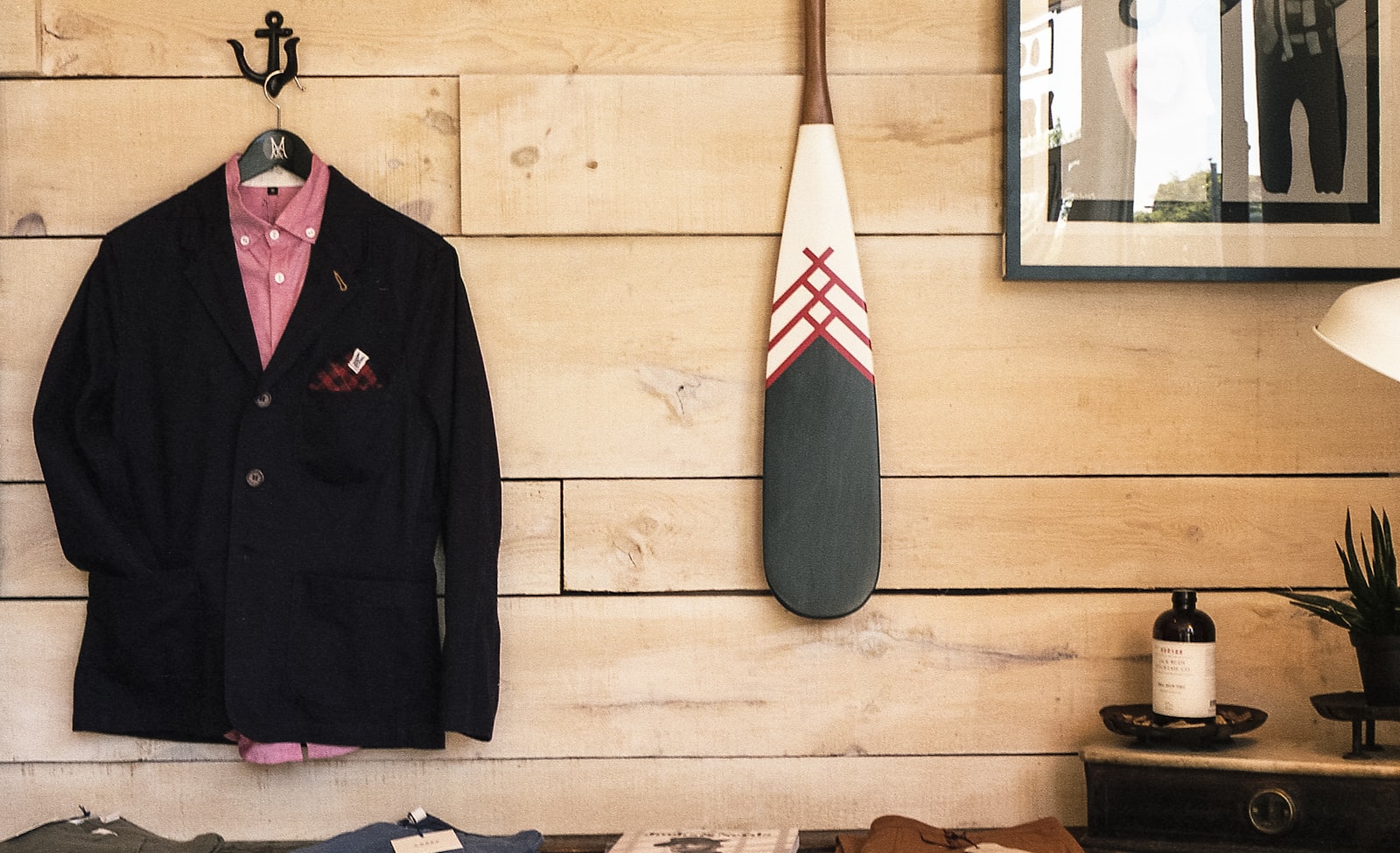
Every menswear trend eventually passes, but the navy blazer has quietly outlasted nearly all of them, surviving decades of shifting silhouettes by never really trying to be fashionable in the first place. It occupies a specific and useful place in a wardrobe: smarter than a sports jacket, more relaxed than a suit, versatile enough to move between a client lunch and a Friday evening without feeling wrong in either setting.
Choosing the Right Fabric
A navy blazer’s quality lives largely in its cloth. A hopsack or fresco weave breathes considerably better in Singapore’s climate than a tightly woven worsted, and the slightly textured finish reads as more relaxed, which suits the blazer’s role as a step down from formal tailoring. Avoid anything with a heavy, glossy finish, which tends to look cheap regardless of the actual price paid, and steer clear of true black buttons in favour of horn or a muted metal, which age far more gracefully.
The Fit That Actually Works
The most common mistake with a navy blazer is treating it like a suit jacket rather than its own garment. A blazer should sit slightly more relaxed through the body than a formal jacket, with enough room to layer a jumper beneath it in cooler climates, though this matters less in Singapore. The shoulder should still be clean and well-structured — this is not the place to compromise — but the overall silhouette can carry a touch more ease than the rest of a tailored wardrobe. Pairing it with the best everyday chinos rather than formal trousers is usually the right instinct for anything short of a genuinely smart occasion.
What to Wear It With
- Grey flannel or chino trousers for a smart-casual register that works for most daytime occasions.
- An open-collar oxford shirt for a slightly dressed-down evening look.
- Brown suede loafers rather than black leather, which tends to look overly formal against navy.
The details are where a navy blazer either earns its keep or reveals itself as an afterthought. Brown shoes, in particular, do far more work than most men expect — our guide to how to wear brown shoes with confidence covers exactly this pairing in more depth, and it is worth reading before assuming black is the safer default.
Avoiding the Yacht Club Cliché
A navy blazer with gold buttons and a crest patch has a very specific set of associations, most of them dated, and most modern tailors will steer a client away from this combination unless the intent is genuinely nautical. A plain navy blazer with simple horn buttons reads as considerably more contemporary and versatile, capable of moving between settings without the costume-like quality that gold hardware tends to introduce.
Single-Breasted Versus Double-Breasted
The vast majority of contemporary navy blazers are single-breasted, and for good reason: the silhouette is more forgiving across body types, easier to wear open in warmer climates, and generally more versatile across formal and casual settings alike. A double-breasted version carries real presence and can look genuinely striking on the right frame, but it demands a more considered approach to styling and tends to read as more formal by default, regardless of what it is paired with. For a first navy blazer, particularly in a climate like Singapore’s, the single-breasted version remains the safer and more useful choice.
Seasonal Adjustments
While a heavier flannel blazer suits cooler climates well, Singapore’s near-constant humidity calls for a genuinely breathable construction — an unlined or half-lined jacket in a lighter hopsack weave will see considerably more actual wear than a heavier, fully lined version imported from a cooler-climate collection. It is worth asking specifically about lining and interlining when buying, since these details affect comfort far more in daily wear than they do in a fitting room.
“The blazer should look like it belongs to the man wearing it, not to a uniform he’s borrowed for the evening,” a Singapore tailor told us.
Made-to-Measure Versus Off the Rack
A navy blazer is one of the more forgiving garments to buy off the rack, provided the shoulder fits reasonably well and the rest can be tailored to follow. That said, for a piece worn as frequently as this one tends to be, the investment in a made-to-measure version often pays off over years of wear, particularly around the shoulder and sleeve length, which off-the-rack sizing rarely gets exactly right. Our broader piece on the enduring appeal of made-to-measure covers when this investment genuinely makes sense.
Layering Through the Seasons
Even in a climate without a proper winter, the navy blazer benefits from thoughtful layering underneath. A crisp shirt with the collar worn open works well for most daytime occasions, while a lightweight roll-neck offers a smarter, slightly more modern alternative for evening wear. Our piece on the quiet art of layering covers this principle in more depth, and the same logic that governs layering elsewhere in a wardrobe applies neatly to how a blazer is worn day to day, adjusting the layer beneath rather than the jacket itself.
Buttoning Etiquette Worth Knowing
A single-breasted blazer with two buttons follows a simple, largely unwritten rule: the top button may be fastened, the bottom never should be. This small piece of etiquette, inherited from formal suiting, still applies to the more relaxed blazer and is one of those details that separates a considered outfit from one assembled without much thought. Leaving the blazer entirely unbuttoned is also perfectly acceptable for the most relaxed occasions, and often the more comfortable choice throughout a long day.
Few garments reward this level of consideration as reliably as the navy blazer. It is not an exciting purchase in the way a bolder piece might be, but it is one of the few genuinely load-bearing items in a considered wardrobe — worn often enough, and for long enough, that getting the fit and fabric right the first time saves both money and disappointment down the line. For more on building a wardrobe around pieces of this calibre, see our full Style & Watches section.
A Note on Longevity
A well-made navy blazer, properly cared for, can genuinely last a decade or more of regular wear, which makes the upfront cost easier to justify than almost any other tailored purchase. Brushing after each wear, resisting the urge to dry clean too frequently, and hanging on a proper wide shoulder rather than a wire hanger all extend a blazer’s working life considerably. Treated this way, it becomes less a single purchase and more a long-term wardrobe fixture, quietly present in the background of a decade’s worth of occasions.
Daniel has spent fifteen years arguing that the best watch is the one you never take off.