The Chocolatiers Worth the Indulgence
A small wave of bean-to-bar chocolatiers has arrived in Singapore, treating cacao with the same seriousness the city already shows single-origin coffee.
 By Renée Tan
29 August 2026 · 6 min read
By Renée Tan
29 August 2026 · 6 min read
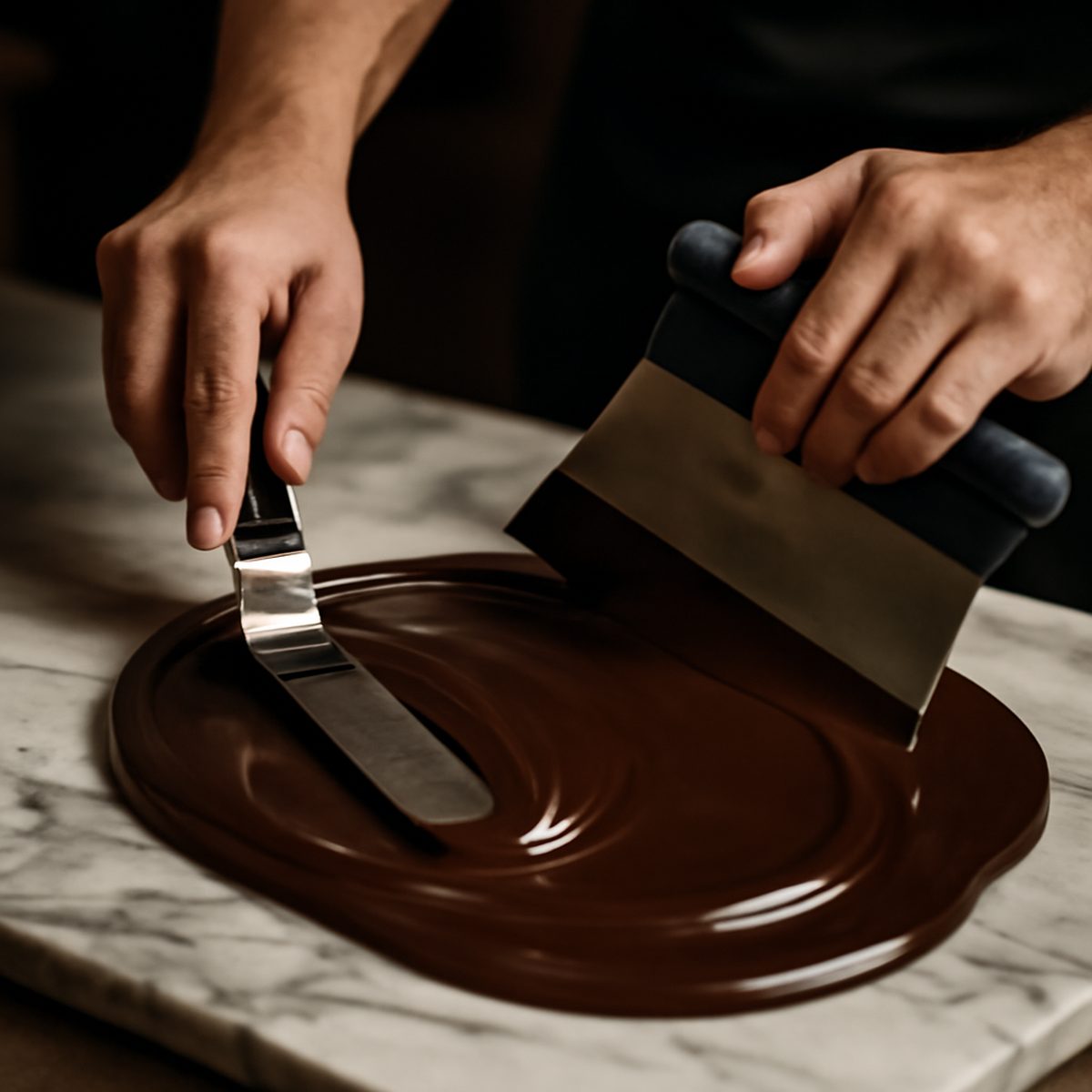
Singapore’s relationship with chocolate has, for most of the past two decades, been defined by imported names — European brands with long histories, sold in boxes designed more for gifting than for genuine tasting. That is changing quietly but decisively, as a small cluster of bean-to-bar chocolatiers has started treating cacao with the same rigour the city’s coffee scene has applied to single-origin beans for years. Provenance, roast profile and conching time are now openly discussed the way tasting notes are on a specialty coffee bag, and the resulting chocolate tastes noticeably different from what most people grew up eating.
The shift from bean-to-bar rather than simply melting and remoulding imported couverture is not a small distinction. It means these makers are sourcing raw cacao directly, often from small farms in Southeast Asia and South America, and controlling every stage of the process themselves — fermentation, drying, roasting, grinding and tempering. That level of control is precisely what allows genuine flavour differences to emerge between origins, in the same way a specific coffee farm’s altitude and processing method shape what ends up in your cup.
What Bean-to-Bar Actually Changes
Mass-produced chocolate is built for consistency above all else, which usually means blending beans from multiple origins to smooth out variation. Bean-to-bar makers do the opposite, often releasing single-origin bars specifically to showcase how differently cacao from, say, Vietnam or the Philippines tastes compared to the more familiar West African beans that dominate commercial chocolate. The result can be genuinely surprising — fruitier, more acidic profiles, or unexpected notes of dried fruit and spice that most people have simply never associated with chocolate before.
How to Taste Chocolate Properly
- Let a small piece melt on the tongue rather than chewing it immediately, to let the full flavour arc unfold.
- Note the finish as much as the initial taste — good bean-to-bar chocolate often changes character several times before it fully melts.
- Compare origins side by side where possible; the differences are far easier to identify in direct comparison than in isolation.
The Makers Worth Knowing
A handful of small studios across the city have built genuine followings by focusing narrowly rather than trying to compete with imported brands on scale. Several work directly with regional cacao farms, paying above commodity rates in exchange for better-fermented, more carefully dried beans — a relationship that mirrors what the city’s better coffee roasters have been doing with their green bean suppliers for years. The overlap in mindset between the two crafts is not a coincidence; several chocolatiers we spoke with cited specialty coffee’s rise as a direct influence on how they approached building their own businesses.
“People assume chocolate is chocolate,” one Singapore-based chocolatier told us. “Then you give them two bars from two different farms, blind, and watch their face change.”
Pairing Chocolate Beyond Dessert
The more adventurous of the city’s chocolatiers have started experimenting with pairings that go well beyond the standard dessert wine — whisky, aged rum, even a well-chosen digestif can complement a dark, high-percentage bar in genuinely interesting ways. For those curious about extending this pairing instinct further, our piece on the art of the digestif covers similar ground on the drinks side, while a good dark chocolate can make a surprisingly natural bridge between the two.
Storing Chocolate the Right Way
Good bean-to-bar chocolate is genuinely fragile in Singapore’s climate, and improper storage can undo weeks of careful making in a matter of days. Heat and humidity cause the cocoa butter within a bar to separate and rise to the surface, producing a dusty grey bloom that, while not harmful, robs the chocolate of its intended snap and glossy finish. The better makers package their bars with this climate specifically in mind, but buyers still do well to store chocolate in a cool, dry cupboard rather than the fridge, where condensation on unwrapping can cause the same bloom to form almost immediately.
A bar bought fresh from a maker’s own studio, rather than one that has sat on a shop shelf for months, will almost always show better — tighter snap, cleaner aroma, a more vivid flavour profile. Buying directly where possible, and asking when a specific batch was made, is a habit worth adopting the same way a serious wine buyer asks about vintage and storage before committing to a bottle.
Where This Fits Into a Considered Gift
A well-chosen box from one of these makers has become one of the more thoughtful gifts available in the city, precisely because it signals a level of attention most imported chocolate boxes simply cannot. Pair it, if you like, with a piece from the pastry chefs redefining Singapore dessert, another category quietly rewriting what a considered gift from this city can look like. Presented well, in simple packaging that lets the chocolate itself do the talking, it reads as considerably more generous than its price tag suggests.
Tasting Flights, Done Properly
A handful of the city’s chocolatiers have started offering guided tasting flights in their studios, a format that mirrors what specialty coffee shops have long done with cupping sessions. These flights typically move from lighter, milder origins through to darker, more intense expressions, allowing genuine comparison in a single sitting rather than relying on memory across separate visits weeks apart. For anyone genuinely curious about the category, booking one of these sessions directly with a maker is a far better introduction than simply buying a bar at random and hoping to intuit the differences alone.
A Craft Still Finding Its Audience
Bean-to-bar chocolate remains a smaller, quieter scene in Singapore than its coffee equivalent, but the trajectory looks familiar — a handful of obsessive makers building genuine expertise, slowly educating an audience willing to pay more for something made with real intention. For more of the city’s food and drink craftspeople doing exactly this kind of patient, deliberate work, our Dining & Drinks section covers the full landscape.
Seek out a bar from a maker willing to tell you exactly where the beans came from, and taste it slowly. The indulgence, done properly, has very little to do with sugar and everything to do with genuine craft.
Renée has covered Singapore's restaurants for over a decade, with a soft spot for the kitchens most people walk past.