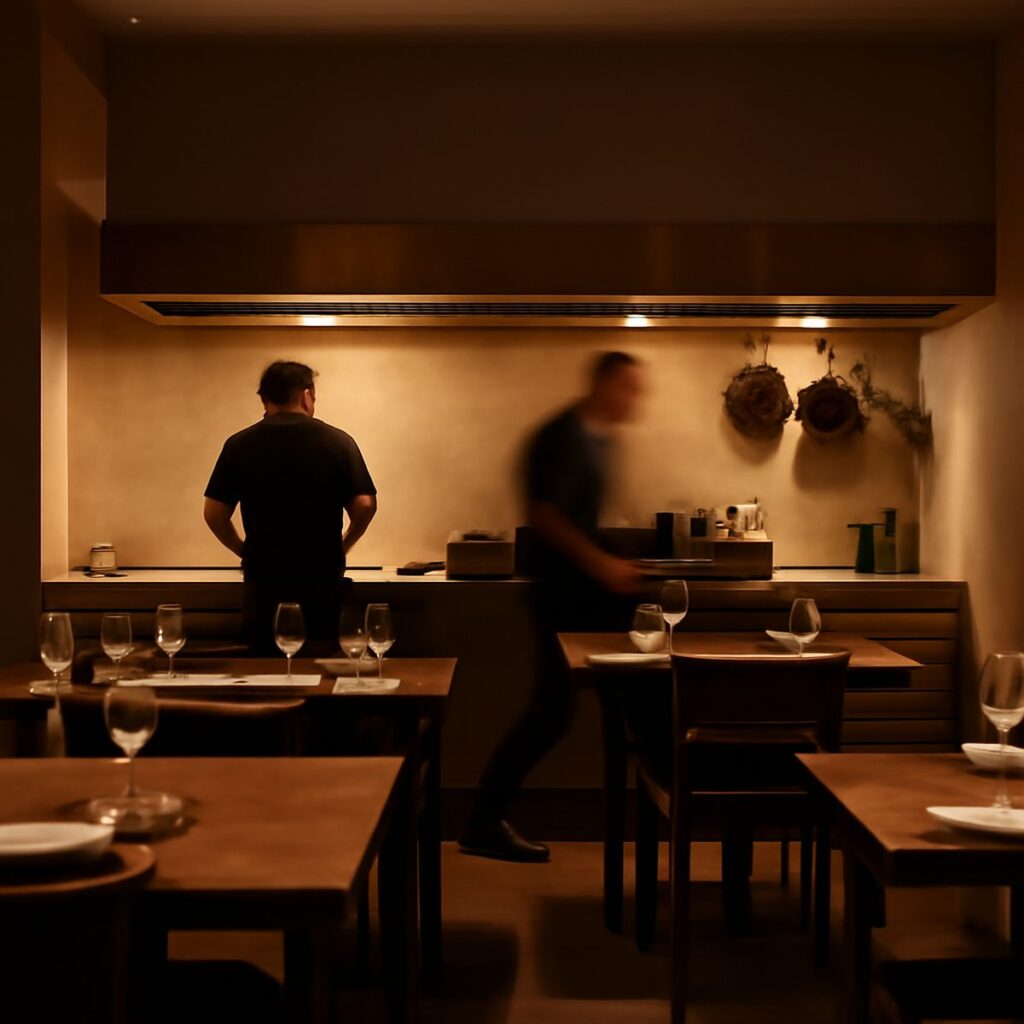
The Best Spots for a Proper Business Lunch
A proper business lunch needs different things from an evening out entirely. Here is how to choose a room that helps close the deal, not distract from it.
 By Renée Tan
29 August 2026 · 6 min read
By Renée Tan
29 August 2026 · 6 min read
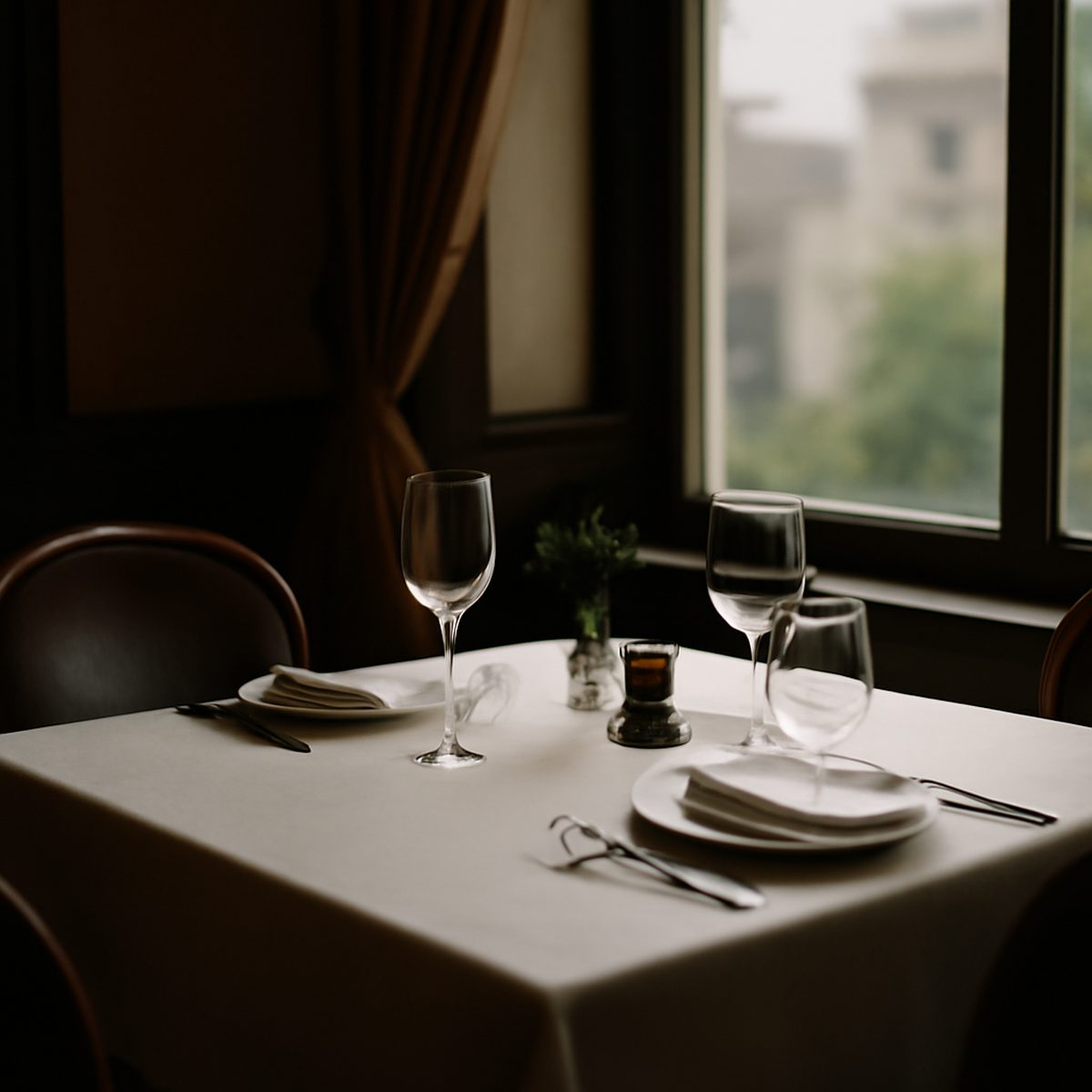
A business lunch is a fundamentally different exercise from an evening meal, though most diners choose a venue as if the two were interchangeable. The room needs to do very different work: it has to be quiet enough for two people to actually hear each other across a table without leaning in, fast enough that a ninety-minute window is realistic without feeling rushed, and formal enough to signal seriousness without tipping into stiff or intimidating. Very few restaurants get all three right, which is why the same handful of rooms tend to earn repeat bookings from Singapore’s professional class.
The mistake many people make is choosing a venue purely on reputation or novelty, without considering whether the room’s actual physical layout supports conversation. A beautiful restaurant with hard surfaces and an open floor plan can be genuinely unusable for a lunch meant to close a deal, however good the food happens to be.
Acoustics Matter More Than the Menu
Sound is the single most underrated factor in choosing a business lunch venue. Rooms with soft furnishings, generous spacing between tables, and some acoustic separation from the main dining floor allow genuine conversation without either party having to raise their voice or repeat themselves. A private or semi-private table, even a simple booth with high sides, does more for a serious lunch meeting than an extra course on the menu ever could.
What to Check Before Booking
- Whether the restaurant offers a fixed-time seating that respects a genuine ninety-minute window rather than expecting a longer, leisurely visit.
- Table spacing — ask specifically, or visit once beforehand at lunch service to gauge the noise level firsthand.
- Whether a shorter, prix fixe lunch menu exists, which tends to move considerably faster than ordering à la carte.
The Wine List That Reads the Room
A good business lunch wine list should offer confident, accessible choices by the glass rather than pushing a full bottle on a table that may not want to drink much at midday. Restaurants that handle this well tend to have staff comfortable suggesting something light and food-friendly without making a guest feel obligated to order more than they intend to. Building the vocabulary to navigate this kind of list quickly and confidently is genuinely useful here; our guide to how to read a wine list without fear covers exactly the kind of fast, low-pressure decision-making a business lunch demands.
Pacing: The Real Test of a Good Room
The best business lunch venues understand that pacing is the entire product. Courses should arrive promptly without feeling rushed, and staff should read a table’s body language well enough to know when to speed up service near the end of a lunch hour. This kind of quiet, attentive service is a close cousin to what makes tableside theatre work so well in an evening setting — staff who read the table and adjust, rather than following a fixed script regardless of context.
“I’ve closed more deals over a well-paced lunch than any dinner,” one longtime hospitality-industry client told us. “Nobody wants to negotiate for three hours.”
Reading Your Guest, Not Just the Room
The right venue also depends heavily on who is sitting across the table. A client visiting Singapore for the first time is often better served by a restaurant with some local character and a view, something that gives the meeting a sense of place beyond the transaction itself, while a regular internal meeting between colleagues can happily default to somewhere efficient and familiar where nobody has to think twice about the menu. Overthinking the venue for a routine internal lunch can, paradoxically, send the wrong signal — suggesting the meeting itself needs more ceremony than it actually does. For those whose budget or schedule calls for something lighter, our round-up of Michelin lunch deals in Singapore offers a sensible place to begin.
Dietary considerations are worth confirming in advance rather than discovering at the table, particularly for larger group lunches involving clients from different backgrounds. A quick message to a restaurant ahead of time, flagging any requirements, tends to produce a considerably smoother meal than raising the issue only once everyone has sat down and the menus have already arrived. It is a small piece of preparation that reflects well on whoever organised the lunch, well beyond the meal itself.
Finally, it is worth having a default venue or two in your own rotation rather than researching a new restaurant for every single lunch meeting. Familiarity with a room’s pacing, its quieter tables and its staff builds a kind of quiet confidence that guests notice, even if they could not say exactly why the lunch felt so smoothly run. For meetings better suited to an earlier hour, the same logic applies to the best places for a power breakfast.
When the Occasion Calls for More Formality
Not every business lunch is a quick, transactional affair. For meetings that genuinely warrant a slower, more considered pace — closing a major deal, entertaining a client visiting from overseas — a longer, more indulgent format can be entirely appropriate, closer in spirit to a proper long lunch than a standard workday meal. Knowing which register the occasion calls for, and choosing the venue accordingly, is arguably the most important decision in the whole exercise.
Following Up Well After the Meal
A business lunch does not truly conclude when the bill is settled, and the strongest impressions are often left in the immediate follow-up rather than in the meal itself. A brief note sent the same afternoon, referencing something specific from the conversation rather than a generic thank-you, tends to land considerably better than a delayed or overly formal message. The venue does its work by removing friction from the conversation; what happens after the lunch is where the relationship actually gets built.
A Category Worth Getting Right
Singapore’s dining scene has no shortage of genuinely excellent restaurants, but relatively few are actually built for the specific demands of a business lunch — quiet, fast, formal without being intimidating. The rooms that consistently get this right earn a loyal, repeat clientele precisely because they solve a real practical problem rather than simply serving good food.
For more of the city’s considered dining across every occasion, from quick working lunches to leisurely evenings, our Dining & Drinks section is the place to keep exploring. Choose the room as carefully as you choose the words at the table, and the lunch itself does considerably more of the work for you.
Renée has covered Singapore's restaurants for over a decade, with a soft spot for the kitchens most people walk past.