The Best Tarn and Mountain-Lake Retreats
Glacial water, thin mountain air and near-total silence: the best tarn and mountain-lake retreats trade spectacle for a stillness that's genuinely hard to find.
 By Marcus Lim
1 September 2026 · 6 min read
By Marcus Lim
1 September 2026 · 6 min read
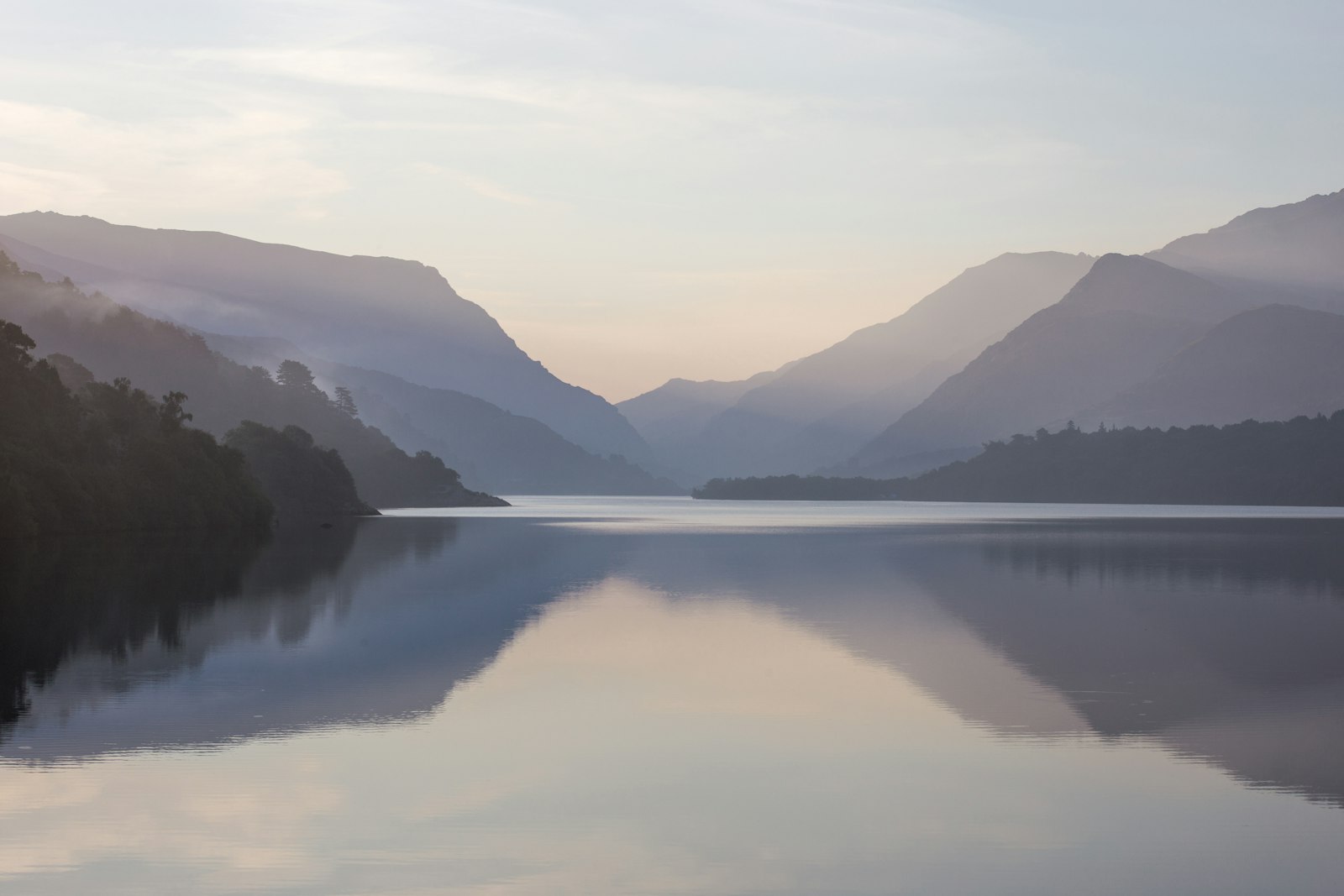
A tarn — a small, high-altitude lake, typically glacial in origin, cupped within mountain terrain too steep or remote for large-scale development — offers a particular kind of stillness that lower-altitude lake resorts rarely manage. The water tends to be startlingly clear, cold enough to feel genuinely alive rather than merely scenic, and the surrounding silence, broken only by wind and the occasional bird, has a way of resetting a traveller’s sense of pace almost immediately on arrival. The best retreats built around these settings understand this and resist the temptation to over-programme the experience.
What Sets a Tarn Retreat Apart
Unlike larger lake resorts designed around water sports and busy shorelines, the properties worth seeking out near genuine mountain tarns are built small and deliberately restrained — a handful of rooms, minimal infrastructure, and an emphasis on the surrounding landscape rather than on amenities competing for attention. Altitude plays a role too: many of the finest tarns sit high enough that the air itself feels different, thinner and cleaner, and the combination of cold, still water and elevated terrain produces a genuinely distinct sensory experience from a typical lakeside stay at lower elevation.
What to Look For When Booking
- Properties that limit guest numbers deliberately, preserving the silence that’s the entire point of a tarn setting.
- Guides who understand the specific geology and ecology of glacial lakes, rather than generalist hiking staff.
- Seasonal timing — many high-altitude tarns are only accessible or at their most striking during specific windows in the year, and a good property will be honest about this rather than overselling an off-season visit.
- Thoughtful, low-impact architecture that doesn’t compete visually with the landscape it sits within.
What to Pack for the Altitude
Even a short stay at a genuine high-altitude tarn demands more thoughtful packing than a typical resort trip. Layering matters more than any single heavy garment, since temperature swings between a sun-warmed midday and a genuinely cold evening can be dramatic at elevation, and a good retreat’s staff will usually offer specific guidance based on the particular week’s forecast rather than generic seasonal advice. Sturdy, broken-in walking shoes are non-negotiable given the uneven, often rocky terrain immediately surrounding most tarns, and travellers accustomed to lower-altitude hiking should build in extra time for any planned walks, since thinner air genuinely slows most people’s pace regardless of general fitness level.
Beyond the Tarn: The Wider Mountain-Lake Landscape
Tarns represent one particular, high-altitude expression of a much broader category of mountain and lakeside retreats across Asia, and travellers drawn to this kind of stillness have plenty of related territory worth exploring. A guide to the best mountain retreats in Asia covers a wider range of elevation-driven properties beyond those built specifically around lakes, useful for travellers whose priority is altitude and quiet rather than water specifically. For those who want the lakeside experience without necessarily chasing the highest, most remote tarns, a guide to the best lakeside retreats in Asia offers a more accessible, though still carefully curated, alternative.
“Guests arrive expecting to fill their days,” one lodge manager told me, gesturing toward the still water below the property. “By the second morning, most of them have stopped checking the time. That’s really the whole design of the place.”
The Best Seasons for a Tarn Visit
Timing shapes a tarn retreat’s experience more than almost any other single factor. Late spring and early autumn tend to offer the clearest, calmest water and the most stable weather windows for hiking to and around the lake itself, while winter can bring genuinely spectacular scenery — frozen or partially frozen tarns ringed by snow-covered peaks — but demands more serious cold-weather preparation and often restricts access to only the most accessible properties. Summer, somewhat counterintuitively, is not always the best choice at these elevations; monsoon patterns in parts of Asia can bring persistent cloud cover that obscures exactly the mountain views travellers are paying to see, along with a higher chance of trail closures.
A good retreat will be candid about these seasonal trade-offs rather than encouraging bookings regardless of timing, and the very best properties actively adjust their programming to match the season — swapping longer hikes for shorter, more contemplative walks during less favourable weather windows, or building in extra buffer days for guests to wait out a passing storm before attempting a summit trail. Travellers serious about experiencing a tarn at its most striking should build real flexibility into their itinerary, since even a single day’s difference in timing can transform the same lake from merely pleasant into genuinely unforgettable. For water of a gentler, lowland kind, our pick of oxbow and floodplain escapes offers a quieter counterpoint to the high tarns.
Sustainability at High Altitude
Properties built near fragile glacial or high-mountain lake ecosystems carry a particular responsibility, given how sensitive these environments can be to overdevelopment, water contamination and foot traffic. The retreats worth genuinely recommending are the ones that have built low-impact water and waste systems from the outset, worked closely with local conservation efforts, and limited guest capacity as a deliberate ecological choice rather than simply a marketing angle. Travellers with a broader interest in this approach to remote, ecologically sensitive travel will find useful context in a guide to the best lakeside eco-retreats in Asia, which surveys properties applying similar principles at somewhat lower, more accessible elevations.
A Note on Solitude and Safety
Part of a tarn’s appeal is its remoteness, but that same remoteness demands genuine respect. Mobile signal is often unreliable or entirely absent around the more isolated lakes, and a good property will brief guests thoroughly on trail conditions, emergency protocols and expected return times before any unguided walk. Travelling with a property-arranged guide, rather than venturing out independently, is strongly advisable for anyone unfamiliar with high-altitude terrain, since weather at these elevations can shift with genuine speed, turning a clear, calm morning into a fog-bound afternoon within the space of an hour or two.
Planning a Visit
Because many of the finest tarn settings sit at real altitude, acclimatisation matters more here than at a typical resort — travellers should plan for a slower arrival, ideally spending a night or two at a moderate elevation before continuing up, both for comfort and genuine safety. The reward for that patience is considerable: a handful of days spent beside water so clear and still it seems to hold the surrounding peaks suspended within it, in a silence that very few travel experiences, at any price point, still manage to offer. For more of the region’s essential travel and stays, visit Travel & Stays.
Marcus writes on travel and hospitality across Asia, and is happiest a long way from a lobby.