The Best Spanish Restaurants and Asadors
Spanish cooking in Singapore has moved well past sangria and patatas bravas. The asador in particular deserves a far closer look than it usually gets.
 By Renée Tan
30 August 2026 · 6 min read
By Renée Tan
30 August 2026 · 6 min read
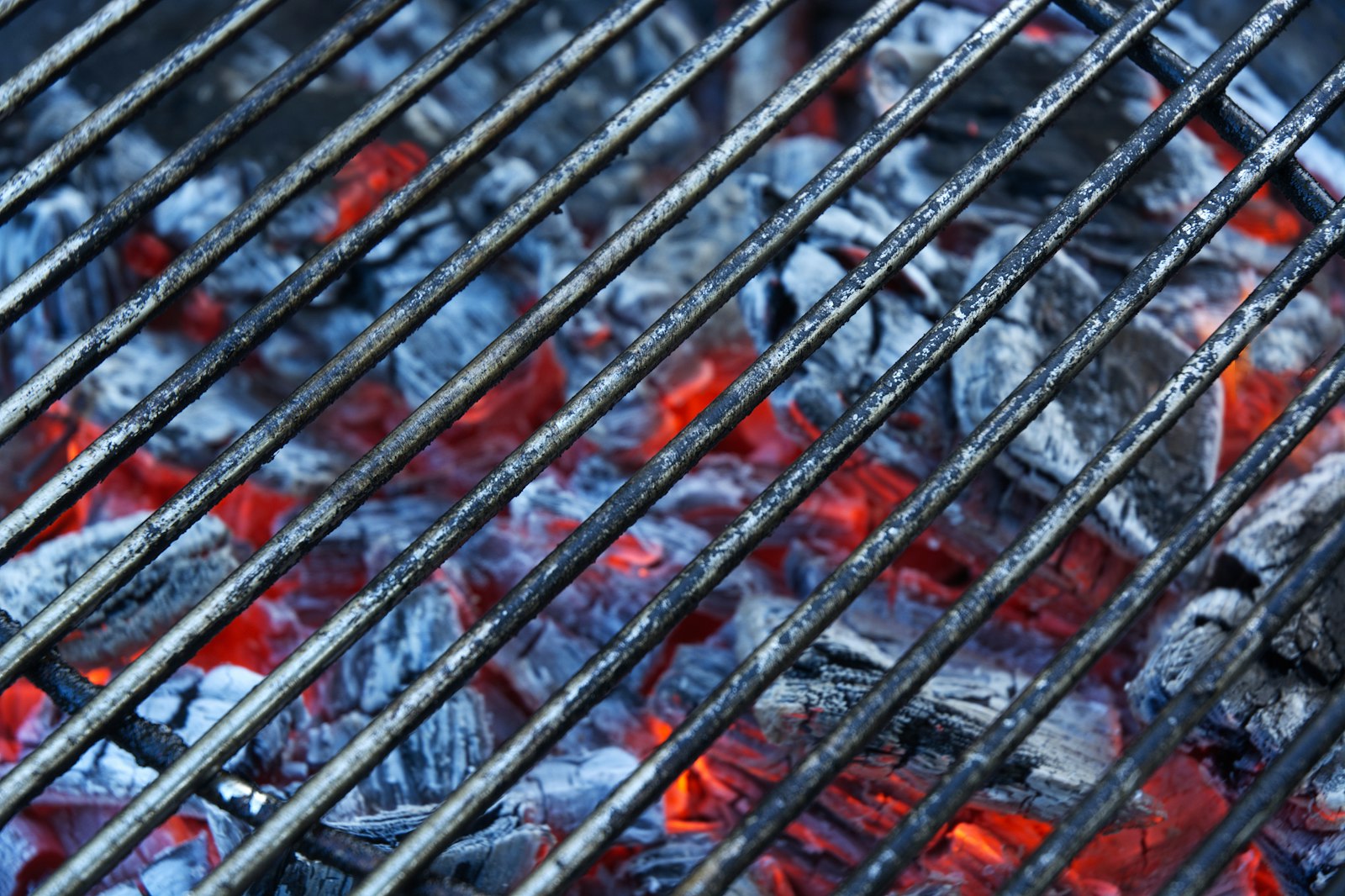
An asador, at its most literal, is simply a restaurant built around fire — a live-fire grill or open hearth used to cook everything from whole fish to aged beef, with almost nothing in the way of sauce or garnish to hide behind. It is, in its way, the Spanish answer to the same principle that governs a great daiquiri: fewer variables, nowhere to disguise a mistake. Singapore’s Spanish dining scene has grown considerably more serious over the past few years, moving well beyond the sangria-and-patatas-bravas version of Spanish food that dominated menus a decade ago, and the asador is where that seriousness shows most clearly.
What makes an asador worth trusting
The best asadors are judged almost entirely on restraint. A whole fish, salted simply and grilled over charcoal or wood until the skin blisters and the flesh just releases from the bone, tells you everything about a kitchen’s confidence — there is no sauce to correct an overcooked fillet, no plating trick to disguise poor timing. The same goes for a chuletón, the enormous bone-in rib steak that anchors most serious Spanish grill menus, usually dry-aged and always served simply sliced, with little more than good olive oil and flaky salt alongside. Watching a kitchen manage the fire itself — moving coals, adjusting grill height, timing a piece of meat by touch rather than a clock — is often more revealing than tasting the food, since it shows whether the kitchen actually understands live fire or is simply using it for effect.
Beyond the fire, a good Spanish restaurant in Singapore should have a serious jamón programme, hand-carved to order rather than pre-sliced and left to dry out under plastic, and a wine list weighted properly toward Rioja, Ribera del Duero and the less fashionable regions of northern Spain rather than defaulting entirely to Bordeaux and Burgundy because they are easier to sell.
Tapas done as more than an afterthought
Tapas culture in Singapore has historically suffered from being treated as a cheaper, smaller version of a full meal rather than a genuine cooking discipline in its own right. The better kitchens now treat small plates with the same seriousness as a tasting menu — a properly made tortilla española, custardy in the centre rather than cooked all the way through, or croquetas with a bechamel filling loose enough to nearly run when cut into, rather than the stiff, over-thickened version that dominates lesser kitchens.
- A live-fire asador specialising in whole fish and dry-aged beef, where the grill sits in full view and the menu changes with what looks best that morning.
- A tapas-forward counter doing the small plates seriously, worth ordering six or seven dishes to share rather than committing to one large plate each.
- A more formal Spanish dining room built around a serious jamón and sherry programme, useful for an occasion that calls for a bit more ceremony.
What to order on a first visit
- Jamón ibérico, hand-carved, eaten on its own before anything else arrives so you can actually taste it properly.
- A whole grilled fish to share, ordered simply rather than dressed up with an elaborate sauce.
- Pimientos de padrón, blistered and heavily salted, as a reliable measure of whether the kitchen understands how to use fire with restraint.
“People think an asador is about the size of the steak, but really it’s about knowing exactly when to pull something off the fire — that’s the entire job,” one chef running a Spanish grill kitchen in Singapore told us.
What separates the genuinely serious kitchens
Ingredient sourcing tends to be the clearest tell of a Spanish restaurant’s seriousness in Singapore, where nearly everything has to travel a long way to reach the plate. Kitchens that fly in specific cuts of Iberian beef, olive oil from a named region rather than a generic blend, or genuinely aged jamón rather than a younger, less complex version, are generally the ones willing to charge accordingly and explain why on request. It is a fair question to ask a server directly — where the beef is from, how long the jamón has been cured — and a kitchen that answers with genuine specificity is usually one worth trusting with the rest of the meal too.
Pairing it properly
Sherry remains criminally underordered alongside Spanish food in Singapore, despite being one of the more versatile pairings available — a chilled fino or manzanilla cuts beautifully through fried or grilled seafood, while an oloroso holds up well against richer grilled meats. A short but well-chosen Spanish wine list, favouring Rioja’s tempranillo-based reds and the fresher, more mineral whites of Rías Baixas, tends to be a better indicator of a kitchen’s seriousness than an extensive but generic international list padded out for safety.
The occasion each format suits
Not every Spanish meal needs to be a full asador experience, and part of navigating the scene well is matching the format to the occasion. A live-fire grill dinner, with a whole fish or a chuletón shared across the table, suits a slower, more deliberate evening — the kind of meal built around one or two showpiece dishes rather than constant variety. Tapas, by contrast, suits a looser, more conversational evening, where six or eight small plates arrive in whatever order the kitchen sees fit and the table simply keeps ordering until everyone is satisfied. Knowing which mood you are after before you book is usually the difference between a good night and a merely adequate one.
A growing number of Singapore’s Spanish kitchens have started blending the two formats within a single menu, offering a handful of grilled showpiece dishes alongside a longer tapas list, which suits groups with mixed appetites but occasionally dilutes the focus that makes each format work best on its own. When booking for a special occasion specifically, it is worth asking whether the kitchen still fires its grill nightly or only on weekends, since a live-fire programme run inconsistently rarely delivers the same result as one treated as the kitchen’s actual core discipline.
Spanish cooking rewards the same instinct that runs through the best of this city’s dining and drinks scene: confidence expressed through restraint rather than flourish. For those chasing a similarly plate-sharing, small-format meal, our guide to the best small plates and tapas spots is worth reading alongside this one, and anyone building a serious wine habit around these kinds of meals should look to the sommeliers shaping Singapore’s wine lists for who is actually curating these programmes well.
Renée has covered Singapore's restaurants for over a decade, with a soft spot for the kitchens most people walk past.