The Best Small-Batch and Craft Spirits
Small production runs and real provenance: a guide to the craft spirits worth seeking out in and around Singapore, and how to spot the merely well-marketed.
 By Renée Tan
30 August 2026 · 6 min read
By Renée Tan
30 August 2026 · 6 min read
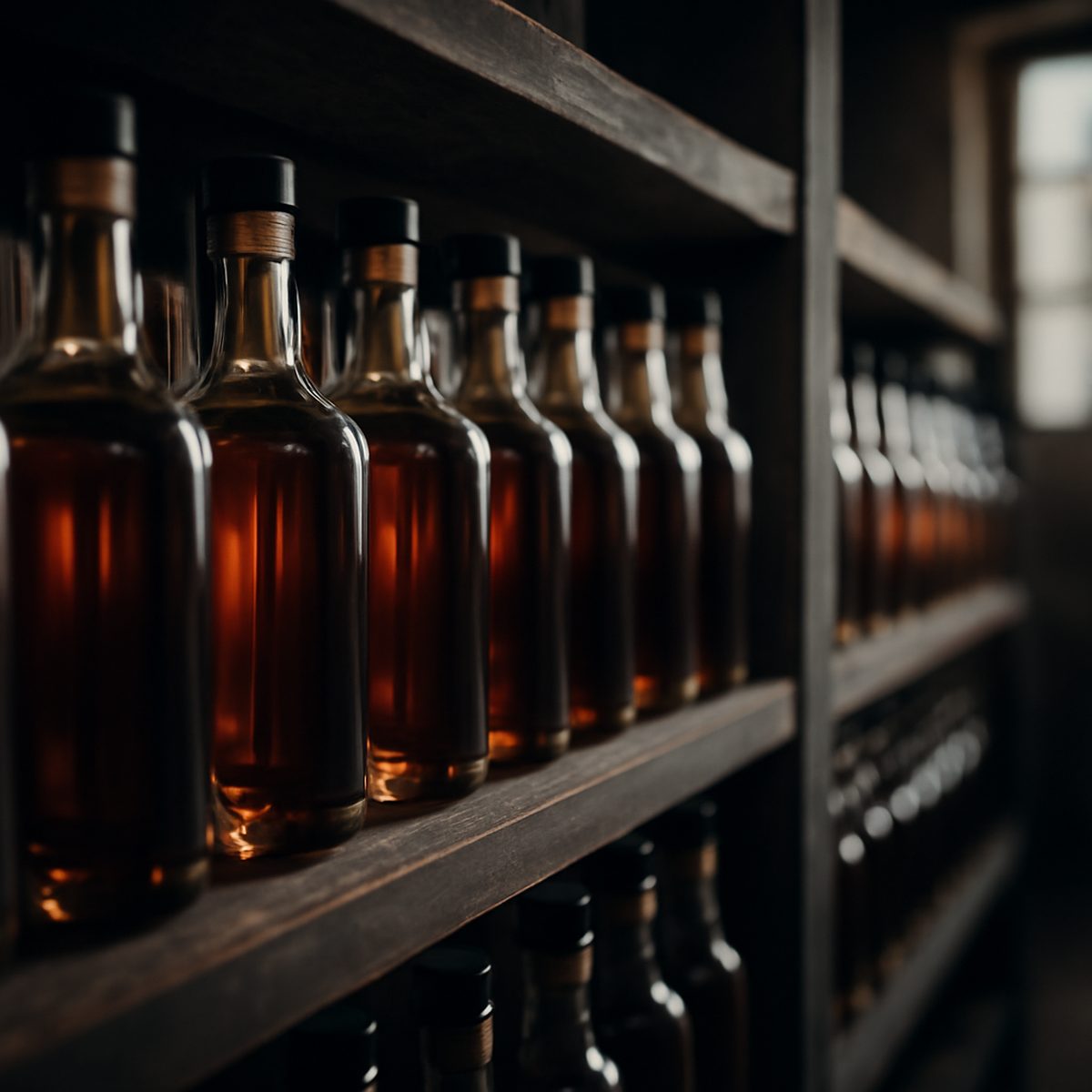
The phrase “craft spirits” has been stretched so thin by marketing departments over the past decade that it barely means anything on its own anymore. Large producers now routinely apply the label to products made at genuinely industrial scale, betting correctly that most drinkers will not investigate the actual production volume behind the folksy packaging. The genuine article — small production runs, hands-on distillation, real regional character — still exists, and increasingly so in and around Singapore, but finding it requires slightly more scepticism than the label alone tends to reward.
What Actually Makes a Spirit “Craft”
The most useful working definition centres on batch size and hands-on control rather than any specific romantic notion of tradition. A genuinely small-batch operation typically distills in copper pot stills rather than continuous column stills, produces limited runs measured in hundreds or low thousands of bottles rather than tens of thousands, and involves the same small team in every stage from mashing to bottling. This scale allows for a degree of experimentation and correction that larger operations cannot easily replicate — a distiller can adjust a recipe batch to batch based on how the previous run tasted, something functionally impossible at industrial volume.
None of this guarantees quality on its own. Small scale can just as easily produce an inconsistent, poorly made spirit as a genuinely excellent one; the difference lies in the skill and patience of the people actually running the stills, not the batch size alone.
Southeast Asia’s Emerging Distilling Scene
The region’s craft spirits movement has grown considerably over the past decade, driven partly by a new generation of distillers keen to work with genuinely local ingredients rather than importing everything from established European or American supply chains. Gin has led this charge most visibly, with regional distillers infusing local botanicals — pandan, kaffir lime leaf, local peppercorns, even durian in a handful of more adventurous releases — into otherwise classically structured London Dry-style spirits. Our guide to the distilleries and gin worth knowing covers this scene in considerably more depth, tracking which producers are genuinely innovating with regional botanicals versus simply adding a token local ingredient for marketing purposes.
Rum, too, has seen a quiet renaissance, with several small producers around the region working directly with local sugarcane rather than imported molasses, producing spirits with a distinctly different, often grassier character to the Caribbean rums most drinkers default to.
Reading a Label Properly
“If a bottle doesn’t tell you where it was actually distilled, that’s usually the first red flag,” one independent spirits importer working with several regional producers told us. “A lot of ‘craft’ bottles are just sourced spirit, rebranded and bottled elsewhere.”
This distinction — between spirit that is genuinely distilled by the brand named on the bottle versus spirit purchased in bulk from a large industrial producer and simply rebottled under a smaller, more appealing label — is one of the more important things to understand before spending seriously in this category. It is not necessarily dishonest; many respected brands built their early reputation on sourced spirit while developing their own distilling capability. But transparency about which category a given bottle falls into is a reasonable thing to expect, and its absence is worth treating as a caution flag.
Aged Versus Unaged: A Different Kind of Craft
Small-batch producers working in aged categories — whisky, rum, aged agave spirits — face an additional challenge that unaged spirits like gin and vodka do not: time. A young distillery simply cannot produce a genuinely well-aged whisky within its first several years of operation, no matter how skilled the distiller, because barrel maturation cannot be rushed. This has led several ambitious regional producers to focus initially on unaged or lightly aged categories while their first proper aged releases mature in barrel, a patient, commercially difficult strategy that deserves real respect when executed with discipline rather than abandoned for a quicker, unaged-only product line. Our broader guide to the best aged and rare spirits covers the collector’s side of this category for those interested in the longer-maturation end of the spectrum.
The Case for Paying the Premium
Genuinely small-batch spirits cost more than their mass-market equivalents, and that premium is generally justified rather than purely a marketing exercise, once the true economics of small-scale distilling are understood. A large industrial distillery benefits from enormous economies of scale — bulk ingredient purchasing, automated production, minimal labour per bottle produced. A small operation enjoys none of these advantages, absorbing significantly higher per-bottle costs for raw materials, labour and equipment that could otherwise be running at a fraction of its capacity. Understanding this economic reality helps explain why a genuinely small-batch gin or rum often costs two or three times its industrial equivalent, and why that premium, uncomfortable as it may feel at the till, is not simply extracted margin.
This is also why scepticism should be reserved specifically for brands charging craft-level prices while sourcing bulk industrial spirit — the premium, in that case, is buying marketing rather than production quality, and it is worth learning to tell the two apart before spending seriously in this category.
Exploring Beyond the Familiar
- Ask your bar or retailer directly where a spirit is distilled, not just bottled — the distinction matters more than most labels make clear.
- Try regional gin before assuming London Dry is the only serious style worth exploring in this category.
- Look into the mezcal and agave category for a genuinely different approach to small-batch, terroir-driven spirits, covered in our guide to the mezcal and agave spirits worth knowing.
- Visit a distillery directly if you can. Several regional producers now offer tours and tastings that make the production process, and the genuine scale involved, immediately clear.
- Compare a young craft spirit against an established equivalent side by side. The character differences are often more instructive tasted together than described in isolation.
For more of the region’s drinking culture, from cocktail craft to the bars pouring it best, our Dining & Drinks section continues to track where genuine care is being taken, batch by small batch. It is a category that rewards curiosity considerably more than brand loyalty, and the reward for that curiosity, more often than not, is a genuinely better glass.
Renée has covered Singapore's restaurants for over a decade, with a soft spot for the kitchens most people walk past.