The Best Minimalist Sneakers, Reconsidered
A good minimalist sneaker asks for almost nothing and gives back plenty — this guide covers what separates a considered pair from a merely plain one.
 By Daniel Koh
31 August 2026 · 6 min read
By Daniel Koh
31 August 2026 · 6 min read
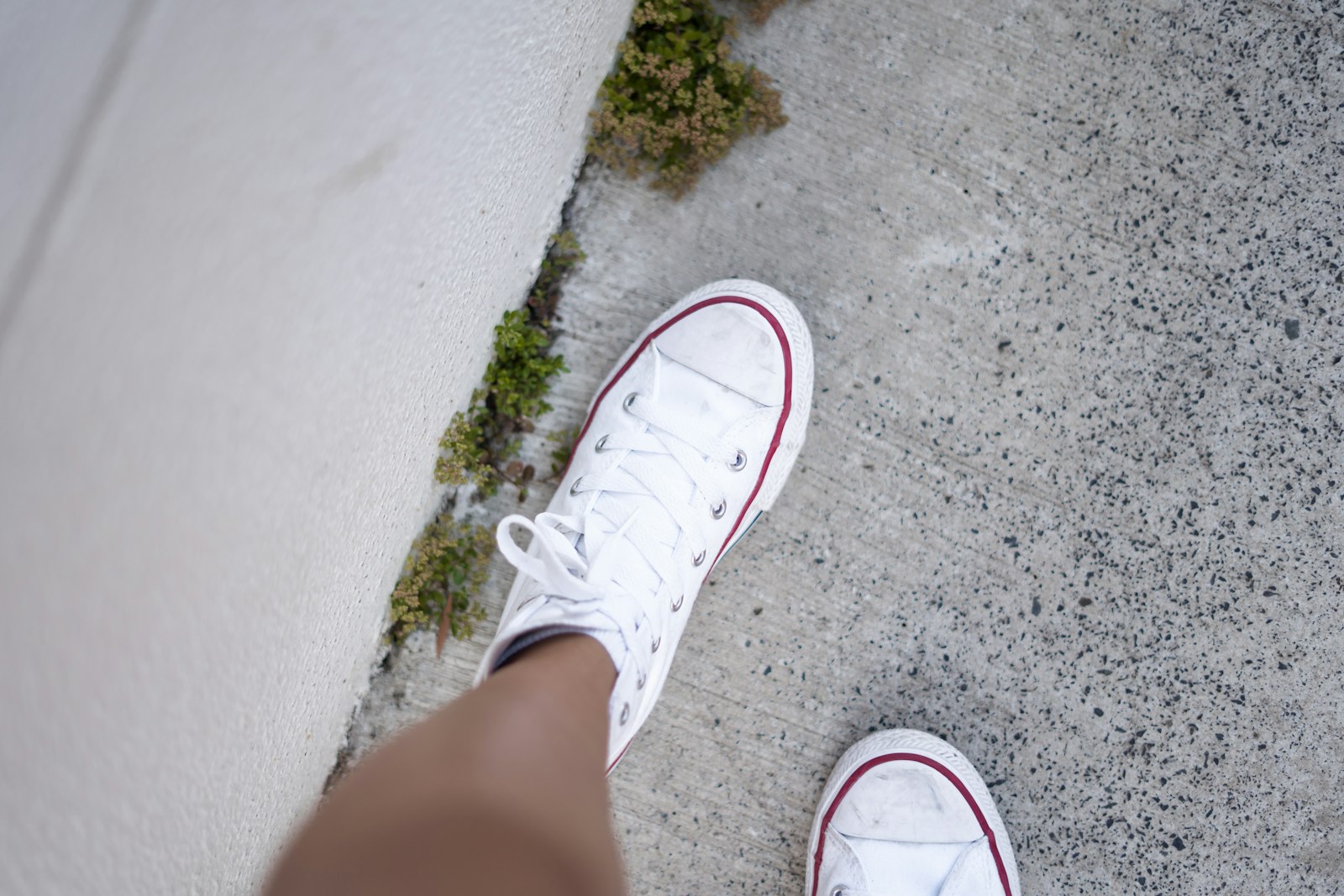
The minimalist sneaker occupies a strange position in modern menswear — a shoe defined almost entirely by what it is not. No visible branding, no chunky sole, no contrast panelling, no reflective detailing. What is left, once all of that has been stripped away, is a shoe that lives or dies on the quality of a handful of remaining decisions: the leather, the last, the stitching, and the proportion of the sole. Choosing one well requires paying closer attention to fewer things, which turns out to be considerably harder than choosing a shoe with more obvious features to evaluate.
Why Minimalism Is Harder to Get Right
A heavily branded trainer can hide a great deal of mediocre construction behind logos, colour-blocking and technical-sounding marketing. A minimalist sneaker has nowhere to hide. Every seam is visible, every proportion is exposed, and a shoe that is even slightly wrong in its last — the three-dimensional form around which the shoe is built — will simply look wrong, with no distracting detail to draw the eye elsewhere. This is precisely why the best minimalist sneakers tend to come from makers with a genuine shoemaking heritage rather than sportswear brands attempting a stripped-back line; getting the proportions right without any decoration to fall back on is a specifically old-fashioned skill.
Leather, and Why It Changes Everything
The single biggest difference between a genuinely good minimalist sneaker and a merely adequate one is the leather itself. A full-grain leather upper, properly tanned, develops a soft patina over months of wear that synthetic or heavily corrected leather simply cannot replicate — small creases and colour variation building up in exactly the places the shoe flexes most, in a way that starts to look genuinely personal rather than merely worn. Buyers should run a hand across the leather before purchasing where possible; a good full-grain hide has a slightly irregular, almost warm texture, while a corrected or heavily coated leather feels uniformly smooth and slightly plastic by comparison.
Sole and Last: The Two Decisions That Matter Most
A minimalist sneaker’s sole should be low-profile without being flimsy — enough cushioning for genuine all-day comfort, but not so much bulk that the proportions start to look chunky or sporty. Cupsole construction, where the sole wraps slightly up the sides of the upper, tends to offer the cleanest silhouette while remaining durable and resoleable. The last, meanwhile, determines how the shoe actually sits on the foot, and this is where fit trumps every other consideration; a beautifully made shoe on the wrong last will never feel right, however good the leather. Trying a pair in person, or at minimum consulting detailed sizing guidance from the specific maker, matters more here than with almost any other category of footwear.
A Short Buying Checklist
- Full-grain leather upper, ideally vegetable-tanned for the best patina over time
- A low-profile cupsole with genuine resoling potential rather than a fully bonded, disposable construction
- Minimal or no visible branding, letting proportion and material carry the design
- A last that suits your specific foot shape, checked in person wherever possible
“People think minimalist means cheap to make,” a shoemaker told me, holding up a half-finished last. “It’s the opposite. There’s nowhere to hide a bad decision.”
Pairing and Wearing
The great strength of a well-made minimalist sneaker is its versatility — equally at home under tailored trousers as under raw denim, provided the colour stays restrained. White and off-white remain the most flexible choices, though a deep tan or dark green leather offers a slightly less predictable alternative for buyers who already own a white pair. Readers building a wider considered footwear rotation should look at our guide to how to build a shoe wardrobe and, for the more formal counterpart to this category, the loafers worth resoling for life. Our broader Style & Watches section and related piece on building a ten-piece capsule wardrobe both offer further context on how a single well-chosen sneaker fits into a genuinely considered wardrobe.
A good minimalist sneaker rarely announces itself, and that is exactly the point. Bought well, it becomes one of those quiet wardrobe anchors that gets reached for more often than almost anything else owned, precisely because it asks so little of the outfit built around it. For those weighing up the purest version of the form, our guide to the perfect white sneaker covers what to look for.
Keeping a Pair Looking Right
Minimalist sneakers show wear more visibly than heavily decorated trainers precisely because there is nowhere for scuffing or discolouration to hide. Regular cleaning matters considerably more here than with a busier design; a soft brush and a small amount of appropriate leather cleaner, used weekly rather than only when the shoe looks obviously dirty, keeps the leather in far better condition over time. White leather in particular benefits from a light coat of protective cream applied when new, which noticeably slows the yellowing and scuffing that untreated white leather is prone to. Rotating between two pairs, rather than wearing a single pair daily, also extends the life of the leather and the sole considerably, giving each pair time to fully dry and recover its shape between wears.
When to Resole, Not Replace
One of the clearest advantages of buying a genuinely well-constructed minimalist sneaker is the option to resole rather than replace once the original sole eventually wears through. A cupsole construction built with resoling in mind can typically be refreshed at least once, sometimes twice, extending the life of a well-loved pair considerably beyond what a fully bonded, disposable construction ever allows. Buyers serious about longevity should ask specifically about resoling options at the point of purchase, since not every maker offers the service, and factoring this into the initial buying decision often makes the higher upfront cost of a quality pair considerably easier to justify.
It is also worth asking whether replacement laces and insoles are sold separately by the maker, since these two small components tend to wear out well before the leather itself, and a matched replacement keeps the shoe looking considerably more polished than a mismatched aftermarket substitute. Buyers who plan to keep a pair for several years are generally better served choosing a maker who supports the whole life of the shoe in this way, rather than one who treats each pair as effectively disposable once its original components wear through.
Daniel has spent fifteen years arguing that the best watch is the one you never take off.