The Best Materials for a Timeless Loggia
A loggia lives permanently between indoors and out. Here is how to choose materials that hold up to real weather while still feeling genuinely considered.
 By Priya Nair
1 September 2026 · 5 min read
By Priya Nair
1 September 2026 · 5 min read
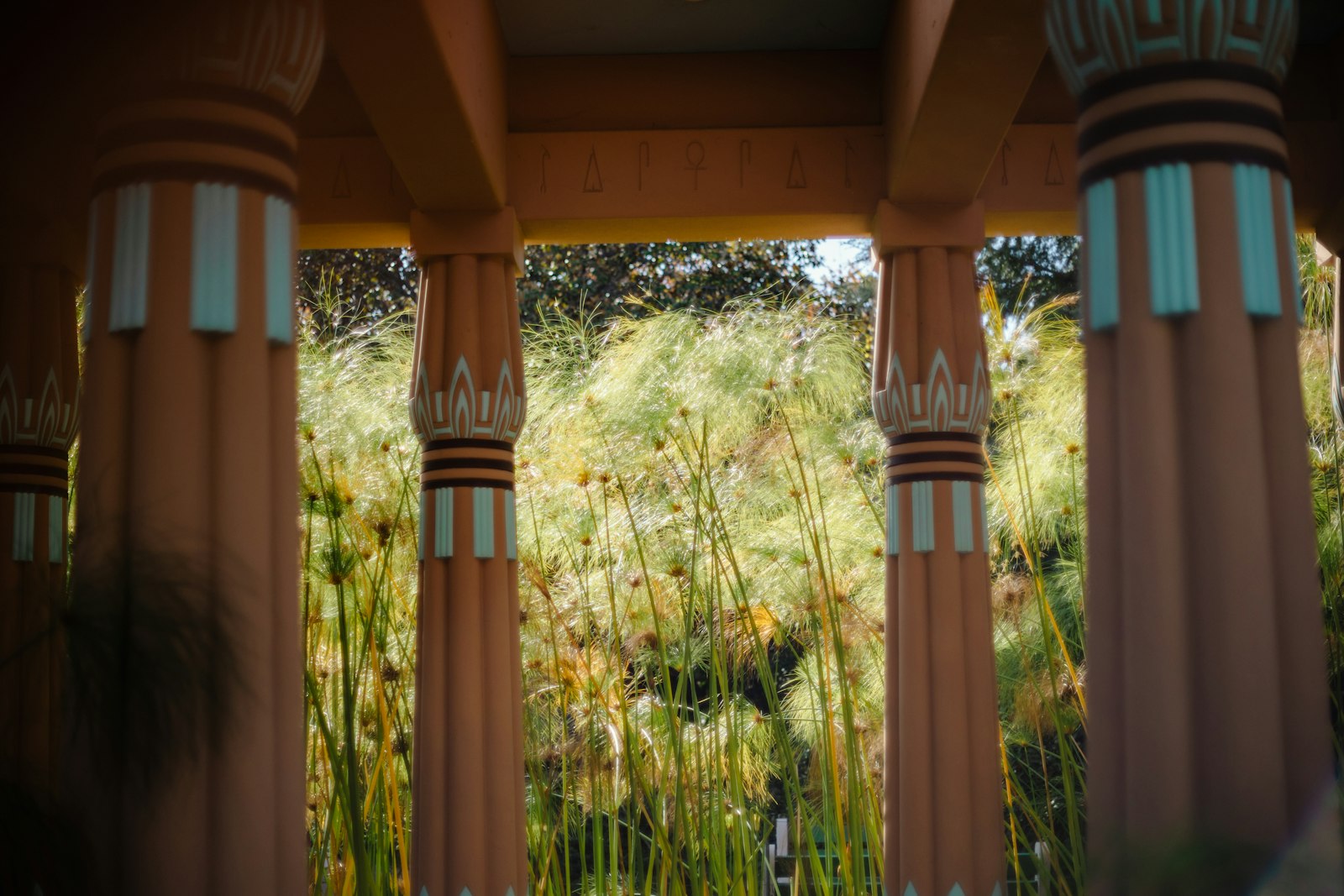
A loggia occupies a genuinely unusual position in a home’s architecture — permanently open to the elements on at least one side, yet roofed and structured enough to feel like a proper room rather than a simple terrace. That in-between status makes material selection considerably more demanding than for either a fully enclosed interior or a fully exposed outdoor space, since everything chosen has to perform honestly under weather while still reading as refined rather than merely utilitarian.
Flooring: The Foundation of a Loggia
Natural stone remains the benchmark material for loggia flooring, and for good reason — it tolerates the temperature swings, humidity and occasional driven rain that a covered but open space inevitably experiences, while ageing gracefully rather than deteriorating. Limestone and terracotta both suit the register well, offering warmth underfoot without the slipperiness that a highly polished finish introduces in a space that will inevitably get wet. In Singapore specifically, a honed rather than polished finish is worth the trade-off in maintenance for the genuine improvement in safety during the wetter months.
Terrazzo as a Considered Alternative
Terrazzo, particularly in its more traditional cement-based form rather than the thinner resin versions, performs remarkably well in a loggia setting, combining genuine durability with a decorative quality that stone alone cannot match. Its renewed popularity in considered homes generally makes it a natural fit here too, discussed further in our piece on the terrazzo and tile revival.
Columns and Structural Elements
Plastered masonry columns, rendered in a warm, breathable lime finish, remain the most versatile choice for a loggia’s structural elements, since they can be adapted to almost any architectural language from classical to contemporary depending on their proportion and detailing. Stone columns offer greater permanence and a more overtly grand character, at correspondingly higher cost, while timber columns bring warmth but demand considerably more ongoing maintenance to resist the combined effects of sun and humidity over years of genuine exposure.
Ceiling Treatments for a Shaded, Breathable Space
A loggia’s ceiling does significant work in setting the mood of the space, and timber remains the material most associated with the form for good reason — a beamed or planked timber ceiling, properly sealed against moisture, brings warmth overhead that plaster alone cannot replicate, while still allowing enough breathability to avoid trapping humidity beneath it. Vaulted plaster ceilings offer a more formal alternative, well suited to a loggia designed in a more classical register, and pair naturally with the considerations explored in our guide to the garden room and conservatory, another space that shares the loggia’s essential in-between character.
Ironwork, Screens and Shading
Wrought or cast ironwork, whether as balustrading, decorative screens or simple hardware, brings a fine, contrasting texture against the heavier masses of stone and plaster that dominate most loggia construction. Properly finished with a marine-grade coating rather than a standard interior paint, it withstands the ambient humidity of a semi-open space without the rust bleed that undermines so many well-intentioned ironwork installations within a few years. Timber louvred screens or simple rattan blinds offer a softer, more adjustable alternative for managing low-angle sun without fully enclosing the space, an important consideration in a climate where direct afternoon light can otherwise make a loggia uncomfortable for a good part of the day.
Getting the Balance of Openness Right
The best loggias resist the temptation to fully enclose themselves against the weather, since doing so simply recreates an ordinary room and loses the particular quality that makes a loggia worth building in the first place. Adjustable shading — retractable awnings, operable louvres, simple curtains hung between columns — offers a more considered middle ground, allowing the space to flex between fully open and partially sheltered depending on the weather, rather than committing permanently to one state.
Furnishing for Genuine Outdoor Durability
Whatever furniture ultimately fills a loggia needs to tolerate genuine outdoor conditions despite the space’s roofed, semi-enclosed feel, since driven rain and ambient humidity both reach further into a loggia than its architecture might suggest. Teak, properly weathered rather than kept artificially pristine, remains the standard for good reason, alongside outdoor-rated wicker and metal furniture finished specifically to resist corrosion in humid conditions.
- Natural stone or traditional terrazzo flooring, honed rather than highly polished
- Plastered or stone columns finished in a breathable, weather-tolerant render
- A timber or vaulted plaster ceiling, sealed appropriately against ambient humidity
A loggia forgives almost nothing, one Singapore architect told us. Every material has to earn its place by actually performing outdoors, not just looking good in a rendering.
Maintenance as a Material Consideration
Every material discussed here carries an ongoing maintenance obligation that deserves honest consideration before installation rather than discovery after the fact. Stone flooring benefits from periodic sealing, plastered columns need occasional recoating in a genuinely humid climate, and timber ceilings require inspection for moisture ingress at least annually. Owners who factor this maintenance rhythm into their expectations from the outset tend to be considerably happier with a loggia years on than those who assume, incorrectly, that a covered outdoor space requires the same minimal upkeep as a fully enclosed interior room.
Connecting the Loggia to the Wider Garden
A well-considered loggia rarely stands entirely apart from the garden it overlooks, and the transition between the two — a change in flooring material, a shift in level, a planted threshold — deserves as much thought as the loggia’s own materials. Readers designing the space it opens onto should see our notes on the considered courtyard garden and the garden terrace, both of which naturally extend the loggia’s material story outward.
Built to Outlast Fashion
The loggias that age best are rarely the ones built around a passing material trend, but the ones grounded in genuinely durable, climate-appropriate choices from the outset — stone, breathable plaster, well-sealed timber — that were never dependent on staying fashionable to remain genuinely beautiful year after year. For more on designing spaces that live honestly and comfortably between indoors and out, visit Homes & Culture.
Priya tours the homes most people only glimpse from the road, and asks how they are really lived in.