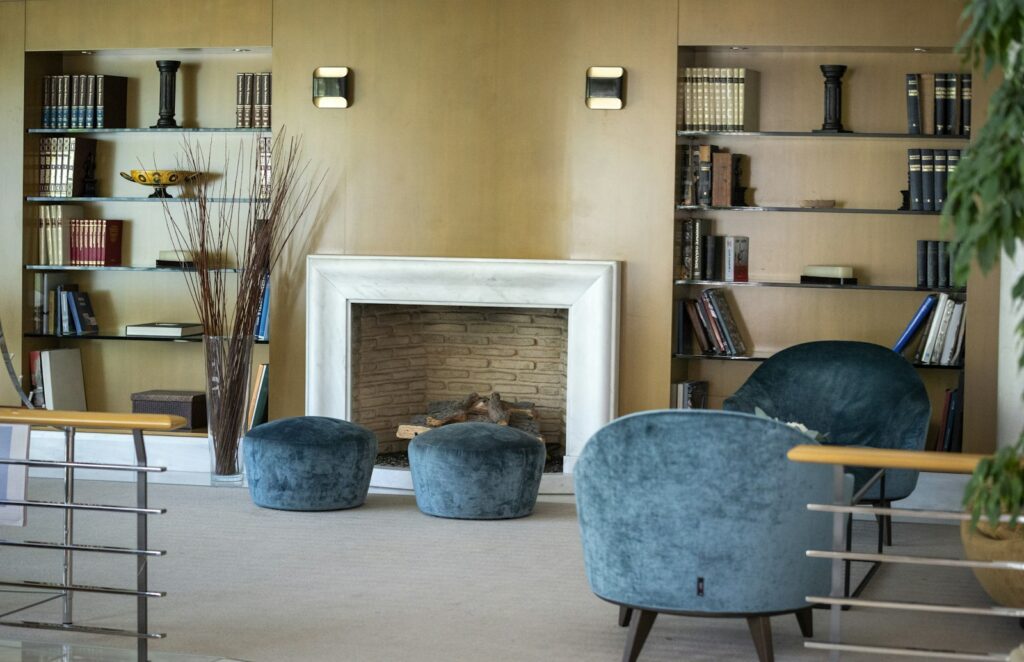
The Best Materials for a Timeless Corridor
A corridor is easy to overlook in a renovation, yet its materials set the tone for every room it connects — here is how to choose ones that endure.
 By Priya Nair
31 August 2026 · 6 min read

Corridors rarely get the design attention given to the rooms they connect, and yet a household passes through them more times a day than almost any other space in the home. That daily, repeated use is precisely why the materials chosen for a corridor matter more than their modest square footage suggests — a hallway finished in something that scuffs, dates or shows every mark becomes a source of quiet frustration within a year, while one built from genuinely durable, well-chosen materials only improves with the wear it inevitably receives.
Wall finishes that age well
Corridors take more incidental contact than almost any other wall surface in a home — shoulders, bags, furniture being moved through on moving day — which makes the choice of wall finish a genuinely practical decision, not just an aesthetic one. Limewash, increasingly popular for exactly this reason, develops a soft, cloud-like texture that hides minor marks better than a flat modern paint, and it can be touched up in patches without the visible seam a standard paint repair often leaves. A painted wainscot or dado rail, historically used in high-traffic areas for precisely this reason, adds a genuinely practical layer of protection at the height most contact actually occurs, while also giving the corridor architectural interest a flat wall alone cannot provide.
For related guidance on adjoining spaces, our piece on the art of the considered hallway covers the broader design language a corridor should extend rather than contradict as it moves through a home.
Flooring: the material under the most stress
No surface in a corridor works harder than the floor, and it is worth resisting the temptation to specify a delicate or high-maintenance material here purely for its appearance. Natural stone — honed limestone or a dense sandstone — offers real longevity and develops a soft patina with foot traffic that many owners come to prefer over its original, more pristine finish. Engineered timber, chosen with a robust enough wear layer, provides warmth underfoot at a lower cost, though it demands more careful protection from grit and moisture than stone. A well-chosen runner rug, laid over either, adds both acoustic softening and a further layer of practical protection to the flooring beneath it.
Runners worth the investment
- Hand-knotted wool, which wears extremely well and can be re-bound or repaired rather than replaced
- Flat-weave natural fibre runners, a lower-cost option well suited to a more casual corridor
- A pattern or weave dense enough to disguise the gradual soiling any high-traffic runner will eventually show
Lighting and its role in perceived quality
A corridor’s materials only read as considered if lit properly — flat, even overhead lighting flattens texture and can make even genuinely good materials look cheap. A run of well-spaced wall sconces or picture lights, positioned to graze the wall surface and highlight its texture, does more to elevate a corridor’s perceived quality than upgrading the wall finish itself. See how to choose the right hallway lighting scheme for guidance on getting this layer right.
“A corridor is a compressed version of the whole house’s material story,” a Singapore-based interior architect told us. “Get it right and it makes every room it connects feel more considered by association.”
Practical durability in a humid, high-traffic home
Singapore’s humidity and the reality of shoes coming on and off near entryways both put particular stress on corridor materials near the front door. A transitional zone of a more forgiving, easily cleaned material — a durable stone or tile — before the corridor proper begins helps protect more delicate materials further into the home from grit, moisture and the wear of daily footwear changes. This small zoning decision, easy to overlook at the planning stage, does real long-term work in protecting the materials chosen for the rest of the corridor.
Bringing it together
A genuinely timeless corridor rarely relies on a single standout material or feature. It is built from a considered combination — a wall finish that ages gracefully, flooring robust enough for constant use, a runner that adds both softness and protection, and lighting that reveals rather than flattens the texture of it all. Where warmth matters as much as longevity, our guide to materials for a warm corridor takes the same combination in a softer direction.
Using the corridor to display, not just connect
Beyond materials chosen purely for durability, a corridor is one of the few places in a home where a household passes slowly enough, repeatedly enough, to actually notice smaller details — a gallery wall, a run of framed prints, a considered arrangement of objects on a console table positioned along the route. Treating the corridor as a space worth curating, rather than simply passing through, extends the material investment already made into something with genuine daily reward. A narrow console table, sized to avoid obstructing the walkway, gives even the tightest corridor a place for this kind of display without compromising its primary function.
Width and proportion considerations
Material choices in a genuinely narrow corridor need to work slightly differently than in a more generous one. Darker, heavily textured wall finishes can make a tight corridor feel even more enclosed, while a lighter limewash or a pale, honed stone floor helps a narrow space read as more open than its actual dimensions. Where width allows, a slightly bolder material choice — a patterned runner, a deeper wall colour — becomes viable precisely because the space has room to absorb it without feeling oppressive. Matching material intensity to the corridor’s actual proportions, rather than applying a single scheme regardless of scale, is a detail worth discussing with a designer before finalising any material palette.
A corridor as an investment, not an afterthought
Because corridors are rarely photographed for a portfolio the way a kitchen or living room is, they are too often the first place a renovation budget gets trimmed, with materials selected purely on cost rather than longevity. Given how frequently a corridor is actually used — every member of the household, multiple times daily, for as long as the home is occupied — this is precisely backwards. A modest increase in material budget for a corridor’s floor and wall finish tends to deliver a disproportionately high return in daily satisfaction compared with the same spend directed toward a room used only occasionally.
For more home design guides, visit Homes & Culture.
Priya tours the homes most people only glimpse from the road, and asks how they are really lived in.