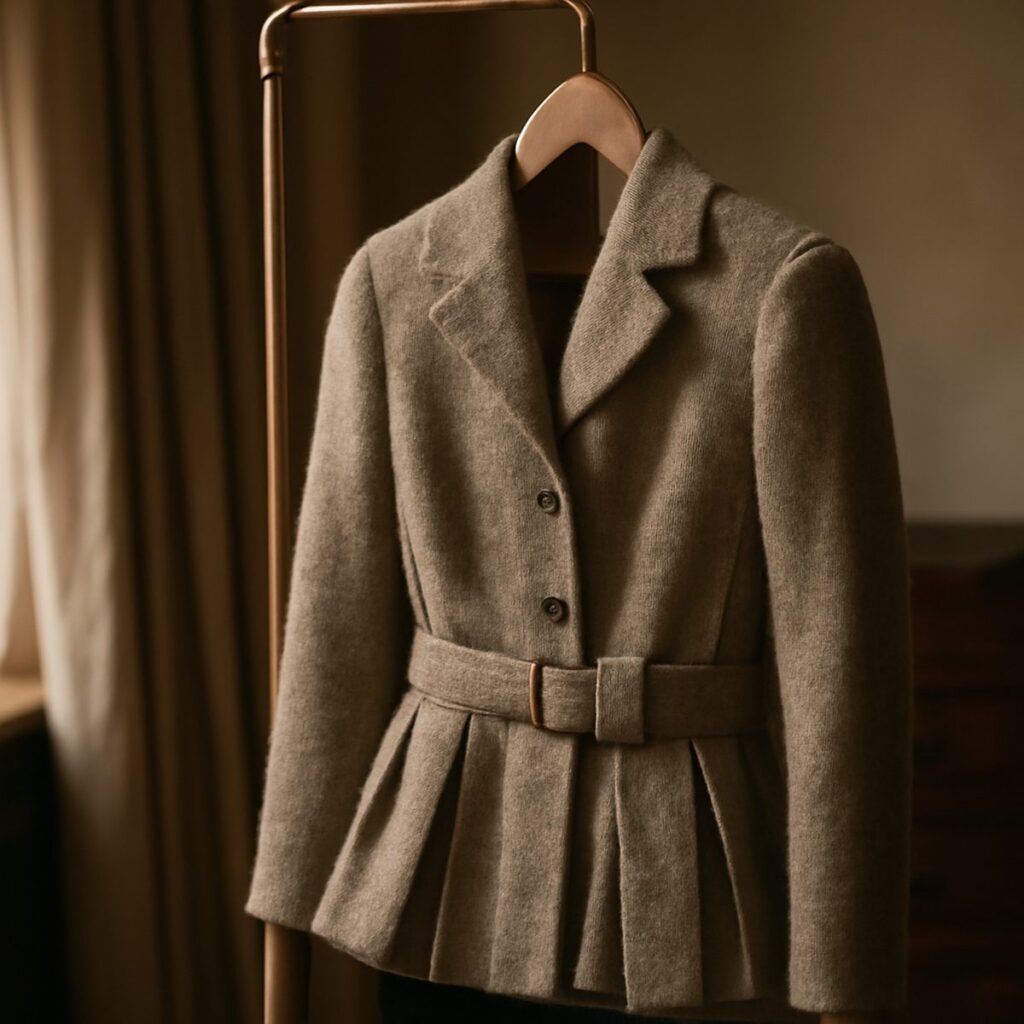
The Best Everyday Sailcloth and Canvas Straps
Sailcloth and canvas straps trade polish for texture and humidity resistance — here is how to choose one that earns its place on your wrist.
 By Daniel Koh
31 August 2026 · 7 min read
By Daniel Koh
31 August 2026 · 7 min read
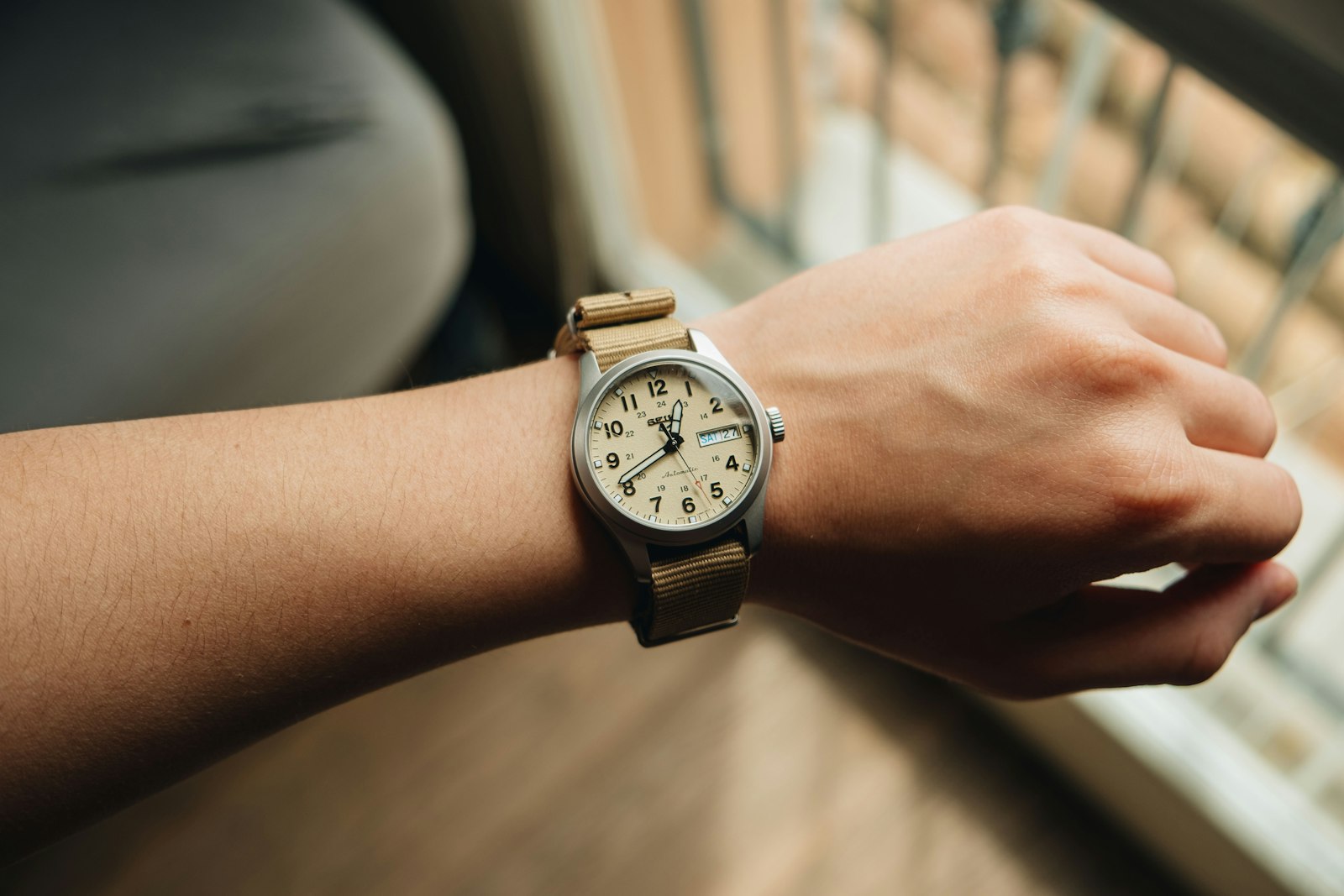
There is a particular kind of watch strap that looks better after a year of wear than it did on day one, and sailcloth is chief among them. Woven from technical yarn or genuine boat-sail offcuts, it belongs to the small family of straps engineered for salt, sweat and sun rather than boardrooms. In Singapore, where humidity is a permanent condition rather than a season, that makes it one of the more sensible everyday choices a collector can own — and one of the least understood.
What “sailcloth” actually means
The term gets used loosely by strap makers, so it is worth separating the two real categories. The first is genuine recycled sailcloth: dense, resin-coated polyester or Dacron once used on racing yachts, laminated to a rubber or leather backing for comfort. It has a faint sheen, a stiffness that softens with wear, and a story attached to it if the maker is honest about provenance. The second is technical canvas — a tighter, more affordable weave designed to mimic the look without the marine pedigree. Both are legitimate. Neither should be confused with plain cotton webbing, which frays and holds moisture in a way that defeats the purpose entirely.
A good test in the shop: press a thumbnail into the weave. Quality sailcloth resists and springs back; cheaper canvas dents and stays dented. The backing matters just as much as the face — rubber-backed straps shed water fastest, while leather-backed versions feel warmer against the skin but need more attention after a swim.
Why it suits the tropics
Leather has a well-known weakness here: it drinks sweat, stiffens, and eventually cracks along the fold nearest the buckle. Sailcloth was built to solve exactly that problem, just for a different climate. Its coated fibres shed water instead of absorbing it, so a strap that goes from a hawker centre lunch to an afternoon downpour to an evening indoors survives all three without complaint. It also dries in minutes rather than days, which matters if you own only one or two straps and rotate them through a humid week. The same humid-weather logic applies to what you carry, as our selection of the best everyday totes and carryalls makes clear.
The trade-off is formality. Sailcloth reads as purposeful and slightly nautical, which suits a field or dive watch beautifully and a dress watch not at all. Matching the strap to the case is the first discipline worth learning — a subject we cover more broadly in the watch strap changes everything, which is worth reading before buying your third or fourth strap rather than your first.
Choosing width, colour and hardware
Lug width is non-negotiable — a strap even half a millimetre too wide will not seat properly, and one too narrow leaves visible gaps at the lugs. Measure with calipers if you can, and if in doubt on a vintage piece, consult our primer on watch straps and lug width before ordering anything custom.
On colour, navy and olive are the two that age gracefully and go with the widest range of dial colours; sand and stone tones look sharp on delivery but show grime faster in a tropical city. Stitching should be contrasting but restrained — a single line of tonal thread rather than a bold accent, which tends to date a strap within a season or two.
Buckles are where sailcloth straps most often disappoint. A stamped, lightweight buckle will flex and eventually loosen; look for a solid, machined pin buckle that matches the case metal, or ask a strap maker to fit one from a reputable hardware supplier. It is a small cost that changes how the whole strap feels on the wrist for years rather than months.
A short buying checklist
- Confirm lug width to the half-millimetre before ordering
- Choose rubber backing for maximum water resistance, leather backing for daily comfort
- Favour navy, olive or faded stone over bright or bleached tones
- Insist on a solid, weighted buckle rather than a stamped one
- Air-dry fully after any swim before storing the watch
Living with the strap day to day
Sailcloth rewards a little discipline. Rinse it in fresh water after a swim in the sea or a pool, let it dry flat away from direct sun, and avoid folding it tightly in a drawer, which can crease the coating over time. Unlike leather, it needs no conditioning oils or creams — in fact, most products marketed for leather will do it more harm than good. A soft brush and the occasional wipe with a damp cloth is all the maintenance it asks for.
Collectors who own several straps often find sailcloth becomes the default rather than the novelty — the one reached for on humid mornings, at the pool, or on a boat, precisely because it asks nothing of you in return. It is a strap built for use rather than admiration, and that quiet practicality is, in the end, its real luxury. For the wider logic of building a considered collection rather than a drawer of impulse buys, see how to build a watch collection with intent.
Sailcloth versus other technical straps
It is worth placing sailcloth alongside its nearest competitors, because the choice between them is rarely obvious until you have worn each for a season. Rubber straps offer the best raw water resistance and require essentially no maintenance, but they lack sailcloth’s texture and can feel clinical on a watch with any vintage character. FKM rubber in particular has closed much of the comfort gap, yet it still reads as sportier than most offices want. Perlon and other woven textile straps, by contrast, dry even faster than sailcloth and cost a fraction of the price, but they rarely match its structure or its slightly dressier presence — a comparison worth exploring in our wider strap coverage. Sailcloth sits deliberately between the two worlds: sturdier and more considered than a woven textile band, cooler and more casual than rubber, and — for a field or dive watch worn daily in a humid city — arguably the most balanced of the three.
A note on cost and provenance
Prices for a well-made sailcloth strap vary considerably, and the gap is rarely about the raw material alone. Genuine recycled sail fabric, hand-finished with a proper edge and a substantial buckle, commands a premium over technical canvas that merely imitates the look — often two to three times the price for what appears, at a glance, to be a similar product. That premium buys better weave density, a backing less prone to peeling at the edges after repeated soakings, and, for those who care about it, a more honest story behind the material. For most everyday wearers, a well-made technical canvas strap from a reputable maker performs almost as well at a more accessible price; the genuine article becomes worth chasing once you already own two or three straps and know precisely how you use them. Either way, buying from a maker who can explain their weave and backing in specific terms — rather than simply calling everything “sailcloth” — is the surest sign the strap will hold up to the climate it is being bought for.
“I stopped thinking of it as a summer strap and started thinking of it as the strap that lets the watch keep up with my life,” one Singapore-based collector told us, describing a decade-old sailcloth band that has outlasted three leather replacements.
Where it fits in a considered wardrobe
Think of sailcloth as one register in a small vocabulary of straps rather than a permanent substitute for leather or metal. A field or dive watch on sailcloth carries you through the working week and the weekend equally well; the same case on a leather strap, discussed in our guide to the best everyday leather watch straps, shifts the same piece toward evenings and air-conditioned rooms. Owning both and knowing when to reach for each is the real skill — not owning either exclusively. For more of our thinking on watches, straps and the accessories that support a considered collection, visit Style & Watches.
Daniel has spent fifteen years arguing that the best watch is the one you never take off.